5 Useful Properties Of Quail Eggs
 Author: Victoria Aly
Time for reading: ~2
minutes
Last Updated:
August 08, 2022
Author: Victoria Aly
Time for reading: ~2
minutes
Last Updated:
August 08, 2022
CHAPTERS (Table Of Contents)
Quail eggs help against spring allergies and asthma, but have too much cholesterol.
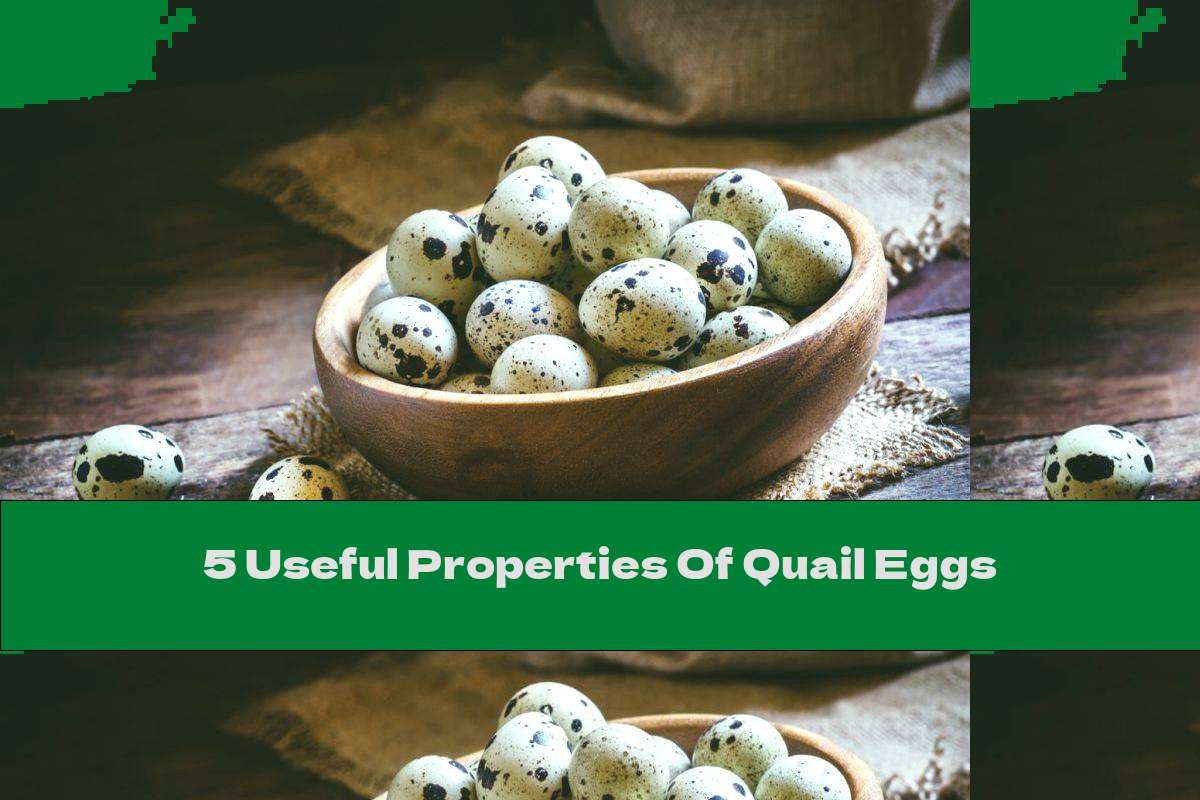
The notion that the most important things are often hidden in a small package applies in full force to quail eggs with their beneficial properties. About 5 times smaller than hens, quail eggs contain vitamins, micro- and macronutrients in much higher concentrations. In addition, they are very rich in bioactive substances that alleviate the manifestations of allergic rhinitis and asthma - two of the most common health problems in the allergy season .
High content of vitamins and minerals
Quail eggs contain a wide variety of fat-soluble and water-soluble vitamins. The content of vitamins A, D and E is the highest, and the representatives of the group of vitamin B-complex are represented almost entirely - B1, B2, B3, B4, B6, B9 and B12 are present in high concentrations in the yolk of the quail egg. Impressive variety for such small eggs and proof that the neglect of quail eggs is completely unfounded. Even more impressive is the variety of micro- and macroelements in quail eggs. Iron, magnesium, phosphorus, sodium, potassium, zinc, calcium and others are present.
Beneficial effect on the skin
High content of the amino acid lysine is found in the protein of the quail egg . It is key to the activity of enzyme complexes involved in the production of collagen for the skin. Lysine is an essential amino acid. The body cannot produce it on its own, and obtaining it in the required quantities must be done entirely with food. Quail eggs are among the richest food sources of lysine.
Good for the eyes
The content of vitamin A in quail eggs is extremely high in terms of weight and size. Several of them can provide us with all the necessary amount of the important vitamin for the day. Chronic vitamin A deficiency is a major cause of various visual impairments at any age. The role of the vitamin for good vision is to nourish the cornea, maintain the natural hydration of the eyes and provide raw material for the production of eye pigments.
Support brain function
Quail eggs are among the few foods naturally rich in vitamin B4 - choline. It is associated with brain function and is considered very important for good memory. The constant supply of the necessary amounts of choline is an important step for maintaining brain activity and prevention of neurodegenerative processes.
Relieving the symptoms of allergic rhinitis and asthma
One of the main reactions of the immune system, which triggers the allergic reaction, is the release of a large amount of protease enzymes from the immune cells after allergens enter the body. This reaction aims at the faster destruction of allergens - in most cases these are protein products, and proteases work to neutralize them. The high amount of released proteases triggers the typical allergic reaction symptoms observed in people with rhinitis, asthma and others. diseases. Quail eggs contain substances that inhibit the production of protease enzymes and alleviate the symptoms of allergies.
The main disadvantage of quail eggs is the high cholesterol content. It is estimated that only one quail egg contains almost half the amount of cholesterol present in several times the size of a hen's egg. Therefore, in people who strictly follow the intake of cholesterol, quail eggs are not a suitable food for daily consumption.
Related Articles
- The Role of Sodium Methyl Para-Hydroxybenzoate in Nutrition: Preservative Properties & Health Concerns
- The Role of Functional Properties in Muffins: Nutrition, Diets, and Recipes
- The Functional Properties of Muffins in Nutrition: A Comprehensive Guide
- Nutritional Benefits of Functional Properties in Muffins: A Comprehensive Guide
- Functional Properties of Muffins in Nutrition: A Complete Guide