Alkaline Diet - For Weight Loss And Health
 Author: Alexander Bruni
Time for reading: ~2
minutes
Last Updated:
August 08, 2022
Author: Alexander Bruni
Time for reading: ~2
minutes
Last Updated:
August 08, 2022
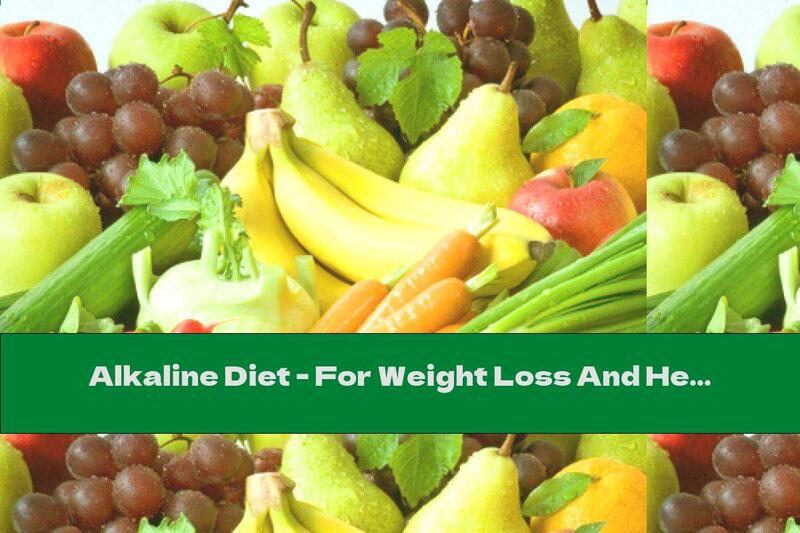
In this article, learn more about Alkaline Diet - For Weight Loss And Health. What is the pH of the systems in our body and is it influenced by the diet?.
The alkaline diet is mostly vegetarian, with rare and limited intake of meat, fish, dairy products, white sugar, caffeine and other foods that increase the acidity in our body. Is it possible to maintain an optimal pH balance with an alkaline diet and what can this bring?
pH is a measure of the acidity or alkalinity (basicity) of a system. A pH of 0 is a completely acidic medium, a pH of 14 is a completely basic medium, and a pH of 7 is a neutral value.
The environment in the human body does not have the same pH - its value varies according to the system that is observed. In the stomach the acidity is very high - between pH 1.35 and pH 3.5, while in the blood the pH is between 7.35 and 7.45.
The theory of the alkaline diet is that by consuming certain foods, ideal acidity can be maintained in all organs and systems. However, this is not possible because the body has certain systems in which the pH is regulated independently of the diet. For example, diet can change the pH of urine, but not blood.
This does not make the diet harmful or useless, on the contrary - it has its advantages. First of all - it is healthy, consists mainly of fruits and vegetables, avoiding processed foods, alcohol, caffeine, drink plenty of water.
Diets that include a lot of protein of animal origin can lower the pH of urine and cause the formation of kidney stones. The alkaline diet is poor in animal products, which can benefit people with chronic kidney problems - their food will not create a risk of such crises.
Clinical studies prove without a doubt that people who eat mainly fruits and vegetables are optimally hydrated, which significantly reduces the risk of a number of diseases - neurodegenerative, cancerous and cardiovascular.
The only risk of dieting is for diabetics - with seasonal changes in the quality and variety of fruits and vegetables, it sometimes becomes difficult to monitor blood sugar and a much stricter diet must be followed.
However, the benefits are for all who try it: improved digestion and relief from bloated stomach; fresher skin tone; increased energy levels; improvement in memory and concentration; suppressing the cravings for alcohol, cigarettes, coffee, jam and some stimulants.
There are many plans for alkaline diets, freely available on the Internet, but the basic principle in them is one: a balance of alkaline and acid-causing foods. If chicken is consumed, for example, it should be no more than 20% of the dish, the remaining 80% are fruits, vegetables, seeds, nuts and more. It's also a great way to eat healthy without completely giving up your favorite foods.
Combinations in the ratio 20:80 can be performed with both groups of foods - acid-increasing ( acidic ) and acid-lowering ( alkaline , basic).
Acid-enhancing foods include, but are not limited to: red and chicken; processed cereals, poor in nutrients and rich in sugar and salt; commercial pastries, biscuits, cakes and breads containing yeast, white flour, salt, sugar and preservatives - each of which is an acid promoter; cola, carbonated soft drinks and alcohol; tea, coffee, chocolate.
Acid-lowering (alkaline) foods are: lemon, lime and grapefruit; apricot, peach and fig; tomato, apple, pear, mango, papaya, avocado; asparagus, dill, chervil, cauliflower; onions, garlic, ginger, beets; sunflower, pumpkin and sesame seeds and oils; almonds, walnuts; oats, brown rice, millet, buckwheat; coconut and coconut water.
Related Articles
- The Power of Honeysuckle: Health Benefits and Recipes
- The Ultimate Guide to Hickory Smoked Bacon in Nutrition and Healthy Eating
- Nutritional Benefits of Fruit Skewers in Honey Syrup: A Delicious and Healthy Recipe
- Nutritional Benefits of Fruit Skewers in Honey Syrup: A Healthy and Delicious Snack
- Nutrition for Respiratory Health: Supporting Your Lungs with the Right Foods
Top Nutrition Articles Today
- . Health Benefits And Harms Of Cocoa, How To Drink, Recipes
- . Steak Label
- . The Nutritional Benefits of Yellow Maize: A Versatile Grain...
- . Nutrition By Blood Type: Table Of Allowed And Prohibited Foo...
- . Herbs for Fibroids: Natural Remedies and Recipes for Fibroid...
- . Subway Footlong Calories Chicken
- . Nutrition For Edema: Diagnosis Of The Body And The Preparati...
- . The Ultimate Guide to Hickory Smoked Bacon in Nutrition and...
- . List of Foods that Contain Carrageenan: A Guide to Avoiding...
- . Persimmons - Benefits And Harms To Health