Apricot Kernel Oil
 Author: Marko Balašević
Time for reading: ~4
minutes
Last Updated:
August 08, 2022
Author: Marko Balašević
Time for reading: ~4
minutes
Last Updated:
August 08, 2022
CHAPTERS (Table Of Contents)
In this article, learn more about Apricot Kernel Oil. Apricot kernel oil.
For the first time, apricot kernel oil is mentioned in Chinese records 3000 BC. BC. There is evidence that as early as the 1st century AD. Europeans knew about its beneficial properties.
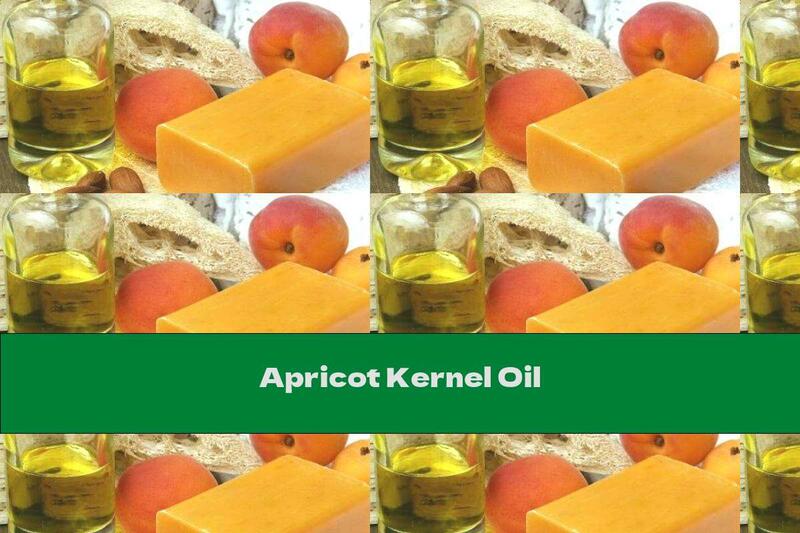
Apricot kernel oil is obtained by cold pressing the stones. The product is characterized by a clear light yellow color and a very pleasant aroma. Its consistency is liquid and slightly viscous. It is similar in composition to almond and peach oils.
Natural apricot kernel oil must be sold in a dark glass container and the Latin name of the plant used for its production, Prunus armeniaca, must appear on the packaging. The oil should be stored in a cool, dark place and tightly closed. With proper storage, its shelf life is from 6 to 12 months. Sunlight is detrimental to the oil, as its useful properties will be lost.
Apricot kernel oil is considered a useful product and has virtually no contraindications. Restores the proper functioning of the stomach and intestines, fights colds and restores strength.
Use in cooking
Apricot oil is used as a flavoring in the preparation of liqueurs, some dishes and salads. It is most widely used in Italian cuisine. Due to its high price, the oil is used only as a flavoring and less often for cooking.
Composition, useful and healing properties
Apricot kernel oil is based on mono- and polyunsaturated fatty acids. Oleic (60%) and linolenic (30%) fatty acids predominate. They have antioxidant properties that protect cells inside and out from toxic effects.
The mineral composition of the oil is represented by potassium and magnesium salts, which keep the skin hydrated and stimulate cellular metabolism.
The oil is rich in vitamins , which are especially necessary for aging and tired skin.
- Vitamin A, which is contained in the oil, is able to normalize the production of sebum (secretion secreted by the sebaceous glands), soothes the skin and has a positive effect, especially in skin prone to rash.
- B vitamins help to improve the complexion and also protect the skin from various external influences.
- Vitamin C is not only a powerful antioxidant, but also a stimulator of natural collagen production.
- With the participation of vitamin F, which is contained in the oil, fat and oxygen cellular metabolism takes place. In addition, the vitamin soothes the skin, fights rashes, flaking and dryness, protects from sunlight and the effects of some household products. The substance is indispensable for hair and scalp. Eliminates the unpleasant feeling of tightness and can prevent dandruff.
Apricot kernel oil was originally used to treat tumors and ulcers. Doctors in the East treated hemorrhoids and pain in the ears and nose. It is they who, while using the oil, have discovered its other useful properties. Some of them are that it is used as a moisturizer for the skin, making it soft and smooth, and also to reduce and eliminate inflammatory processes in the skin. In 16th century England, the value of apricot kernel oil was comparable to the value of gold.
The oil helps to heal skin cracks, abrasions, cuts and burns. Pharmacists use it as a solvent for certain drugs that are administered subcutaneously or intramuscularly, as well as for the preparation of various ointments. For joint and back pain, it is recommended to use apricot kernel oil with 2 drops of lavender oil and sandalwood oil. It is rubbed on the site of pain daily for 10 days. To relieve heartburn, mix 2 drops of mint and lemon oil with 15 milligrams of apricot kernel oil and rub the area of the solar plexus with the combination.
Use in cosmetics
Apricot oil does not cause allergies and is not toxic for use in cosmetics. With regular use, it normalizes fat metabolism, giving the skin elasticity and an even complexion.
This oil is used in pure form or in combination with other oils, depending on the problems and the desired result. It is often combined in a ratio of 1: 1 with avocado oil, jojoba, wheat germ or a few drops of various essential oils. It should be applied on clean skin. Due to its many proven beneficial properties, the oil is also used in baby skin care.
The product helps to synthesize collagen and elastin fibers, which makes it an excellent means of preventing aging.
Apricot oil is widely used as a mask to remove skin pigmentation and relieve fatigue, but can also be used for regular daily use. Before sun exposure, it is appropriate to lubricate the body with fat, thus preventing the negative effects of UV rays.
The oil is also used to cleanse the skin. To do this, soak a cotton ball in warm water and squeeze it lightly, then add a few drops of apricot kernel oil and cleanse the face. It can be used as a body massage oil or for anti-cellulite massage, for which you need to mix in exact sequence 3 drops of lemon oil, 4 drops of dill and rosemary or juniper, 3 drops of geranium and grapefruit and about 1 and 1/2 tablespoon apricot kernel oil.
You can add 10-20 drops of apricot kernel oil to the conditioner or hair mask you use, or you can simply apply it to your hair while bathing. Washes off easily with warm water. With regular use, the dry tips of the hair will be restored and it will become softer.
Contraindications
The oil can harm people who suffer from allergies, so they should not use it as it will worsen their condition. If apricot kernel oil is consumed regularly with other products, such as honey, then the calories consumed will also increase, and this can lead to the accumulation of extra pounds. Therefore, it should be consumed in reasonable quantities, because 100 grams of butter contains 100 grams of fat and 884 calories.
Related Articles
- The Nutritional Benefits of Apricot Jam: A Healthy Addition to Your Diet
- Nutritional Benefits of Apricot Jam: A Healthy Addition to Your Diet
- The Health Benefits of Apricot Jam: A Nutritious Addition to Your Diet
- The Nutritional Benefits of Apricot Jam: A Healthy Addition to Your Diet
- The Nutritional Benefits of Apricot Jam: A Healthy and Delicious Choice
Top Nutrition Articles Today
- . The Relationship Between The Liver And Hemoglobin: We Unders...
- . List of Foods that Contain Carrageenan: A Guide to Avoiding...
- . High Lycopene Tomatoes
- . Persimmons - Benefits And Harms To Health
- . Subway Footlong Calories Chicken
- . Foods High In Folate And B12
- . The Ultimate Guide to Bugs in Nutrition: Benefits, Types, an...
- . Chicory: 15 Health Benefits, How To Drink, Contraindications...
- . Herbs for Fibroids: Natural Remedies and Recipes for Fibroid...
- . The Role of Heavy Cream in Nutrition: Benefits, Drawbacks, a...