Are High-protein Diets Detrimental To Health?
 Author: Alexander Bruni
Time for reading: ~2
minutes
Last Updated:
August 08, 2022
Author: Alexander Bruni
Time for reading: ~2
minutes
Last Updated:
August 08, 2022
CHAPTERS (Table Of Contents)
High-protein diets can increase the risk of cardiovascular problems by nearly 50%, research shows
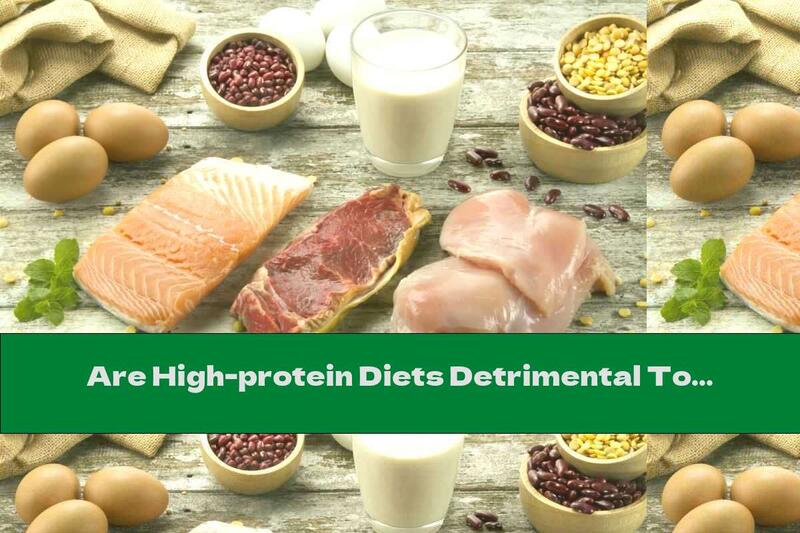
Many diets aimed at weight loss include mostly protein . Some of the most common diets are based on eating chicken breast or steak. These products are low in fat and carbohydrates, but are a rich source of protein. They help to lose weight quickly without feeling hungry.
For most healthy people, this type of diet would not be harmful if used wisely. If the diet we follow is based on a reduced amount of carbohydrates and an increased amount of protein, this can be a cause of health problems.
A study conducted in Finland, involving 2,500 middle-aged men and women, showed that a high-protein diet can impair heart function by reducing its pumping function and increasing the risk of heart attack. A study conducted last year reported 334 cases of heart attack . 70% of patients consumed protein of animal origin, 27.7% of vegetable. It is generally believed that meat and in particular processed red meat in sausages, bacon, etc. increase the risk of heart problems.
Increased protein consumption, regardless of the source, is associated with a high heart risk. Fish and eggs are the only proteins that do not have this effect. However, there are studies that claim that taking amino acids (the building blocks of proteins) as a dietary supplement can protect the heart from vascular accidents.
Most people find that eating protein is healthy and beneficial. But the results do not confirm the generally accepted norm. Another study linked high protein in the diet to triggering type 2 diabetes .
A high- protein diet can impair kidney function in people with disease. The reason is that the body finds it difficult to process the residual products of protein metabolism.
The main mistakes that are made when following diets is increasing the proportion of protein. A ketogenic diet, for example, limits carbohydrate intake. Compensatory increases the proportion of protein, which is wrong, but also proves to be health risks.
If you want to follow a high protein diet. Choose proteins wisely. Good choices include soy protein, beans, eggs, fish. Prefer vegetable over animal protein. In this case, it is necessary to choose the carbohydrates consumed wisely. Eliminate processed sugars and focus on high-fiber carbohydrates - whole grains, fruits and vegetables.
How much protein should we consume?
There is still no exact answer to this question. The recommended amount of protein or the amount needed by the body to function normally is about 0.8 grams per kilogram of body weight. Electronic calculators can be found online, with which you can easily calculate the required dose of protein for your body.
Studies conducted by the American Heart Association recommend a variety of protein sources. Well balanced
diet of fruits, vegetables, whole grains, dairy products, fish, legumes, vegetable oils and nuts. This organization also recommends limiting sweets, red meat and sweetened beverages - juices and carbonated.
These studies on the adverse effects of protein on our body are still insufficient for a clear and concrete conclusion. However, if you are prone to heart or kidney problems, be careful with the amount of protein you consume.
Related Articles
- The Ultimate Guide to Carbs in Nutrition: Types, Diets, and Recipes
- The Power of Thiamine: Importance, Sources, Deficiency, and Diets
- The Role of Yeast in Nutrition: Benefits, Diets, and Recipes
- Nutrition in 2025: Trends, Innovations, and Personalized Diets
- The Role of Meat in Nutrition: Types, Diets, and Cooking Methods
Top Nutrition Articles Today
- . 7 Foods That Stimulate The Release Of Serotonin And Dopamine
- . The Ultimate Guide to Metataric Acid in Nutrition: Sources,...
- . The Truth About Potato Chips: Health Effects and Alternative...
- . Sardines - Good For Bones
- . The Ultimate Guide to Bolay Nutrition Calories: Balancing, M...
- . How To Cook Spicy Green Tea With Turmeric, Lemon Juice And G...
- . The Essential Guide to Nutrients in Nutrition: Importance an...
- . Understanding Emulsifier E471: Functions, Health Concerns, a...
- . How To Deal With Cancer Overweight
- . The Health Benefits of 100% Dark Chocolate: A Complete Guide