Aronia - Benefits And Contraindications
 Author: Ivan Red Jr.
Time for reading: ~2
minutes
Last Updated:
January 27, 2026
Author: Ivan Red Jr.
Time for reading: ~2
minutes
Last Updated:
January 27, 2026
CHAPTERS (Table Of Contents)
Aronia has many health benefits and is known to significantly strengthen the immune system.
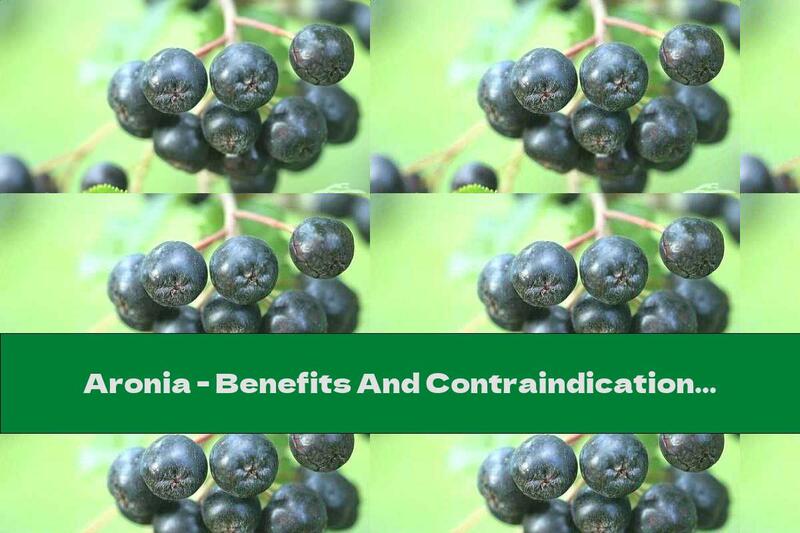
The fruits of chokeberry have a pleasant sour-sweet and tart taste. They can be consumed alone or added to various pastries, jams, juices, even taken in the form of tea.
Aronia has many health benefits and is known to significantly strengthen the immune system. Of course, this is due to its rich composition, which we are about to consider. We will also look at the health benefits of chokeberry consumption, as well as the cases in which its use is contraindicated and could harm the body.
Composition of chokeberry
Aronia is rich in nutrients, its wide application in medicine. Contains a rich natural complex of vitamins (P, C, E, K, B1, B2, B6, beta-carotene), macro- and microelements (boron, iron, manganese, copper, molybdenum, fluorine), sugars (glucose, sucrose, fructose), pectin and tannins. For example, chokeberry fruit contains 3 times more vitamin P than blackcurrants, and 20 times more than oranges and apples. And the iodine content is 4 times higher than in strawberries, gooseberries and raspberries.
Health benefits
Aronia is rich in antioxidants that protect cells from damage caused by free radicals. Chokeberry fruit is a great source of polyphenols. Fruit consumption significantly reduces oxidative stress and fights inflammation. Significantly reduces the growth of bacteria and some cancer cells.
The contained pectin substances contribute to the excretion of heavy metals and radioactive substances from the body, free from various types of pathological microorganisms. Pectins normalize the functioning of the stomach, eliminate spasms. The high content of vitamin P and its combination with ascorbic acid helps reduce the fragility and permeability of capillaries.
Another useful quality is the normalization of blood pressure and lowering blood cholesterol. The fruits are prescribed for various disorders related to blood clotting, bleeding, rheumatism, atherosclerosis, diabetes and various allergic diseases.
Recent studies show that chokeberry improves liver function, and its regular consumption increases immunity and has a beneficial effect on the endocrine system.
The intake of fruits stimulates the secretion of bile and the activity of bile enzymes, so they are useful in gastritis with insufficient secretory function. They are useful in redox processes.
Aronia is characterized by vasodilating action, which is useful not only in high blood pressure, but also in the treatment of atherosclerosis.
The glycoside amygdalin has been found in the composition of chokeberry, which combines well with vitamin D, which in turn accelerates the treatment of diseases of the cardiovascular and nervous systems, as well as the digestive organs.
Iodine in chokeberry is useful in thyroid problems associated with element deficiency, as well as in radiation sickness.
Culinary use
The fruits of chokeberry are dried, frozen, they are used to make jam, compotes, marmalades, and the juice - a food coloring, which is used in confectionery.
The small fruits are also used to prepare infusions, wine and infusions, which preserve many of the useful characteristics of the plant.
Contraindications:
Unfortunately, in some diseases, chokeberry can be contraindicated. Not recommended for ulcers of the stomach and duodenum, gastritis, frequent constipation, hypotension, increased blood clotting, thrombophlebitis.
Excessive consumption of chokeberry can adversely affect blood clotting and is a prerequisite for the formation of blood clots. This is due to the large amount of ascorbic acid in the composition of the fruit
Related Articles
- The Power of Honeysuckle: Health Benefits and Recipes
- Fruitskewers in Honey Syrup: Nutritional Benefits and Recipes
- The Ultimate Guide to Buffer 500 in Nutrition: Benefits and Usage
- Nutritional Benefits of Fruit Skewers in Honey Syrup: A Delicious and Healthy Recipe
- Nutrition Guide: Fruitskewers in Honey Syrup - Benefits, Recipes, and More
Top Nutrition Articles Today
- . Breakfast Pizza
- . Night Nutrition: Importance, Benefits, and Best Foods to Eat
- . The Ultimate Guide to Metataric Acid in Nutrition: Sources,...
- . Calories In A Piece Of Bread
- . Health Benefits Of Vitamin C
- . Sushi For Beginners. How Easy It Is To Spin Sushi Rolls
- . How To Cook Spicy Green Tea With Turmeric, Lemon Juice And G...
- . The Essential Guide to Nutrients in Nutrition: Importance an...
- . When Is It Better To Eat Fruit?
- . How To Cook Mini Sandwiches With Cherry Filling - Recipe