Benefits And Harms Of Red Onions
 Author: Ivan Red Jr.
Time for reading: ~2
minutes
Last Updated:
August 08, 2022
Author: Ivan Red Jr.
Time for reading: ~2
minutes
Last Updated:
August 08, 2022
CHAPTERS (Table Of Contents)
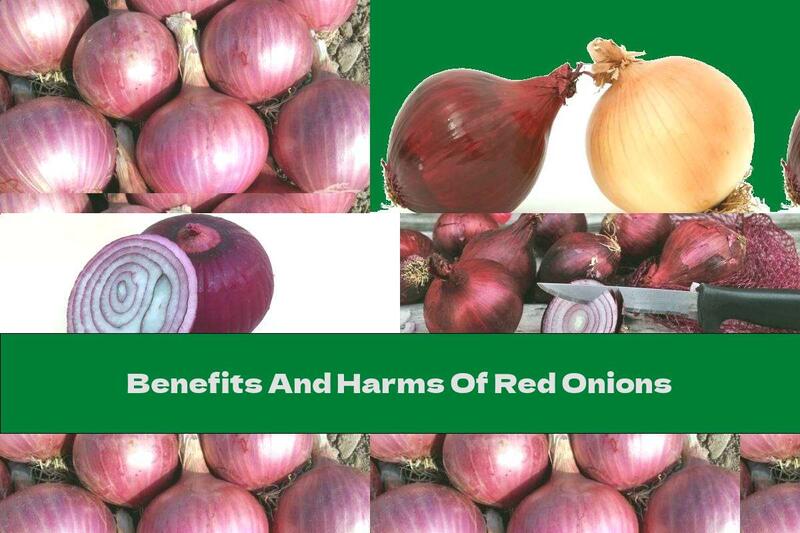
Compared to all types of onions, red onions contain the most flavonoids, anthocyanins, powerful ingredients important for human health. Has greater antioxidant activity. It is a low-calorie vegetable, rich in fiber.
All types of onions contain flavonoids, anthocyanins, powerful ingredients important for human health. Red onions contain the most and antioxidant activity is greater. In addition, it is considered a low-glycemic food because it contains more fiber and fiber and fewer carbohydrates.
Nutritional composition of red onions
Onions contain anthocyanins, which fight free radicals and cleanse the body of diseases. They are compounds from which fruits and vegetables turn purple and blue. They are also found in purple grapes, blueberries, red cabbage and others. In addition to these ingredients, vegetables are rich in allicin - an antibacterial, antifungal compound characterized by a powerful antioxidant effect. It supports blood circulation, has a beneficial effect on blood pressure, regulates heart function.
Vegetables are rich in chromium, which in turn is essential for insulin activity in metabolism. Lack of the mineral in the body could lead to insulin resistance and increase the risk of coronary heart disease. Another nutrient contained in red onions is vitamin C. It promotes collagen production and has antioxidant properties. Red onions are recommended for consumption raw or after light heat treatment.
Red onion is a rich source of the flavonoid antioxidant quercetin and the polyphenolic antioxidant anthocyanin. They prevent the oxidation of cellular fatty acids. They have a very strong effect on free radical scavenging, neutralizing the growth of cancer cells and drastically reducing inflammation throughout the body.
Useful and healing properties of red onions
It is characterized by antiproliferative activity (antitumor), and the flavonoids - quercetin, myricetin and campherol exert potential anticancer effects. The ingredients in vegetables help reduce heart disease and its consumption is recommended against diabetes, high blood pressure, atherosclerosis, as it provides 25% of the flavonoids we need daily.
In combination with other ingredients, red onion prevents and controls the formation of intestinal polyps, inhibits rhinoviruses, the causes of common colds and flu, helps treat skin irritations, slows down the replication of viruses that cause herpes, controls glucose levels.
Culinary use and storage of red onions
It is widely used in cooking because of its taste and health benefits. It is ideal as an addition to salads, appetizers, sauces and main dishes. It is also used for cosmetic purposes as the main ingredient for the preparation of nourishing hair masks, creams and others. Combine with vegetables of your choice and take advantage of the valuable benefits of red onions.
Adding onions to soups or broths will harm some of the anthocyanins, but not quercetin. Quercetin is transferred to the soup or broth. The lower the temperature is cooked, the more nutrients will be contained in the soup. Studies have found that eating 2-3 onions each week is associated with great benefits in the prevention of cancer of the colon, oral cavity, esophagus, larynx and ovaries.
Red onions should be stored in a cool, dry and ventilated place. It should not be stored in a refrigerator or plastic bag until peeled, as storage in these two ways has been shown to accelerate spoilage. Avoid using damp, soft, bruised, dark-spotted or moldy onions.
Harm and contraindications to red onions
Eating onions can cause discomfort in some people. Carbohydrates in vegetables can cause gas and bloat. Onions, especially if eaten raw, can worsen heartburn in people who suffer from chronic heartburn or stomach reflux.
There are rare cases of people with food intolerance or allergy to onions. The side effects of a vegetable allergy are red and inflamed eyes, and rashes can occur when the onion comes in contact with the skin. People suffering from intolerance to onions may experience stomach discomfort, such as nausea, vomiting or others.
Related Articles
- The Power of Honeysuckle: Health Benefits and Recipes
- Fruitskewers in Honey Syrup: Nutritional Benefits and Recipes
- The Ultimate Guide to Buffer 500 in Nutrition: Benefits and Usage
- Nutritional Benefits of Fruit Skewers in Honey Syrup: A Delicious and Healthy Recipe
- Nutrition Guide: Fruitskewers in Honey Syrup - Benefits, Recipes, and More