Berries Protect Against Parkinson's Disease
 Author: Ivan Red Jr.
Time for reading: ~1
minutes
Last Updated:
August 08, 2022
Author: Ivan Red Jr.
Time for reading: ~1
minutes
Last Updated:
August 08, 2022
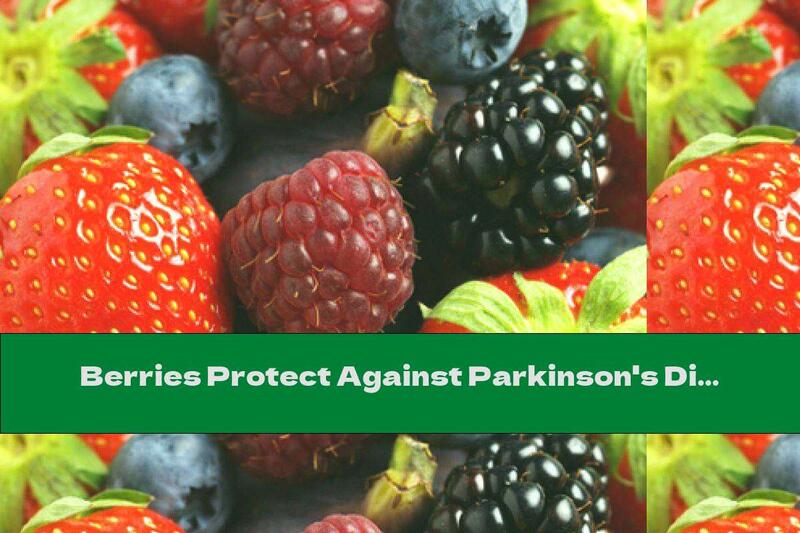
In this article, learn more about Berries Protect Against Parkinson's Disease. Eating fruit once a week reduces the risk of Parkinson's disease by 25%..
Consumption of berries every week can reduce the risk of developing Parkinson's by 1/4.
A study found that people whose diets were rich in flavonoids found in berries, apples, tea and red wine were less at risk for neurodegenerative disease than those who consumed them infrequently.
Researchers at Harvard University and the University of East Anglia have tracked 130,000 men and women for 20 years. During this period, 800 of them developed Parkinson's disease.
After analyzing factors related to lifestyle, diet and others, the researchers concluded that participants who consumed the most flavonoids were 40% less at risk of developing Parkinson's than those who consumed the least.
Participants who ate berries at least once a week had a 25% lower risk of the disease.
Flavonoids are thought to have a protective effect against damage associated with aging, reducing the risk of heart disease, high blood pressure and some cancers.
This is the first human study to show that flavonoids can also protect brain cells. According to the scientists, anthocyanins, a subclass of flavonoids, have a neuroprotective effect.
However, scientists note that the results need to be confirmed by other major epidemiological studies and clinical trials.
The study was conducted in the journal Neurology .
Related Articles
- Nutrition Guide: Diet for Fatty Liver and Alcohol-Induced Liver Disease
- The Nutritional Benefits of Strawberries Jam: A Delicious and Healthy Addition to Your Diet
- Nutrition Berries Jam: Benefits, Recipes, and More
- Nutritional Benefits of Strawberries and Jam: A Complete Guide
- The Nutritional Benefits of Strawberries Jam: A Delicious Addition to Your Diet
Top Nutrition Articles Today
- . The Complete Guide to E120i in Nutrition: Origin, Health Con...
- . The Complete Guide to E150a: Safety, Health Effects, and Alt...
- . How To Cook Beets So That They Do Not Lose Color
- . The Health Benefits of Nori: A Nutritious Seaweed for Thyroi...
- . List of Foods that Contain Carrageenan: A Guide to Avoiding...
- . The Truth About Disodium Inosinate: Uses, Safety, and Altern...
- . The Nutritional Benefits of Raisins for Brain Health
- . The Ultimate Guide to Emulsifier E481 in Nutrition and Cooki...
- . Camel Meat
- . The Complete Guide to the Seventh-day Adventist Diet: Benefi...