Blackberry - Health Benefits
 Author: Alexander Bruni
Time for reading: ~2
minutes
Last Updated:
August 08, 2022
Author: Alexander Bruni
Time for reading: ~2
minutes
Last Updated:
August 08, 2022
CHAPTERS (Table Of Contents)
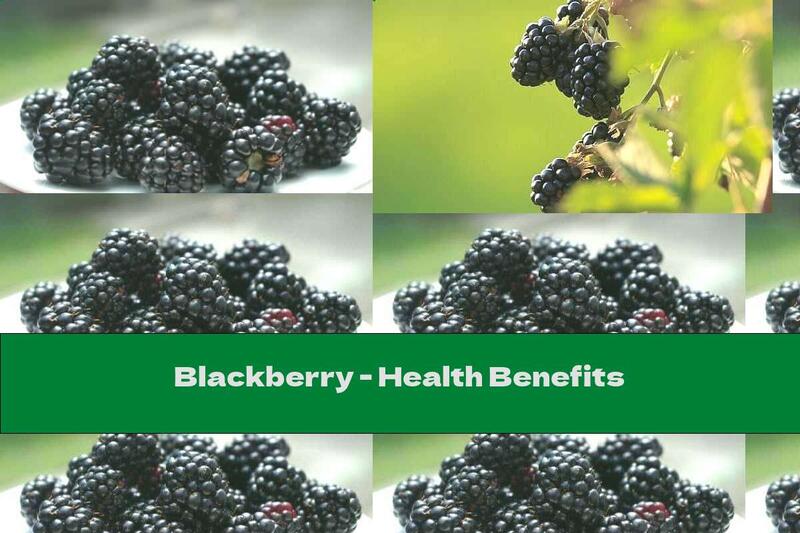
Blackberries have many useful and healing properties. It is full of antioxidants, which are one of the main reasons for the benefits of blackberries.
Blackberries have a pleasant sweet (or sour-sweet) taste. The fruit itself is juicy and very fragrant. It produces aromatic honey, which is extremely useful.
Composition of blackberries
The content of nutrients in the baths is very high: ascorbic acid, fructose, sucrose, glucose, thiamine, carotene. The amount of group P vitamins in small fruits is greater than in raspberries. It contains not only important pectins and bioflavonoids, but also organic acids: citric, tartaric, salicylic, malic, as well as tocopherol and nicotinic acid. Blackberries are also rich in minerals: manganese, copper, potassium, phosphorus, magnesium. In addition to vitamin P, this berry also contains vitamins A, B1, B2, E, C and PP, as well as iron and tannins.
Due to its useful ingredients, blackberries are used for medicinal purposes. Modern laboratory research shows that regular consumption of foods containing fruit can stop the development of cancer cells. These studies confirm that blackberries have protective properties several times higher than those of raspberries and blue grapes (blueberries).
Of the organic acids, the main one is malic, and the citric, tartaric and salicylic acids are significantly less.
The fruit also has a lot of fructose and glucose, and the amount of sucrose is negligible, it increases in the process of fruit ripening.
Health benefits
Blackberry is rich in phenolic compounds that have antisclerotic and capillary strengthening effects. The presence of flavonols, anthocyanidins, leukoanthocyanidins and catechins determines the anti-inflammatory properties of the plant.
Blackberry is especially useful in acute respiratory diseases and pneumonia because it lowers fever. The juice of the fruit perfectly quenches thirst in a state of fever.
This fruit is also useful for the stomach, it is indicated for cystitis and kidney problems. Immature blackberries are used as an antidiarrheal, and overripe - as a laxative. Pectin removes salts of heavy metals and radioactive strontium from the body.
Not only the fruits of the plant, but also its leaves, twigs and even its roots are used for medicinal purposes. The leaves are especially rich in tannins, mainly such as flavonols, leukoanthocyanidins, ascorbic acid (vitamin C) and important minerals and amino acids.
- Blackberry leaf tea improves metabolism and is recommended for diabetes.
- The fruit is used to make tea, which is useful as a general tonic and sedative.
- The fruits are especially recommended for menopausal women.
- Fresh blackberries are used as a means of sweating.
- Fruit syrup is suitable for dysentery.
- Decoction of the leaves helps with stomach bleeding and gastritis.
- Infusion of the leaves is used in the treatment of hypertension and atherosclerosis, and in hysterical states acts as a sedative. This is a good remedy for gargling in the treatment of inflammation in the oral cavity and angina. In diseases of the upper respiratory tract, the infusion is drunk and then has an expectorant effect. It improves the general condition and normalizes sleep, and is used for prolonged and heavy menstrual bleeding.
- Both the fruits and the dried leaves of the blackberry are used in the treatment of chronic catarrh of the stomach.
- The anti-inflammatory and wound-healing effects of the leaves are due to the presence of phytoncides in its composition.
- A decoction of blackberry twigs is prepared to treat shortness of breath.
Contraindications
Blackberry is contraindicated only in case of individual intolerance, which means that at the first signs of an allergic reaction, the consumption of the fruit should be stopped immediately, this applies to all its forms and if the unpleasant symptoms increase, you should consult a doctor.
- Wild blackberry
- Tybery
Related Articles
- The Power of Honeysuckle: Health Benefits and Recipes
- The Ultimate Guide to Hickory Smoked Bacon in Nutrition and Healthy Eating
- Fruitskewers in Honey Syrup: Nutritional Benefits and Recipes
- The Ultimate Guide to Buffer 500 in Nutrition: Benefits and Usage
- Nutritional Benefits of Fruit Skewers in Honey Syrup: A Delicious and Healthy Recipe