Bok Choy (pak Choi) - Useful Properties And Risks
 Author: Mark Velov
Time for reading: ~2
minutes
Last Updated:
January 27, 2026
Author: Mark Velov
Time for reading: ~2
minutes
Last Updated:
January 27, 2026
CHAPTERS (Table Of Contents)
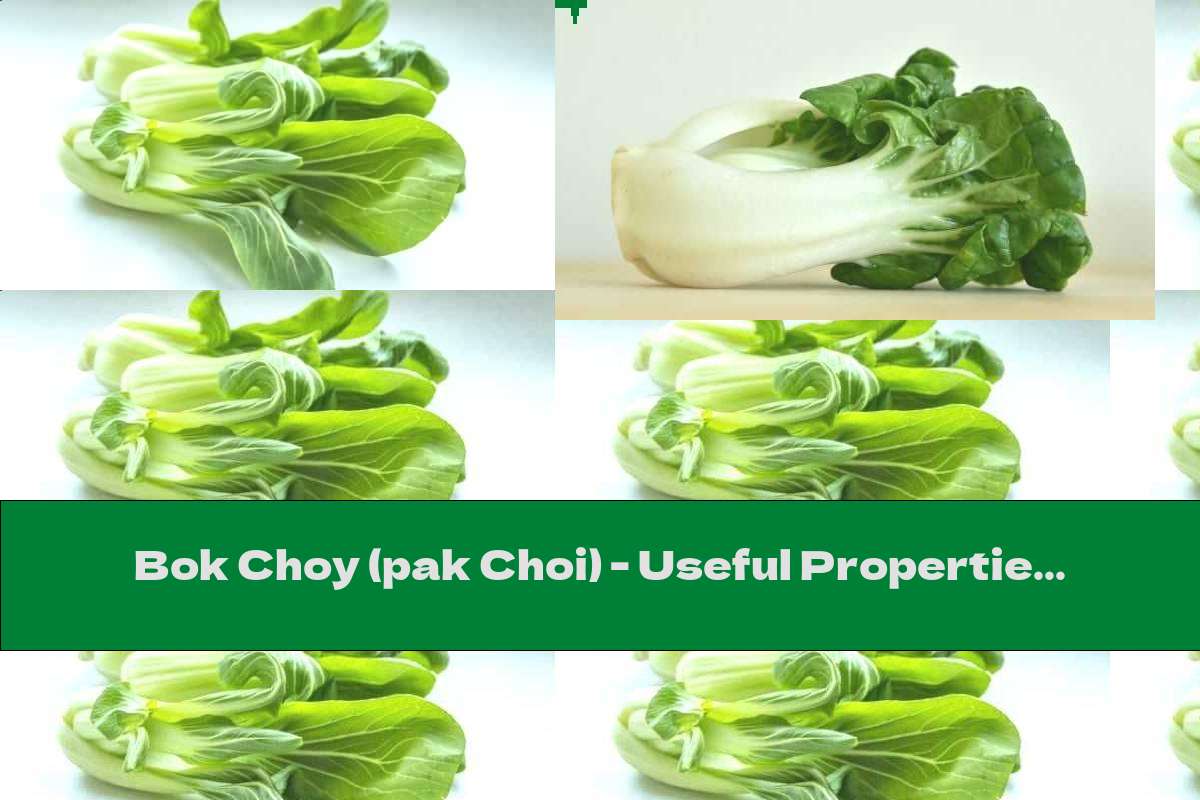
Bok choi (pak choi) is a type of Chinese cabbage. Low-calorie vegetables, rich in useful vitamins and minerals. It has anti-cancer properties, helps keep bones healthy.
Bok choy belongs to the cruciferous family. It is a type of Chinese cabbage, also known by the name Pak Choi (pak choi, pok choi). It was originally cultivated in China, but is now available worldwide. Cruciferous vegetables include cabbage, broccoli, cauliflower, Brussels sprouts, turnips and turnips. These vegetables are good sources of useful nutrients and contain few calories.
Nutritional content
One cup of raw bok choy tea contains 9 calories, 1 gram of protein, 1.5 grams of carbohydrates and 0.7 grams of fiber. It also does not contain cholesterol, but instead has 0.1 grams of useful polyunsaturated fats.
The same amount of vegetables provides 5% potassium, 62% vitamin A, 7% calcium, 5% vitamin B6, 3% magnesium, 3% iron and 52% vitamin C from the daily required doses.
Other vitamins and minerals that the plant contains are phosphorus, zinc, sodium, copper, manganese, selenium, niacin, folate, choline, beta-carotene and vitamin K.
In the index of the Total nutritional density of fruits and vegetables , choi again ranks sixth. In it, foods are graded not only on the basis of vitamins and minerals in their content, but also according to their phytochemical composition and their antioxidant properties.
Plants of the cruciferous family are among the vegetables with the highest content of glucosinolates. They are sulfur-containing compounds that help cleanse the body, and on the other hand bring numerous benefits to human health.
Health benefits
1. Prevention against some cancers
Bok choy, like other cruciferous vegetables, has certain anti-cancer properties. Studies show that people who eat more cruciferous vegetables have a lower risk of developing lung, prostate, colon and breast cancer.
2. Improves bone healthIron, phosphorus, calcium, magnesium, zinc and vitamin K stimulate the building and maintenance of bone structure and strength.
3. Lowers blood pressurePotassium and magnesium have been found to naturally lower blood pressure. A study found that people who took 4,069 milligrams of potassium a day had a 49% lower risk of dying from coronary heart disease than those who consumed 1,000 milligrams.
4. Affects inflammatory processesCholine (tamin B4), which is contained in bok choy, helps with insomnia and strengthens memory. It also helps maintain the structure of cell membranes, transmit nerve impulses, absorb fat and reduce chronic inflammation.
5. Strengthens immunitySelenium, found in vegetables, improves the body's immune response to infections by stimulating lymphocyte production.
6. Improves heart healthFolate, potassium, vitamin C and B6, combined with a lack of cholesterol, help maintain a healthy heart.
7. Improves the condition of the skinThe main reason for this beneficial property on the body is the collagen content in vegetables.
Eating a variety of fruits and vegetables improves health. Increased intake of plant foods, including pak choi, significantly reduces the risk of obesity, diabetes and heart disease. It also promotes overall health and increases energy.
Potential health risks from consuming bok choy
Raw bok choy, like other cruciferous vegetables, contains the enzyme myrosinase. Myrosinase may adversely affect thyroid function by preventing the body from absorbing iodine. The enzyme is deactivated by heat treatment. Consumption of small amounts of raw choi beans does not pose risks.
People taking anticoagulants should limit their intake of foods containing vitamin K, as it plays a role in blood clotting.
Related Articles
- The Ultimate Guide to E120i (Carmine) in Nutrition: Benefits, Usage, Recipes, and Risks
- The Role of Sodium Methyl Para-Hydroxybenzoate in Nutrition: Preservative Properties & Health Concerns
- The Impact of Potato Chips on Health: Nutritional Content, Risks, and Alternatives
- The Ultimate Guide to E161 in Nutrition: Sources, Benefits, and Risks
- The Ultimate Guide to Protein Shakes: Benefits, Recipes, and Risks