Breastfeeding And Mastitis
 Author: Karen Lennox
Time for reading: ~5
minutes
Last Updated:
August 08, 2022
Author: Karen Lennox
Time for reading: ~5
minutes
Last Updated:
August 08, 2022
CHAPTERS (Table Of Contents)
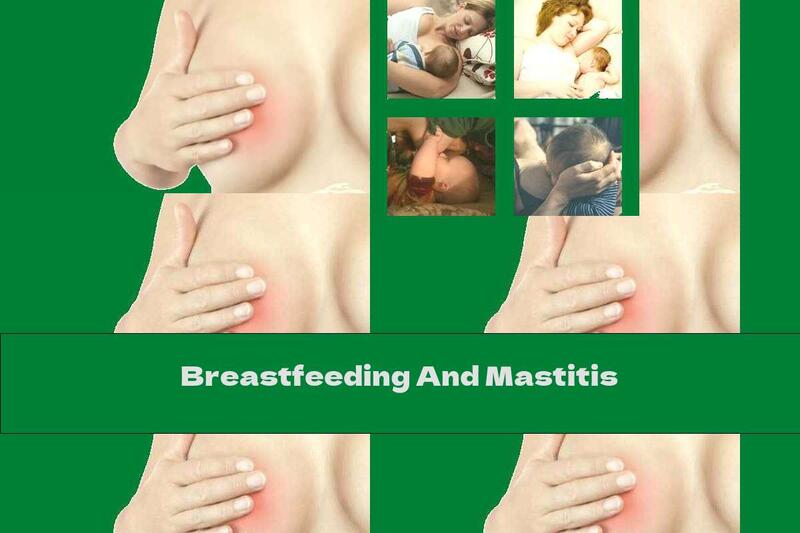
Mastitis is an inflammation of the mammary gland that most often occurs in the first 3 months of breastfeeding, especially in the second or third week, when you are still getting used to the process of breastfeeding.
What is mastitis?
Mastitis is an inflammation of the mammary gland that most often occurs in the first 3 months of breastfeeding, especially in the second or third week, when you are still getting used to the process of breastfeeding. It usually affects one breast, but it can be found in both breasts at the same time. The condition can quickly turn into an infection if bacteria get in and start multiplying in the inflamed tissues.
Unfortunately, mastitis can occur more than once. This can make you feel tired and exhausted, and with the addition of newborn care, many women are willing to give up breastfeeding. In fact, breastfeeding helps to cope with the condition, so do not rush to give up.
What are the symptoms of mastitis?Inflammation of the mammary gland usually begins with pain in one breast. There is also redness of the skin in the affected area, increased sensitivity to touch, swelling, fever, chills, pain all over the body. Painful and swollen underarm lymph nodes can also be found.
What are the causes of mastitis?
Mastitis can be the result of overfilling of the breasts and stagnation of milk - for example due to blocked milk ducts or long intervals between feedings. Breast infection can also be caused by microorganisms that get into it through wounded and cracked nipples.
Stress, fatigue, and being a mother for the first time can increase the risk of mastitis. You are also likely to develop mastitis if:
- you have had previous inflammation of the breast;
- you miss breastfeeding and do not squeeze the breasts, which leads to their overflow;
- you have cracked or injured nipples.
Should you stop breast-feeding if you have mastitis?
No! It is important to continue breastfeeding when you have mastitis. Although this can be extremely painful at times, you should breastfeed your baby as often as possible.
What to do with mastitis?
Start treatment as soon as you feel a sore spot or lump in your breast.
Provide good drainage of the breastThis is not the time to wean the baby. More than anything else in this case, the breasts are well emptied. Sucking by the baby is the best way to make this happen. Milk is completely safe for him.
Always start breastfeeding from a sore breast. Let the baby suckle long enough to make sure it drains well. However, take care and do not allow the other breast to remain full of milk, as this can cause a similar problem in her.
There are other ways to help milk flow more easily from the breast:
- make sure your bra is not tight;
- relax while breastfeeding to help the milk drain;
- make special efforts to relax your arms, legs, back, shoulders and neck;
- breathe deeply and evenly;
- listen to soothing music and think about the baby (thus facilitating the milk flow reflex);
- change the position of breastfeeding - in this way you stimulate all the milk ducts as much as possible;
- gently massage the breast towards the nipple while the baby is feeding;
- express the breast by hand or with a pump if the baby does not want to breastfeed. If you have mastitis, the milk may taste salty. This will not harm the baby, but may cause him to stop breastfeeding.
Apply hot and cold compresses
Using cold compresses on the affected breast can help reduce swelling and relieve pain.
Using warm compresses up to 5 minutes before breastfeeding can help milk flow. Warm compresses can be in the form of: a bottle full of hot water; a towel dipped in warm water; hot shower; pillows (filled with wheat, coarse salt or other material) that are heated in a microwave oven and other variations available on the market.
.
RestTaking a break when you have mastitis is extremely important. Stay in bed if you can, or at least stretch your legs for most of the day.
Seek medical attention
If symptoms persist within 24 hours, seek medical attention. Your doctor may prescribe antibiotics and painkillers (paracetamol, ibuprofen) in addition to rest and hot compresses.
Your doctor will prescribe a safe antibiotic that can be taken while breast-feeding. A small amount of it could get into breast milk and the baby may react by becoming restless and irritable, and sometimes there is a change in the consistency of his stool. However, this is temporary and passes with the end of the antibiotic.
In general, it is better to avoid antibiotics if possible, as you or your baby may respond to them. Some mothers and babies can develop thrush after a course of antibiotics. However, whether an antibiotic will be prescribed is determined by your doctor according to your condition. If the symptoms do not go away within a day and even worsen, it is necessary to take an antibiotic.
In case the breast remains sensitive and you still have a fever, seek medical help again a few days after taking it. You may need to do some tests to find out exactly what type of bacteria is causing the problem and what is the right medication to treat it. If you do not take action, mastitis can lead to complications. An untreated infection can progress to a breast abscess that needs antibiotic treatment and surgery (usually under general anesthesia).
Early treatment of the disease leads to faster recovery and lower risk of developing a breast abscess.
More in the topic: "Treatment for mastitis".
How long will mastitis last?
If mastitis is diagnosed in time, treatment is quick and easy, and does not last long. If you start taking antibiotics do not rush to stop taking if you feel better - do a full course of treatment as recommended by your doctor.
How can you prevent mastitis?
- Make sure the baby is holding the breast properly.
- Try different breastfeeding positions to make it easier for your baby to latch on and express your breasts better.
More information about the positions during breastfeeding can be found in the topic "Preparation and postures for breastfeeding".
- Breastfeed as often as your baby wants, aiming for 8 to 12 times a day.
- Express breast milk after breastfeeding.
- Rest and drink plenty of fluids.
- Avoid wearing tight-fitting clothing or a bra.
Further information on breastfeeding issues can be found in the topics:
- "Breastfeeding for sore, cracked and bleeding nipples";
- "Breastfeeding and blocked milk ducts";
- "Breastfeeding with flat or sunken nipples".
- Baby if - what can you find in the diaper
- How to feed a breastfeeding woman
- Diarrhea in breastfed babies
- Breastfeeding and coffee - does caffeine affect the baby
Related Articles
- Nutrition Guide: Breastfeeding for Infants and Mothers
- The Benefits of Night Breastfeeding for Nutrition: A Complete Guide
- The Importance of Night Breastfeeding for Nutrition: Benefits for Your Baby
- Night Breastfeeding for Nutrition: Benefits, Nutritional Composition, and Recipes
- The Ultimate Guide to Breastfeeding in Nutrition: Benefits, Diets, Concerns, and Recipes