Brown Rice - How Is It Better Than White?
 Author: Nia Rouseberg
Time for reading: ~2
minutes
Last Updated:
August 08, 2022
Author: Nia Rouseberg
Time for reading: ~2
minutes
Last Updated:
August 08, 2022
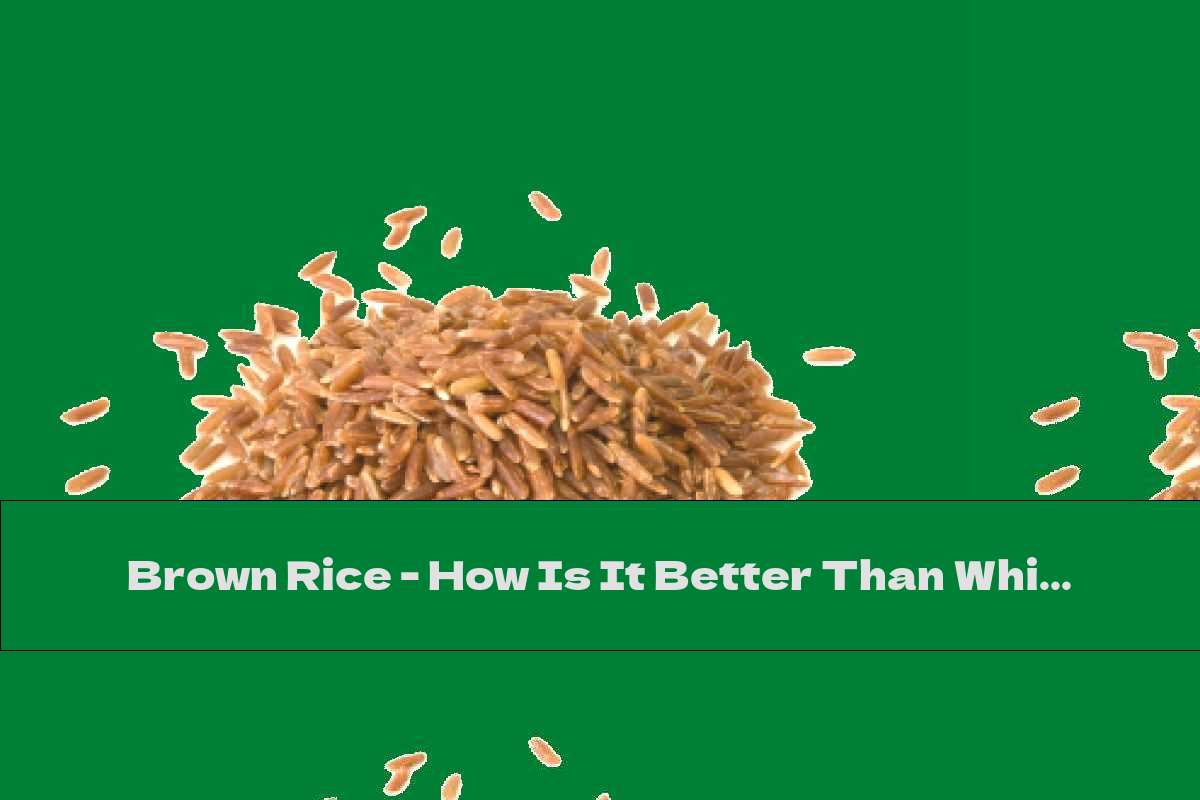
Rice is available all year round and is the staple food of almost half of the world's population.
The production of brown rice is characterized by the fact that only the top shell of the rice grain is removed. Polishing, which turns brown rice white, destroys 67% of the grain content of vitamin B 3 , 80% of vitamin B 1 , 90% of vitamin B 6 , more than 50% of the content of manganese, about 60% of iron and almost all fiber .
In addition to "crippling" food and making it poorer in nutrients, this often requires additional, chemical treatment of white rice, aimed at enriching it with vitamins B 1 , B 3 and iron.
Just one cup of brown rice a day delivers 88% of the Indicative Daily Intake (RDA) of manganese . This mineral is extremely important for obtaining energy from proteins and is involved in the synthesis of fatty acids, important for the proper functioning of the nervous system and also - an essential component in the production of cholesterol , through which the body produces all sex hormones . In addition, manganese is a powerful antioxidant that slows down the aging and damage of some cells.
Good fiber content - 14% of ODP and selenium - 27% of ODP per cup, make brown rice a recommended dish for people at risk of colorectal cancer - fiber minimizes the contact of carcinogens with colon cells, and selenium has proven more than once before the scientific world its anti-cancer properties.
A study published in the American Journal of Clinical Nutrition demonstrated how consuming brown rice reduced levels of "bad" LDL cholesterol by more than 7% in just 10 weeks.
The European Journal of Heart Health shows that eating brown rice at least 6 times a week slows the development of atherosclerosis , the accumulation of plaque on the inner walls of blood vessels and visibly slows aortic stenosis.
Brown rice is not considered an allergen and does not contain significant amounts of oxalates or purines . In many parts of the world, it is even recommended as a hypoallergenic food suitable for people with special conditions.
The European Food Agency warns that some brands of brown rice sourced from the Far East - India or Bangladesh, as well as imports from the United States - may contain elevated levels of arsenic . It is advisable that when purchasing this product, it is certified as an "organic" food, and if not - not to be imported from any of the three countries mentioned above, due to the potential risk of arsenic contamination.
Related Articles
- The Delicious and Nutritious World of Minibrownies: A Guide to Healthy Indulgence
- The Ultimate Guide to Rice: Nutrition, Types, Recipes, and More
- The Ultimate Guide to E415 (Xanthan Gum) in Nutrition
- The Power of Food Combinations: Enhancing Nutrition for Better Health
- Understanding Carbs to Sugar Conversion: A Guide to Better Health
Top Nutrition Articles Today
- . Diet After Surgery Of The Small And Large Intestine
- . High Flavonoid Cocoa Powder
- . The Role of Acidity in Nutrition: Understanding pH Levels an...
- . The Importance of Food Labels in Nutrition: A Comprehensive...
- . Jam For Breakfast To Lose Weight? Why Not?
- . Lentils - Saturate And Provide Folic Acid
- . Nutrition in 2025: Trends, Technologies, and Future Outlook
- . How To Reduce Appetite
- . The Truth About Potato Chips: Health Effects and Alternative...
- . Crohn Pain And Ulcerative Colitis