Ginger (root)
 Author: Joe Fowler
Time for reading: ~5
minutes
Last Updated:
August 08, 2022
Author: Joe Fowler
Time for reading: ~5
minutes
Last Updated:
August 08, 2022
CHAPTERS (Table Of Contents)
Ginger can be consumed fresh, powdered, dried, in tinctures, capsules, tablets, oil or juice. It contains nutrients and biologically active compounds that have powerful health benefits for the human body and brain.
Ginger is a plant in the Zingiberaceae family, along with cardamom and turmeric. It is commonly grown in India, Jamaica, Fiji, Indonesia and Australia.
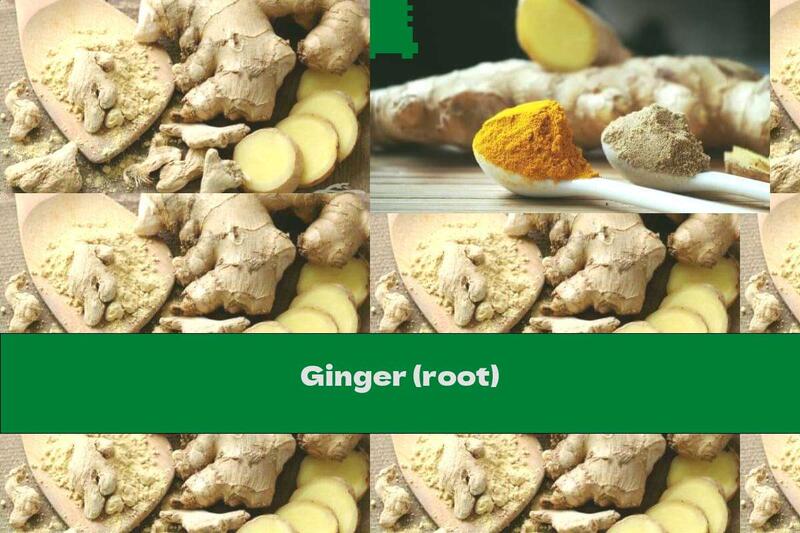
The roots or underground stems (rhizomes) of the plant can be consumed fresh, powdered, dried, in tinctures, capsules, tablets, oil or juice.
Ginger is famous in cooking. It can be found in recipes for soups, desserts, drinks and sauces. It is used no less variously in medicine (both in folk and traditional). Conventional therapeutic practices include ginger to treat colds, relieve the symptoms of food poisoning, restore the liver, and increase brain activity. Ways to use it in the fight against cancer are being explored.
It contains nutrients and biologically active compounds that have powerful health benefits for the human body and brain.
Nutritional value
Ginger provides a variety of vitamins and minerals. 100 grams of fresh root contain:
- 79 calories
- 17.26 grams of carbohydrates
- 3.6 grams of protein
- 0 grams of sugar
- 14 milligrams of sodium
- 1.15 grams of iron
- 7.7 milligrams of vitamin C.
- 33 milligrams of potassium
Other nutrients in ginger are vitamin B6, magnesium, phosphorus, zinc, folic acid, riboflavin, niacin and others. The anti-inflammatory and antioxidant compounds found in it, which are useful for health, are gingerols, beta-carotene, capsaicin, caffeic acid, curcumin and salicylate.
Health benefits
The rhizome (the underground part of the stem) is the part that is usually used to aid digestion, reduce nausea and fight flu and colds. The unique aroma and taste of the root come from its essential oils. The most important is gingerol, which is the main biologically active compound in ginger, responsible for many of its healing and powerful anti-inflammatory and antioxidant properties.
1. Helps with nauseaThe plant is used as a remedy for seasickness and there is evidence of its effectiveness as a medicine. It can also relieve nausea and vomiting after surgery in patients receiving chemotherapy. Taking ginger reduces the feeling of nausea, but does not prevent vomiting.
2. Reduces painIn an 11-day study among training people taking 2 grams of ginger a day, a significant reduction in muscle pain was found. Another study found a reduction in pain among 150 women taking 1 gram of ginger powder during the first 3 days of the menstrual period.
3. It has anti-inflammatory effectsOsteoarthritis is a common health problem that involves degeneration of the joints in the body, leading to symptoms such as joint pain and stiffness. A controlled study of 247 people with osteoarthritis of the knee found that people who took ginger extract had significantly less pain and the need for painkillers than others who did not take the extract.
Another study showed that the combination of ginger, mastic, cinnamon and sesame oil can reduce pain and stiffness in patients with osteoarthritis when applied topically.
4. Lowers blood sugarGinger has powerful antidiabetic properties. In 2015, a study was conducted among 41 people with type 2 diabetes who took 2 grams of ginger powder per day. Fasting blood sugar was found to be 12% lower. In addition, glycated hemoglobin (HbA1c), a marker of a person's glycemic status, was drastically reduced (by 10%) 8 to 12 weeks ago.
5. Supports digestionGinger reduces the time it takes to empty the stomach after consuming soup from 16 to 12 minutes. A study of healthy people taking 1.2 grams of ginger powder before meals found an acceleration of gastric emptying by 50%.
The phenolic compounds in ginger help relieve gastrointestinal irritation, stimulate saliva and bile production, and suppress gastric contractions as food and fluids move through the gastrointestinal tract.
The root has a beneficial effect on the enzymes trypsin and pancreatic lipase and has a beneficial effect on increasing motility through the digestive tract.
6. Lowers cholesterol levelsHigh levels of LDL lipoproteins ("bad" cholesterol) are associated with an increased risk of heart disease. In a 45-day study among 85 individuals with high cholesterol, it was found that taking 3 grams of ginger powder per day significantly reduced most cholesterol markers. These results were supported by a study of hypothyroid rats in which ginger extract lowered "bad" cholesterol. Both studies also showed reduced total cholesterol and triglycerides in the blood.
7. Improves brain function and protects against Alzheimer's diseaseOxidative stress and chronic inflammation can accelerate the aging process. They are thought to be among the main causes of Alzheimer's and age-related cognitive decline.
Animal studies suggest that antioxidants and biologically active compounds in ginger may inhibit inflammatory reactions that occur in the brain.
There is evidence that the root can improve brain function. In a study of 60 middle-aged women, ginger extract was shown to improve reaction time and memory. There are also numerous animal studies that have found that the plant can protect against age-related decline in brain function.
8. Actively fights infectionsGingerol, the biologically active substance in fresh root, can help reduce the risk of infections. Ginger extract inhibits the growth of many different types of bacteria. It is very effective against oral bacteria associated with inflammatory gum disease, such as gingivitis and periodontitis.
Fresh root has a beneficial effect against respiratory syncytial virus (RSV), a common cause of respiratory infections.
Contraindications
Despite the fact that ginger has many useful nutrients and generally has a beneficial effect on the human body, it should be consumed in moderation. After consulting a doctor, the root can be used in combination with drugs, but not as a substitute. In some cases, it is better not to take ginger:
- with sugar-lowering drugs and blood thinners;
- in inflammatory bowel diseases (gastritis, enteritis);
- in acute heart, bile and liver diseases;
- in case of mucosal damage and bleeding;
- at too high a temperature;
- during pregnancy (second and third trimesters);
- in children under 3 years.
Ginger is generally recognized as safe. However, in some people, large amounts of the root can worsen the symptoms of acid reflux, irritate the mouth and cause diarrhea.
The effectiveness and side effects of ginger supplements vary by brand and composition. It is recommended not to take more than 4 grams of dried root per day or 1 gram during pregnancy, including in food.
Scientists insist on caution when using supplements containing ginger. They should not be used with aspirin or other medicines to thin the blood.