Burdock - Useful Properties And Contraindications
 Author: Victoria Aly
Time for reading: ~2
minutes
Last Updated:
August 08, 2022
Author: Victoria Aly
Time for reading: ~2
minutes
Last Updated:
August 08, 2022
CHAPTERS (Table Of Contents)
Burdock is a weed rich in nutrients. The roots of the plant are rich in protein, essential oils, vitamins, minerals, tannins and organic acids.
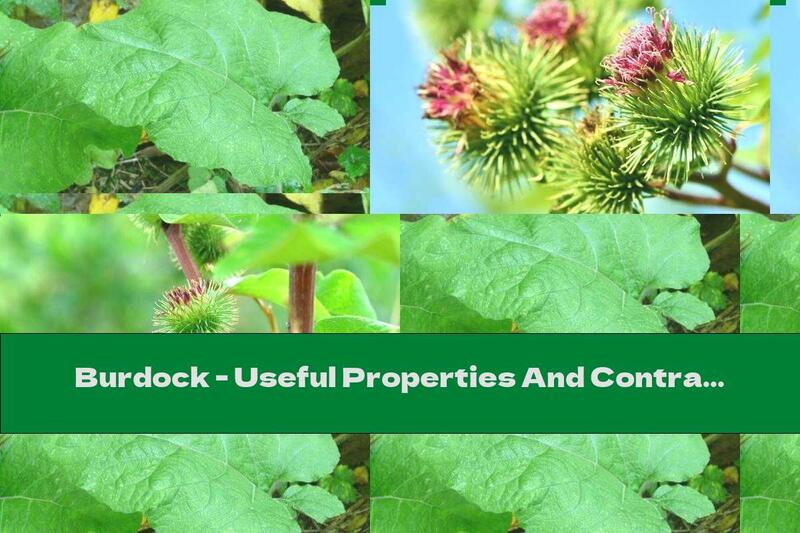
Burdock is a widespread weed that is eradicated by all supporting garden and lawn areas. Behind its unsightly appearance, however, lies a real deposit of useful substances for the human body, making the plant valuable for our health. It is used both in cooking (for making salads) and as a remedy.
Burdock root is superior in nutrition and nutrition to carrots, parsley and parsnips combined.
Nutritional composition of burdock
As we said at the beginning, burdock is a treasure trove of nutrients. The roots of the plant contain proteins, essential oils, vitamins B, C, E, A, P, tannins, minerals and organic acids.
Useful properties of burdock consumption
The root is used for medicinal purposes, and the aboveground part of the plant - less often. Burdock has diuretic, laxative and anti-inflammatory effects. The root is an effective means of restoring metabolism, treating gout and kidney stones. Infusions and decoctions are recommended for ulcers, gastritis and as blood purifiers.
Infusion of the leaves helps with kidney disease, inflammatory processes in the joints, is used as an antipyretic product. The green part is used to treat mastopathy and intestinal problems (constipation).
Chinese medicine recommends the use of a decoction of the seeds of the plant, as well as its fresh green parts, to eliminate swelling. In combination with various herbs, weeds are used for bleeding, syphilis and intoxication due to insect bites.
The root contains a lot of prebiotic inulin - a natural analogue of insulin. Therefore, it is used in the treatment of diabetes. In addition to its ability to reduce the amount of sugar in the blood, inulin is also used to normalize intestinal function, to cleanse the gastrointestinal tract of poorly processed foods and toxins. The prebiotic reduces the impact of toxic substances on the body, effectively fights alcohol intoxication.
Inulin-containing plants help get rid of atherosclerosis. The substance prevents the deposition of fat, cell waste and slag on the walls of blood vessels. At the same time, the latter do not lose their elasticity and the blood supply to the heart muscle increases, which prevents the development of heart attacks and strokes.
Thanks to inulin, which is an anticoagulant, blood clots do not form in the blood vessels, improving the absorption of magnesium, necessary for the activation of more than 300 enzymes affecting the cardiovascular system and the level of fatty acids in the blood.
The use of burdock root contributes to the normalization of the intestinal microflora, increase bifidobacteria. The plant inhibits the growth of pathogenic microorganisms, enterobacteria, coliforms, fungal colonies.
All parts of the plant can be used as substitutes for chemically created immunomodulators.
Infusions and decoctions of burdock should be taken to restore metabolism, to strengthen the body's defenses, and also as a stimulant in chronic diseases.
Contraindications
The intake of burdock in various forms is contraindicated in cases of individual intolerance to the plant or to any of its ingredients. Consultation with a doctor remains mandatory, as according to some claims the juice of the plant should not be used by pregnant and lactating women, as well as by those suffering from bulimia and liver problems.
* The values given in the table below refer to 100 grams of raw burdock root.
Related Articles
- The Role of Sodium Methyl Para-Hydroxybenzoate in Nutrition: Preservative Properties & Health Concerns
- The Role of Functional Properties in Muffins: Nutrition, Diets, and Recipes
- The Functional Properties of Muffins in Nutrition: A Comprehensive Guide
- Nutritional Benefits of Functional Properties in Muffins: A Comprehensive Guide
- Functional Properties of Muffins in Nutrition: A Complete Guide