Cabbage - For Better Digestion
 Author: Ivan Red Jr.
Time for reading: ~1
minutes
Last Updated:
January 27, 2026
Author: Ivan Red Jr.
Time for reading: ~1
minutes
Last Updated:
January 27, 2026
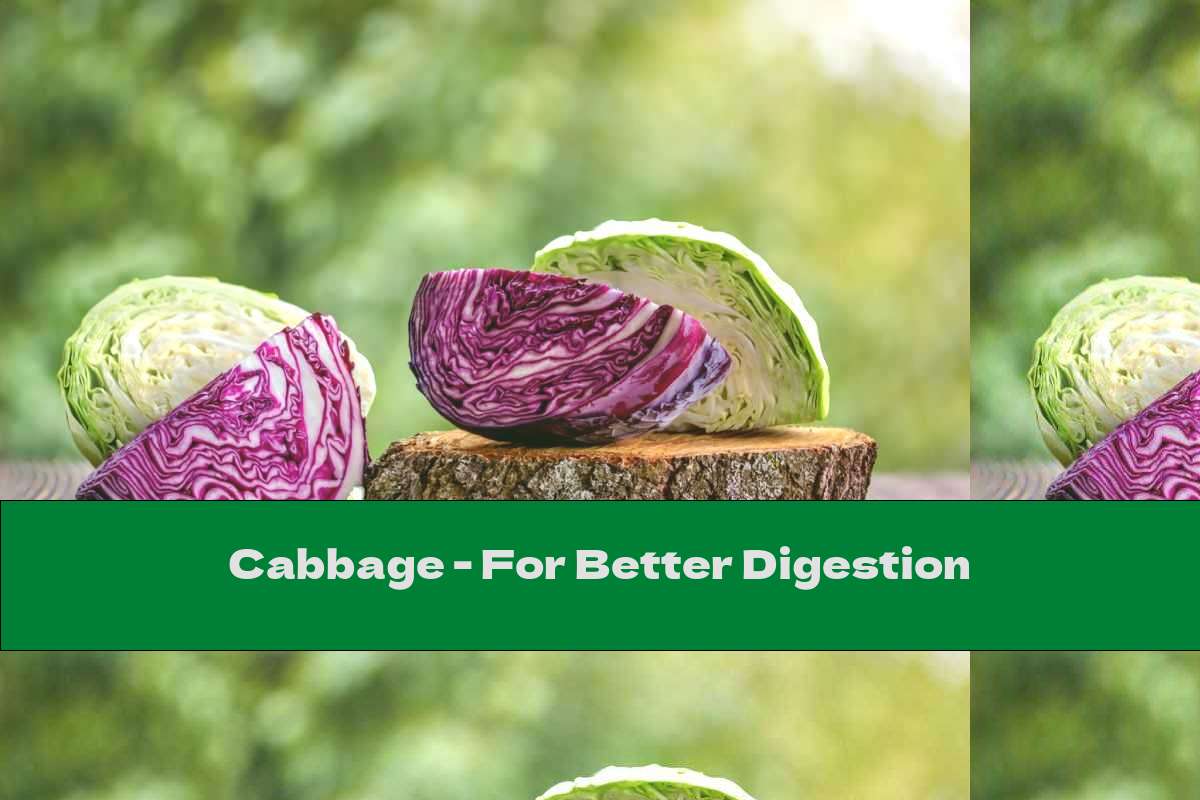
In addition to the intestines, cabbage is good for the heart, eyes and to prevent cancer.
Cabbage is an extremely useful vegetable that improves digestion. It is rich in fiber, which keeps the digestive system healthy by stimulating regular bowel movements. This prevents constipation. The fiber in it also increases the number of beneficial bacteria in the gut. These bacteria perform important functions such as protecting the immune system . In addition, sauerkraut or fermented cabbage also stimulates the production of good bacteria in the gut.
In addition to improving digestion, the consumption of cabbage is also good for the heart. For example, red cabbage contains powerful compounds called anthocyanins. They give the cabbage a purple color, but also reduce the risk of heart disease. A study of 93,600 women found that those who took more anthocyanins had a lower risk of heart attack. Increased intake of anthocyanins also reduces the likelihood of developing coronary heart disease. This is due to the anti-inflammatory properties of the compounds. In addition, cabbage contains over 36 different types of anthocyanins.
Eating cabbage also lowers blood pressure. This is due to potassium, an important mineral that the body needs. It also counteracts the effects of sodium in the body by relaxing the walls of blood vessels , which leads to lower blood pressure.
This incredibly useful vegetable contains substances called phytosterols . They reduce high cholesterol by blocking its absorption in the digestive tract.
Cabbage is extremely rich in a number of vitamins and minerals. Among them is vitamin K , which is needed for blood clotting. It is also rich in vitamin C, a powerful antioxidant that protects against vision loss and some cancers, including breast, prostate, bladder and colon cancers. In fact, red cabbage contains more vitamin C than white. It is rich in beta-carotene, which prevents macular degeneration and slows down the formation of cataracts.
In addition to these vitamins, cabbage is high in folate, vitamin B6, calcium, manganese and magnesium . It contains smaller amounts of other trace elements such as vitamin A, iron and riboflavin. In addition, cabbage is very low in calories, which makes it ideal for inclusion in the diet menu.
Related Articles
- The Role of Water in Nutrition: Importance, Hydration, Digestion, and More
- The Nutritional Benefits of Red Cabbage: A Colorful Addition to Your Plate
- Understanding Gassy Foods: Impact on Digestion and How to Manage Gas
- The Role of Lactic Acid in Nutrition: Benefits, Impact on Digestion, and More
- The Power of Food Combinations: Enhancing Nutrition for Better Health
Top Nutrition Articles Today
- . Acrylamide - The Harmful Substance In Pasta
- . Fast Food: Harm To The Body And Ways To Solve The Problem
- . The Power of Lactic Acid in Nutrition: Benefits, Foods, and...
- . The Role of Raising Agents in Nutrition: Types, Functions, a...
- . 10 Foods The Richest People In The World Eat For Lunch
- . Nutrition Guide: Diet for Fatty Liver and Alcohol-Induced Li...
- . Allium Intolerance: Understanding the Impact on Nutrition
- . E477: A Comprehensive Guide to the Food Additive
- . Nutrition and Hepatic Cysts: Managing Your Liver Health
- . The Ultimate Guide to Whey Protein: Benefits, Types, Uses, a...