Cabbage - The Vegetable Of Winter
 Author: Karen Lennox
Time for reading: ~2
minutes
Last Updated:
August 08, 2022
Author: Karen Lennox
Time for reading: ~2
minutes
Last Updated:
August 08, 2022
CHAPTERS (Table Of Contents)
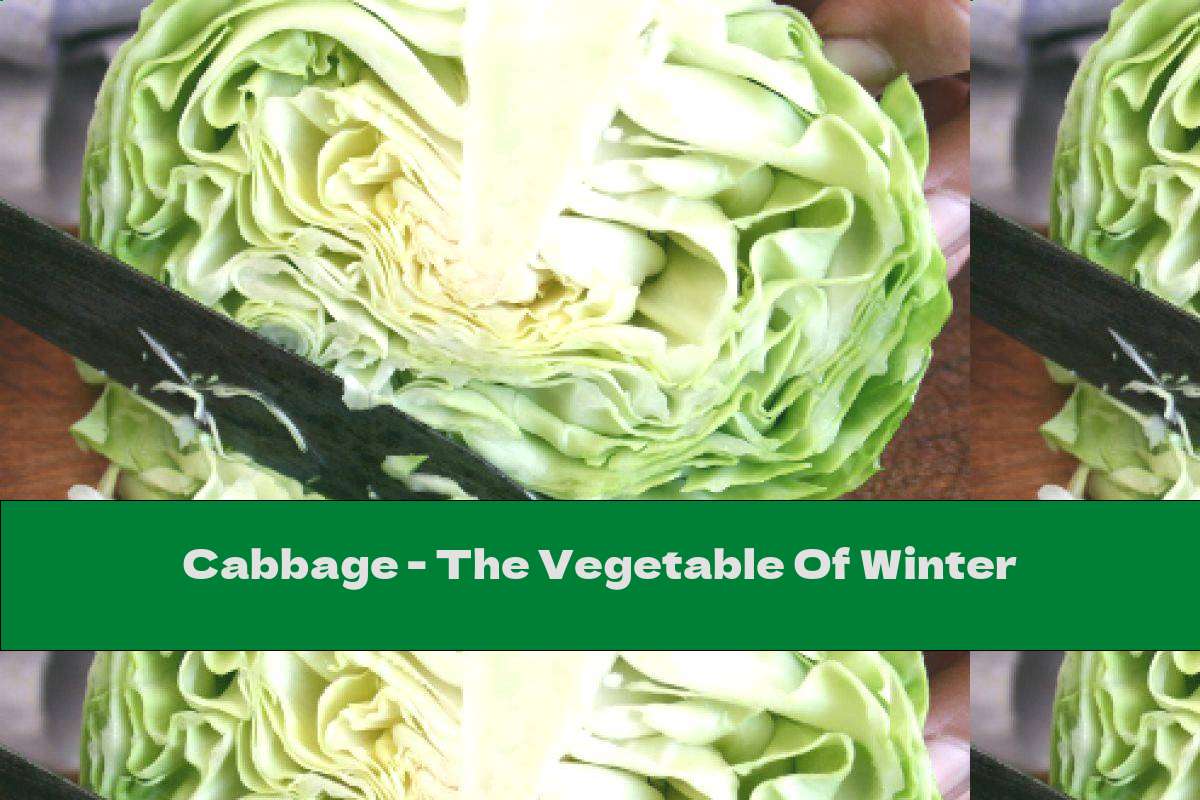
Cabbage is one of the most used vegetables in winter. Here are its health benefits
Cabbage is one of the most used vegetables in winter. In addition to the traditional sauerkraut, which Bulgarians prepare, this season we consume it in other forms. The benefits of vegetables have been known since the ancient Greeks and Romans, who recommended it as a divine food. And there is a reason.
It is no coincidence that fresh vegetables are called "northern lemons". This strange name is due to the large amount of vitamin C in it, similar to citrus. It contains substances that increase the body 's resistance to viruses and colds .
In 100 grams of fresh cabbage there are 25 calories, 1.28 grams of protein, 5.80 grams of carbohydrates , 0.10 grams of fat. White cabbage is the most widely used and rich in useful micronutrients. It contains about 92% water, 1.4 proteins, 2 to 8% sugars, as well as minerals such as potassium, calcium, phosphorus, magnesium, iron , sulfur, sodium, iodine, manganese and others. The inner leaves and cobs of vegetables contain proteins, sugars and vitamins such as C, B1, B2, PP, K, U. Carotene, which gives it a green tint, is also very important.
Let's take a closer look at the many health benefits of eating cabbage in the winter:
Reduces inflammation
Inflammation is the body's response to infections. It can be part of the healing process, but it can also become chronic. Many studies show that eating cruciferous vegetables, such as cabbage, helps reduce inflammation. This is due to the variety of vitamins in it. For example, vitamin C is an antioxidant that fights free radicals in the body .
Strengthens the immune system
That's why they compare cabbage with citrus. In 100 grams of fresh cabbage there are about 36.6 milligrams of vitamin C, which is quite a high value. Vitamin intake prevents colds, fighting pathogens , and strengthens the immune system.
Vitamin C improves the absorption of other nutrients, especially iron.
Improves digestion
If we often have stomach problems, we can drink sauerkraut juice, which is considered a natural probiotic . Cabbage is rich in fiber, and in 100 grams there are about 2.5 grams of them, which is enough to improve bowel movements.
Intake of sauerkraut and juice also helps with constipation.
Helps to lose weight
Cabbage is a low-calorie vegetable that we can eat more often during the diet without worrying about gaining weight. There are only 25 calories in 100 grams of fresh cabbage.
Makes the skin better
Due to the presence of vitamin C , consuming cabbage can help improve the production of collagen - the protein that supports skin elasticity. Vitamins A and D also support the strength of our skin.
Related Articles
- The Power of Allium Vegetables: Health Benefits and Recipes
- Nutritional Benefits of Vegetable Glycerin: Uses, Diets, and Recipes
- Nutritional Benefits of Winter Salad with Shrimp | Easy Recipe
- Winter Nutrition: Importance, Key Nutrients, Superfoods, Recipes & Tips
- The Power of Chicken and Vegetables: A Nutritional Guide
Top Nutrition Articles Today
- . Grapefruit - For Colds And Flu
- . How To Freeze Quince
- . The Role of Sodium Malate in Nutrition: Benefits, Concerns,...
- . The Ultimate Guide to Potassium Nitrate in Nutrition
- . Myra E: Benefits for Nutrition, Diets, and Recipes
- . The Truth About Potato Chips: Health Effects and Alternative...
- . The Ultimate Guide to Hickory Smoked Bacon in Nutrition and...
- . 10 Foods You Can Eat On An Empty Stomach
- . Foods High In Folate And B12
- . The Essential Role of Copper (Cu) in Nutrition: Sources, Ben...