Carrots (orange) - Composition, Useful Properties And Harm In Case Of Excessive Consumption
 Author: Maryam Ayres
Time for reading: ~4
minutes
Last Updated:
January 27, 2026
Author: Maryam Ayres
Time for reading: ~4
minutes
Last Updated:
January 27, 2026
CHAPTERS (Table Of Contents)
Useful properties of carrots: This vegetable has been used since ancient times as an aid in the treatment and prevention of various diseases. Recommended for diseases of the cardiovascular system
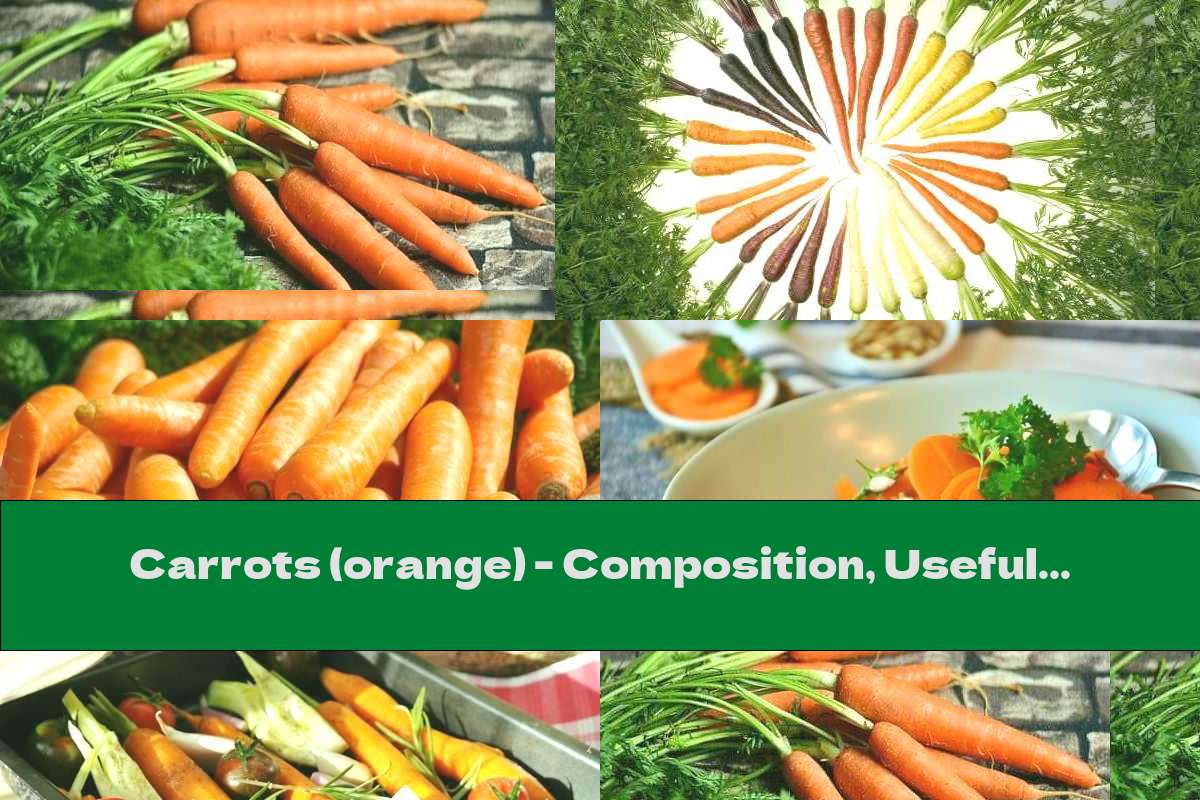
Carrots are a root vegetable, crunchy and nutritious. A good source of beta-carotene, fiber, vitamin K1, potassium and antioxidants. Suitable food is for weight loss and is associated with lower cholesterol levels, improved vision, reduced risk of cancer and many other health benefits. Vegetables come in different colors - yellow, white, orange, red and purple. Oranges get their bright color from the antioxidant beta-carotene. We will look at the composition, health benefits and contraindications of carrot consumption.
Nutritional value
Carrots are a good source of biotin, potassium and vitamin A, K1 and B6. Vitamin A improves vision and is important for growth, development and immune function. Biotin plays an important role in fat and protein metabolism, and vitamin K1 (phylloquinone) is important for blood coagulation and keeping bones healthy. Vitamin B6 is involved in converting food into energy for the body.
The main plant compounds in carrots are:- Beta-carotene: Orange carrots are very high in beta-carotene. Cooked vegetables are better absorbed. Carotenoid is an excellent antioxidant that suppresses free radicals, provoking various dangerous diseases.
- Alpha-carotene: An antioxidant that, like beta carotene, is partially converted to vitamin A in the human body.
- Lutein: One of the most common antioxidants in yellow and orange carrots, it is important for eye health.
- Lycopene: A bright red antioxidant found in many red fruits and vegetables, including red and purple carrots. May reduce the risk of cancer and heart disease.
- Polyacetylenes: Recent research has found bioactive compounds in carrots, such as polyacetylenes, that can help prevent leukemia and other cancers.
- Anthocyanins: These are powerful antioxidants found in dark-colored carrots.
Useful properties of carrot consumption
Orange carrots are a real deposit of beta-carotene (vitamin A) and are one of the main sources of the substance for the human body. Under the influence of liver enzymes, it is converted into vitamin A (retinol), which supports the functions of many internal organs and systems. First of all, the vitamin is the basis for overall eye health. When it is deficient in the body, chicken blindness can develop. Second, vitamin A is important for the normal functioning of the retina and protects the inner lining of the eyeball from age-related degeneration.
Of course, carrots are not a panacea, so vegetables should not be expected to prevent farsightedness or nearsightedness.
Retinol is actively involved in regulating protein synthesis, redox processes in the body, also contributes to normal metabolism and the immune system. The vitamin is very important for the formation of the skeleton, teeth and nails. It is effective in seborrhea and brittle hair, as it is involved in the regulation of sebaceous glands.
The benefits of vitamin A during pregnancy are invaluable. It is important for the normal development of the embryo and reduces the risk of giving birth to a premature baby. Retinol is also needed by the body to maintain good skin condition, as it stimulates collagen synthesis, and also accelerates the healing process of wounds and reduces the risk of infections. Its role is also important for slowing down aging.
It must be borne in mind that vitamin A refers to fat-soluble vitamins. In order to be absorbed by the body and bring it benefits, it is necessary to use it together with fats. Therefore, raw carrots are recommended to be consumed with vegetable oil or sour cream. Another important point is that in combination with alcohol, beta-carotene puts a lot of strain on the liver.
In addition to beta-carotene, which is why carrots are so valued, they also contain a significant amount of vitamins B, C and E. The latter helps absorb retinol, has a beneficial effect on the skin, responsible for the regeneration of its upper layer. Vitamin C in turn contributes to the thickening of blood vessels, and B vitamins are involved in fat metabolism and hematopoiesis.
The root also contains cellulose, which helps to normalize digestion. The many potassium and magnesium in carrots are useful in diseases of the cardiovascular system, such as hypertension and atherosclerosis.
Modern research confirms the definition of carrot as a product of medicinal importance. Vegetables are used as a raw material for carotene production. In addition, multivitamin root is good in the treatment of certain diseases, is part of the therapeutic diet. It also produces cellulose, glucose, lecithin, essential and other oils.
Carrots in nutrition
Often orange vegetables are the basis of diets because they are low in calories, rich in minerals and vitamins.
Mono diets based only on the consumption of carrots should not last more than three days, during which vegetables can be eaten both raw and cooked. In addition, add a little fat to it, which in weight loss regimes should be in the ratio of 1 tablespoon of vegetable oil or 2 tablespoons of nonfat sour cream per 1 kg of carrots.
Carrot puree and juice can be given to babies after 6-7 months of age.
Carrots in cooking
Carrots are known in every kitchen in the world. They are added to vegetable ragouts, salads, soups, various pilafs, desserts, pies, puddings and more. In Japan, you can even find carrot and orange-flavored ice cream.
Carrot juice is also popular, its health benefits for humans are not small.
Contraindications to the consumption of carrots
They are contraindicated for people with diseases of the liver and digestive system. Excessive consumption of carrots can lead to unwanted yellowing of the skin.
Freshly squeezed carrot juice should not be abused because it puts a lot of strain on the pancreas.
In acute diseases of the gastrointestinal tract, it is best to avoid carrots, as they contain a large amount of insoluble fiber, which is heavy for diseased intestines.
Carrots are useful as a prophylaxis against gastrointestinal and liver problems, but in exacerbated pre-existing ones, they should not be consumed.
- Carrot juice
- Red carrot
Related Articles
- The Role of Sodium Methyl Para-Hydroxybenzoate in Nutrition: Preservative Properties & Health Concerns
- The Role of Functional Properties in Muffins: Nutrition, Diets, and Recipes
- The Functional Properties of Muffins in Nutrition: A Comprehensive Guide
- Nutritional Benefits of Basil Carrots: A Healthy and Delicious Combination
- Nutritional Benefits of Functional Properties in Muffins: A Comprehensive Guide
Top Nutrition Articles Today
- . Breakfast Pizza
- . Calories In A Piece Of Bread
- . Health Benefits Of Vitamin C
- . Night Nutrition: Importance, Benefits, and Best Foods to Eat
- . The Ultimate Guide to Metataric Acid in Nutrition: Sources,...
- . Sushi For Beginners. How Easy It Is To Spin Sushi Rolls
- . How To Cook Spicy Green Tea With Turmeric, Lemon Juice And G...
- . When Is It Better To Eat Fruit?
- . The Essential Guide to Nutrients in Nutrition: Importance an...
- . How To Cook Mini Sandwiches With Cherry Filling - Recipe