Cereals And Type 2 Diabetes
 Author: Karen Lennox
Time for reading: ~3
minutes
Last Updated:
August 08, 2022
Author: Karen Lennox
Time for reading: ~3
minutes
Last Updated:
August 08, 2022
CHAPTERS (Table Of Contents)
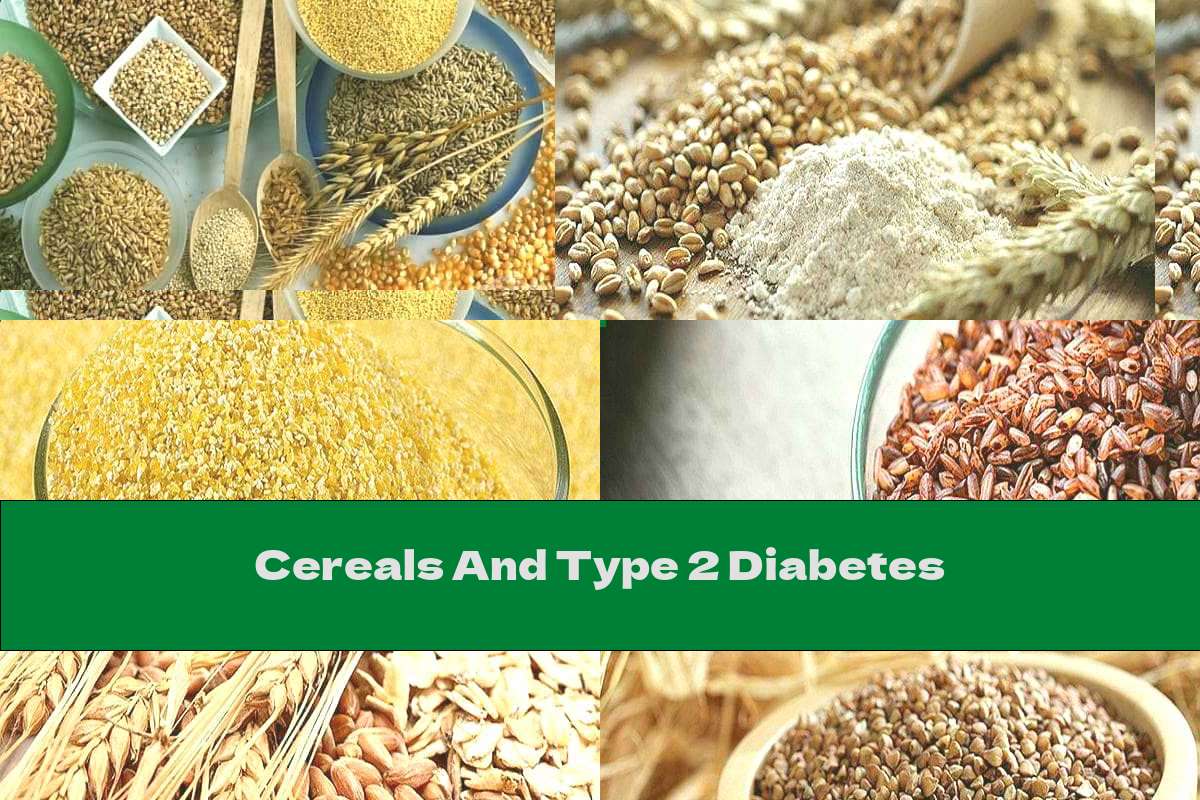
In this article, learn more about Cereals And Type 2 Diabetes. 10 useful cereals in type 2 diabetes.
Diabetes is a disease whose course is directly affected by food. Therefore, in the following lines we will present a list of 10 types of cereals that are useful for consumption by people with type 2 diabetes .
When compiling the menu, the main thing is to replace refined products that raise blood glucose levels with unrefined ones.
Processed grains are devoid of some important elements, such as endosperm, germ and bran, the presence of which in whole grains reduces the risk of developing type 2 diabetes, prevents obesity, improves digestion and metabolism.
Whole wheat
Raw wheat grains contain insoluble fiber, which improves insulin sensitivity and lowers blood glucose.
Corn kernels
The polyphenols in corn are not only antioxidants, but also protection against type 2 diabetes. Despite the starch content, it is sometimes good to include corn kernels in the menu.
Brown rice
Rice does not contain gluten, so it is suitable for people diagnosed with celiac disease or wheat allergy. Unrefined rice retains much of the bran and germ in its grains, which contain insoluble fiber and magnesium. These nutrients improve metabolism, reduce insulin sensitivity and prevent or reduce the risk of developing type 2 diabetes. Replacing white rice with brown rice will increase the body's intake of cellulose and the chances of fighting the disease.
Oat
Antioxidants and fiber are preserved in whole grain oatmeal. Unrefined grains contain beta-glucan - a type of soluble cellulose that lowers the glycemic index (in type 2 diabetes you should not eat cereals with a high GI), helps control cholesterol levels.
Oats are absorbed for a long time and give energy to the body for a long time. This helps maintain a normal body weight and prevents the development of type 2 diabetes, which is often associated with obesity.
In the river
Buckwheat is characterized by a complex of useful properties, high content of amino acids, potassium and protein. Gluten free. It is suitable for consumption by people suffering from diabetes, as well as for those who care about their figure.
Bulgur
Bulgur is approved for consumption in type 2 diabetes, if there is no obesity, glucose intolerance, flatulence and other diseases of the gastrointestinal tract.
The cellulose and protein in the grains improve metabolism, and the slow absorption of the product helps control weight and hunger.
Millet
Porridges made from unprocessed millet saturate the body with cellulose, vitamins and minerals, and slow digestion ensures the gradual entry of glucose into the blood. Large amounts of the product should not be consumed to maintain health in type 2 diabetes, as it is characterized by a high glycemic index. But a small portion taken in the first half of the day will have a good effect on health and will help to lose weight.
Quinoa
Quinoa grains are rich in protein and are comparable to milk in amino acid content. The culture does not contain gluten, its glycemic index is not high. Including it in the menu in the form of porridge helps to heal and strengthen the body, to improve metabolism, to normalize weight and reduce the risk of developing type 2 diabetes. Quinoa should be used with caution because it contains a lot of oxalates. .
Amaranth
Amaranth is a cereal that contains a lot of protein, fat, pectin, macro-and micronutrients. The lack of gluten in its composition and the presence of cellulose make it useful for the body. Regular consumption of amaranth porridge in the morning normalizes the acid-base balance and restores the functions of the non-gastrointestinal tract.
Tef
Teff is not a popular culture in our country, but that does not make it less useful for humans. It restores the composition of the blood and increases immunity. There is no gluten in it, and the amounts of calcium and protein are large. The intake of teff is suitable for people with diabetes, moreover, the taste of the beans is sweet, they can be added to pastries.
Finally, we will summarize that the cereals that can be consumed by people suffering from type 2 diabetes should contain cellulose, vitamins and amino acids, and their glycemic index should not be high.
To prevent sudden spikes in blood sugar, it is useful to combine these foods with vegetables suitable for diabetes.
- Why choose wholemeal flour over white
- 8 snack ideas suitable for diabetics
- Nutrition in diabetes
- Fruits in type 1 and type 2 diabetes - part 1
Related Articles
- The Role of Flour in Nutrition: Types, Benefits, and Recipes
- The Role of Additives in Nutrition: Types, Common Additives, Regulations, and Health Concerns
- The Role of Additives in Nutrition: Types, Common Additives, Health Concerns
- The Role of Thickeners in Nutrition: Types, Benefits, and Recipes
- The Ultimate Guide to Protein Shakes: Benefits, Types, Recipes, and More
Top Nutrition Articles Today
- . Nutrition In Cardiomyopathy
- . The Truth About Potato Chips: Health Effects and Alternative...
- . Sardines - Good For Bones
- . The Complete Guide to the Diabetic Diet: Key Components, Ben...
- . List of Foods that Contain Carrageenan: A Guide to Avoiding...
- . The Importance of Magnesium Chloride in Nutrition: Benefits...
- . Understanding Emulsifier E471: Functions, Health Concerns, a...
- . How To Deal With Cancer Overweight
- . The Ultimate Guide to Bolay Nutrition Calories: Balancing, M...
- . 7 Foods That Stimulate The Release Of Serotonin And Dopamine