Chaga Birch Mushroom
 Author: Karen Lennox
Time for reading: ~2
minutes
Last Updated:
August 08, 2022
Author: Karen Lennox
Time for reading: ~2
minutes
Last Updated:
August 08, 2022
CHAPTERS (Table Of Contents)
In this article, learn more about Chaga Birch Mushroom. Chaga birch mushroom - composition, useful properties and contraindications..
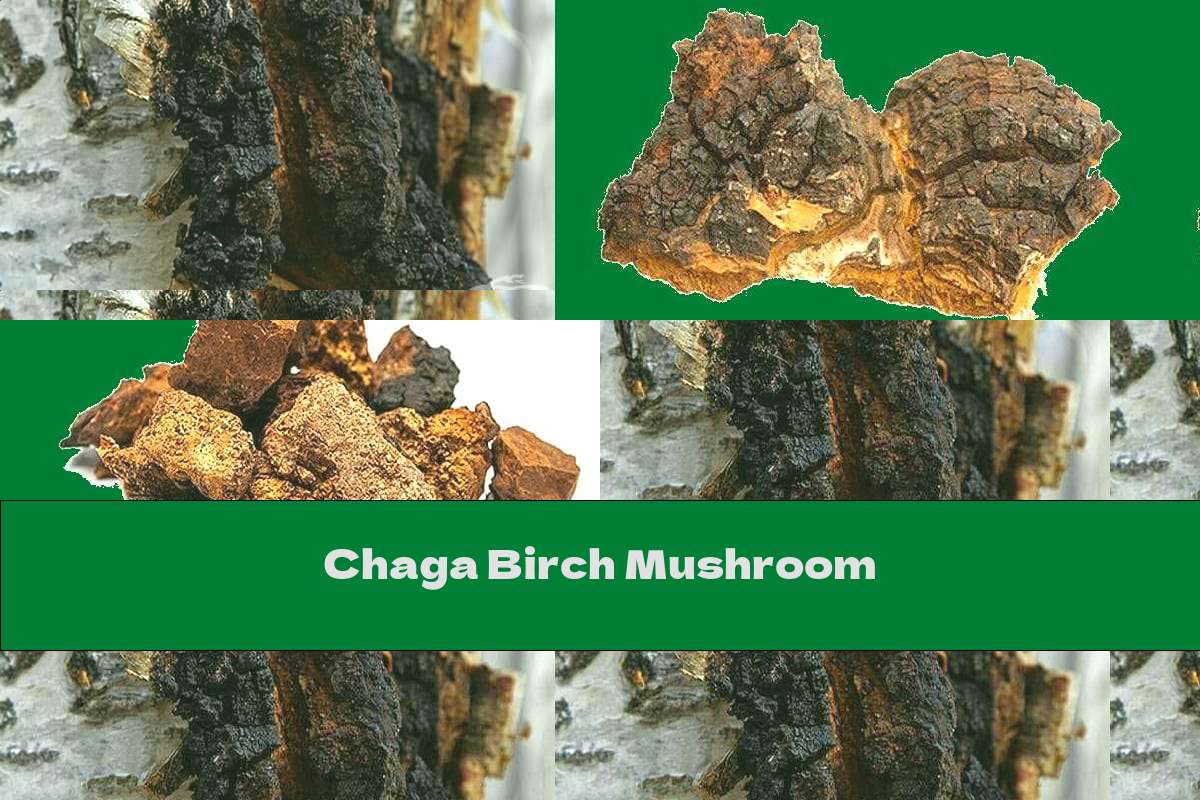
Chaga birch fungus grows on the bark mostly on birches (but is also found on other trees), has an irregular and unattractive shape. The sponge is black and the inside changes color to dark brown. It is found in the forests of Korea, Russia, North America, Canada and Eastern Europe.
The plant has healing properties, so it is no coincidence that in Siberia it is defined as "King of Plants", "Mushroom of Immortality", "Gift of the Gods", in Japan - "The Diamond of the Forest".
Composition
The flesh of the mushroom contains all kinds of acids (formic, butyric, oxalic, acetic and others), tannins and minerals, polysaccharides, melanin, lipids, alkaloids, phytoncides, flavonoids and cellulose. Due to its composition, it has a beneficial effect on the human body.
Healing properties:
- improves the general condition, increases the body's immunity and resistance to infectious diseases;
- calms the nervous system, fights restless sleep, insomnia and mental illness;
- normalizes metabolic processes;
- prevention is against the development of malignant tumors, used in the treatment of existing ones;
- therapy is for diseases of the intestines, liver, stomach, lungs and urinary tract;
- improves the condition of psoriasis, eczema, acne, frostbite and burns;
- raises blood pressure, used in anemia;
- improves vision;
- prevention is against women's diseases, is used in the treatment of such;
- slows down the aging process;
- improves appetite;
- reduces pain;
- lowers blood cholesterol levels;
- fights inflammatory processes;
- has hemostatic, choleretic and diuretic properties.
From mushroom Chaga prepare tea, alcoholic infusions, decoctions, bath solutions, ointments (ointment) and oils.
While taking products that contain the mushroom, it is good to change some eating habits, limiting the consumption of certain foods and beverages and emphasizing others:
- to exclude from the menu all smoked, canned and fried products;
- to limit the consumption of meat and meat products;
- not to abuse spicy food, including onions and garlic;
- to avoid sweets;
- smoking and alcohol are strictly forbidden.
- enrich the diet with fruits, vegetables and dairy products.
Contraindications and side effects
Excessive use of Chaga mushroom in various forms can lead to digestive disorders and nervous excitability. Symptoms resolve after dose reduction or discontinuation.
Pregnant and lactating women and children should not use birch sponge, because in the developing organism and in the body of the future mother there is a process of active cell division, and the product stops their development and growth.
The use of Chaga is not recommended during treatment with antibiotics, glucose intake, dysentery, colitis and diarrhea.
Today in the pharmacy network can be found both the dried mushroom in the form of tea and various food supplements that contain it, but in the presence of serious health problems it is necessary to consult a doctor before switching to their use.
Do not use in case of individual intolerance.
- Birch sap
Related Articles
- The Power of Mushrooms: Nutritional Benefits and Delicious Recipes
- The Power of Mushrooms: Nutritional Benefits and Recipes
- Nutritional Benefits of Champignon Mushrooms: A Guide to Healthy Eating
- Nutritional Benefits of Champignon Mushrooms: A Complete Guide
- Nutritional Benefits of Champignon Mushrooms: A Complete Guide