Chestnuts - Useful And Harmful Properties
 Author: Ivan Red Jr.
Time for reading: ~6
minutes
Last Updated:
August 08, 2022
Author: Ivan Red Jr.
Time for reading: ~6
minutes
Last Updated:
August 08, 2022
CHAPTERS (Table Of Contents)
Chestnuts are rich in starch nuts with a very pleasant sweet taste. They are low in calories and low in fat. They are a rich source of starch, proteins, minerals, vitamins and phytonutrients, providing the body with many benefits.
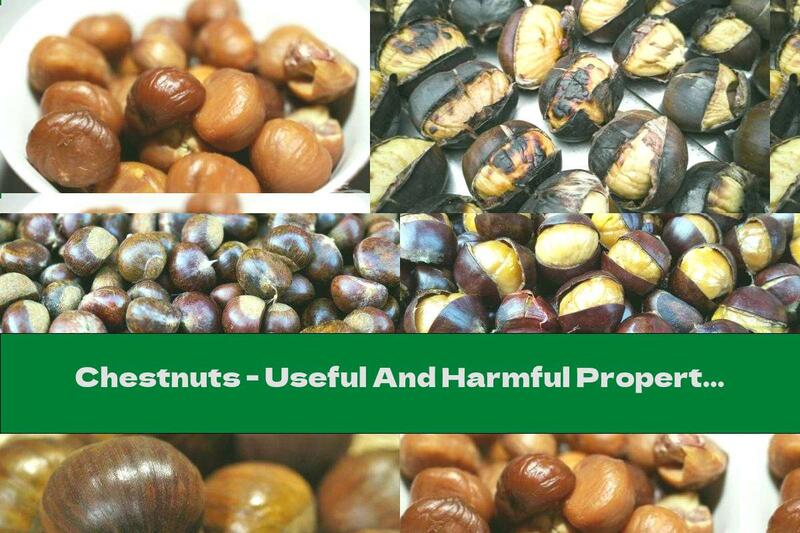
Chestnuts are rich in starchy tree nuts with a very pleasant sweet taste. Their fruit is much larger than other nuts such as cashews and macadamia nuts. Each chestnut has a smooth, shiny, dark brown outer shell. The interior has a distinctive creamy white color. They are consumed after heat treatment due to their high content of tannic acid, which gives a bad taste in the mouth after eating.
They are grown in the mountain forests of China, Japan, Europe and North America. Botanically they belong to the family of beech (Fagaceae), genus Castanea. Their scientific name is Castanea sativa, which means sweet chestnuts. There are 4 known species - European, Japanese, Chinese and American, which differ significantly from each other.
Chestnuts are very tasty, especially roasted or candied, they are also used raw and cooked, in flour, confectionery, alcohol, coffee drinks and more. Unfortunately, the fruits are not durable for a long time and spoil quickly.
Nutritional value of chestnuts
Chestnuts stand out from other edible nuts with their distinctive nutritional profile. They are low in calories and low in fat. They are a rich source of carbohydrates (mainly starch), proteins, minerals, vitamins and phytonutrients, which provide the body with many benefits.
The leaves of edible chestnut (there is also inedible poisonous) contain many glycosides, pectin and tannins, vitamins K, A, C and group B.
The cotyledons (first leaves) of these nuts are fleshy, light cream, rich in starch (up to 62%), sugars (up to 17%), protein (up to 60%), contain fat (2 - 2.5%), organic acids , vitamins, enzymes. They are extremely rich in vitamin C - 100 grams of nuts provide 43 mg of vitamin C (72% of daily requirement). The bark, buds and leaves contain 10-16% tannins.
They are an excellent source of dietary fiber, providing 8.1 grams (about 21% of daily requirement) per 100 grams. A high-fiber diet helps lower blood cholesterol levels by limiting the absorption of excess cholesterol in the gut.
Chestnuts are rich in folic acid (vitamin B9) - 100 grams of nuts provide the body with 62 mcg (15.5% of daily requirement). Vitamin B9 is essential for red blood cell formation and DNA synthesis. Adequate intake of foods rich in this vitamin during the period of conception prevents the development of neural tube defects in the newborn.
Chestnuts are a very good source of monounsaturated fatty acids such as oleic and palmitic. Studies show that monounsaturated fats in the diet help lower the levels of total and bad (LDL) cholesterol and increase the levels of good (HDL) cholesterol in the blood. The Mediterranean diet is rich in fiber, monounsaturated fatty acids, omega fatty acids and antioxidants. It helps prevent coronary heart disease and stroke by promoting a healthy blood lipid profile.
Chestnuts are an excellent source of minerals such as iron, calcium, magnesium, manganese, phosphorus and zinc. In addition, they contain large amounts of potassium - 518 mg per 100 grams of product. Potassium counteracts the hypertensive effect of sodium, lowers heart rate and blood pressure. The iron in nuts helps prevent the development of iron deficiency anemia (microcytic). Magnesium and phosphorus are major components of bone metabolism.
These edible nuts contain large amounts of B vitamins. 100 grams contain 11% niacin (B3), 29% pyridoxine (B6), 100% thiamine (B1) and 12% riboflavin (B2). They do not contain gluten, which makes them suitable for addition to diets designed for people with protein sensitivity, wheat allergy and celiac disease.
Chinese chestnuts (C. mollissima) are a good source of vitamin A, providing 202 IU per 100 grams of product.
Useful properties of chestnuts
1. Protect against diabetes
Dietary fiber in chestnuts helps regulate blood sugar levels in people with diabetes. Fiber-rich foods are considered foods with a low glycemic index because they raise blood sugar levels more slowly and smoothly. This is especially important for diabetics, as the treatment of the disease is related to sugar control. Chestnuts can help prevent the development of the disease.
2. Strengthen the immune systemThe high content of vitamin C and antioxidants in nuts makes them a particularly good food, strengthening the immune system. Vitamin C helps stimulate white blood cells, which are especially important for the immune system as they fight disease-causing agents in the body. This vitamin is needed for the formation of the intercellular substance (matrix) in the teeth, bones and blood vessels. And as a strong antioxidant it protects the body from harmful free radicals.
3. Increase bone mineral densityA common problem in aging people is osteoporosis, which occurs as a result of bone loss and manifests itself in the form of weak bones and joint pain. One way to prevent this condition is to include chestnuts in your diet, as they contain magnesium, which plays an important role in increasing bone mineral density and keeping them healthy. Chestnuts also contain large amounts of copper - a mineral with a very important role in the absorption of iron, bone strength and overall health.
4. Other benefits- Relieve digestive problems
Dietary fiber helps food move faster through the digestive tract.
- Improve cognitive function
Chestnuts have a direct effect on the brain and cognitive function. Because they contain large amounts of different types of vitamins, they can help with better focus and better memory. These vitamins are associated with the development of the brain and its function, so chestnuts are a great addition to the diet not only for adolescents but also for adults.
Chestnuts also contain potassium, which is known to increase blood flow to the brain, keep it well saturated with oxygen, and have a positive effect on the overall health of the nervous system. This also contributes to better concentration and memory.
- Benefits of folk medicine
In folk medicine, a decoction or infusion of the product is used as a hemostatic agent for internal bleeding.
Decoction of dried chestnuts and infusion of the leaves are used in inflammation of the upper respiratory tract, fresh leaves are an excellent remedy for whooping cough. Nuts and peel are used in diseases of the gastrointestinal tract, edema associated with kidney problems, nosebleeds. Externally, a decoction of chestnuts is used for compresses for abscesses and boils, and an alcoholic infusion of dried flowers of the plant is recommended for chronic dysentery and catarrh of the bladder.
Decoction or infusion of the parts of the chestnut, containing tannins, are used in folk medicine and as a means of tightening, wound healing and burns.
The fruits are taken for varicose veins, acute and chronic thrombophlebitis, trophic ulcers of the lower extremities, peripheral circulatory disorders, inflamed hemorrhoids without bleeding. Fresh chestnuts are used for chronic diarrhea and malaria, and roasted - for uterine bleeding and bleeding hemorrhoids.
Selection and storage of chestnuts
Chestnuts are grown in the cold months, are available fresh in the markets from October to March and are most preferred in December. They can also be purchased all year round, packed in vacuum packs. Because they are rich in starch and contain less fat than other nuts, they tend to spoil much faster if exposed to a longer period of air and very humid conditions.
If the inside of the nut is creamy white, then the chestnuts are fresh, but if they have greenish mold, then they are spoiled and should not be consumed. After purchasing chestnuts from the store, they should be transferred to a perforated bag and placed in the refrigerator at high relative humidity, so they will stay fresh for several weeks.
Side effects from and contraindications to the consumption of chestnuts
As with most nuts, chestnuts can also cause allergies. People who are prone to allergies or have an allergy to nuts should be sure to consult a doctor before consuming them.
Some of the symptoms of chestnut allergy are eczema, rashes, itching and even difficulty breathing. In some people, contact dermatitis can occur due to itching and a rash on the skin immediately after touching chestnuts.
People prone to gaining weight should not overdo the consumption of roasted chestnuts, because they are rich in carbohydrates and starch.
Despite all the beneficial properties that these nuts provide to the body, all side effects and risk factors must be considered before adding them to the diet.
Related Articles
- The Role of Sodium Methyl Para-Hydroxybenzoate in Nutrition: Preservative Properties & Health Concerns
- The Role of Functional Properties in Muffins: Nutrition, Diets, and Recipes
- The Functional Properties of Muffins in Nutrition: A Comprehensive Guide
- Nutritional Benefits of Functional Properties in Muffins: A Comprehensive Guide
- Functional Properties of Muffins in Nutrition: A Complete Guide
Top Nutrition Articles Today
- . Foods Containing Carrageenan: A Comprehensive Guide for Your...
- . Foods For A Regular Stomach
- . The Truth About Potato Chips: Health Effects and Alternative...
- . Medicinal Drinks For Colds
- . The Nutritional Benefits of Figs: A Fiber-Rich Fruit Packed...
- . How To Cook Pork Liver And Mushrooms In Cream Sauce With Che...
- . List of Foods that Contain Carrageenan: A Guide to Avoiding...
- . Camel Meat
- . The Ultimate Guide to Creating a Well-Structured Diet Plan f...
- . Highest Calorie Foods In The World