Chia (whose) Seeds - Benefits And Harms
 Author: Mark Velov
Time for reading: ~5
minutes
Last Updated:
August 08, 2022
Author: Mark Velov
Time for reading: ~5
minutes
Last Updated:
August 08, 2022
CHAPTERS (Table Of Contents)
Chia seeds are a low-calorie, high-fiber, vitamin and protein super food. They do not contain gluten. They help effectively in the fight against excess weight and regulate blood sugar levels.
Chia seeds are an excellent source of Omega-3 fatty acids, dietary fiber, vitamins and proteins, they are low in calories. Due to their high nutritional value, they are an indispensable product for health and beauty. "Native" are from Central and South America. Today they are widely used as a super ingredient in many diets and are a guarantee of good health.
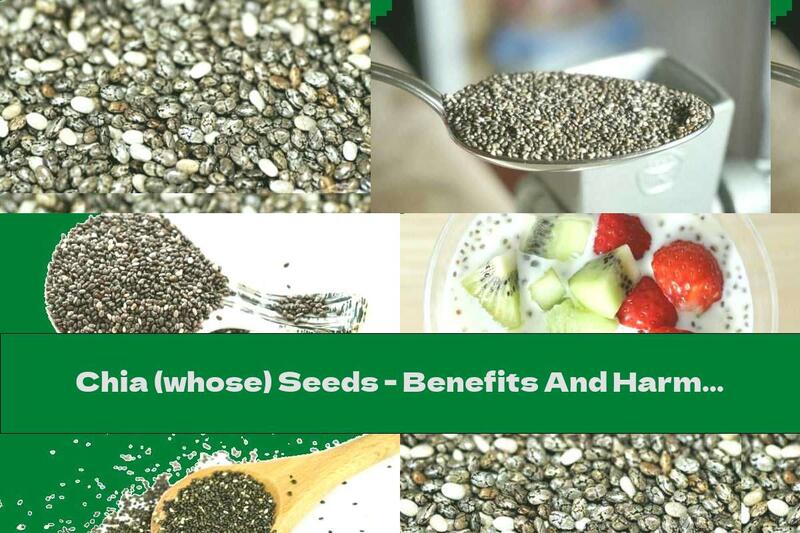
Chia seeds are small edible black seeds of the plant Salvia hispanica. They were an important food for the Aztecs and Mayans. The name "chia" comes from the Mayan language and means "strength", as this people believed that the consumption of their seeds gave them a lot of strength.
Nutritional composition of chia seeds
According to some scientists, chia is the most valuable plant source of omega-3 acids, richer even than salmon. In addition, it is an exceptional "protein" plant, as 100 grams of it contains about 17 grams of pure protein and 150% of the required daily amount of dietary fiber for the body. High protein intake reduces appetite and has been shown to reduce food cravings by 60% and midnight eating by 50%. Chia seeds are a great source of protein, especially for vegans and vegetarians. Chia is not GMO and naturally does not contain gluten.
These small seeds have more cellulose than flax and wheat, and the vitamin B3 in the seeds is at least twice as much as any other product. Calcium is 5 times more than in milk, 2 times more potassium than the amount of the element in bananas, three times more iron than spinach and has 15 times more magnesium than broccoli. About 20% protein, 34% oil, 25% fiber and many, many more useful nutrients.
One serving of 28 grams of chia seeds contains the following nutrients:
- 137 calories;
- 1 gram of carbohydrates;
- 11 grams of fiber;
- 4 grams of protein;
- 9 grams of fat (of which 5 grams of omega-3 fatty acids);
- Trace elements : manganese (30% of DP *); magnesium (30% of DP *), phosphorus (27% of DP *), zinc, calcium (18% of DP *), potassium;
- Vitamins : vitamin B1 (thiamine), B2 (riboflavin), B3 (niacin).
This is a particularly impressive nutritional profile, given that a serving of 28 grams is equal to about 2 tbsp. This small amount provides only 137 calories and 1 gram of digestible carbohydrates.
The product is known for the large presence of Omega-6 fatty acids needed in the menu of every person.
Chia is a suitable food for people who do not eat milk and milk products, as it is a great source of calcium.
The seeds also contain many antioxidants, more than fresh blueberries. Therefore, in winter they are an excellent substitute for summer seasonal fruits. Antioxidants protect the fat in the seeds from rancidity. They fight the production of free radicals, which can damage cell molecules and contribute to their aging and diseases such as cancer.
Useful properties of chia seeds
Studies show that regular use of chia (2-3 tablespoons per day):
1. Helps to lose weight easier because the body is more saturated and there is no risk of overeating;Mixing with water, chia seeds increase their volume 12 times, thus filling the stomach and giving a feeling of satiety. Fiber helps digestion and improves metabolism.
A 6-month study of obese people with type 2 diabetes on a low-calorie diet found that daily intake of chia seeds resulted in significantly greater weight loss than placebo.
The diet for weight loss in combination with other healthy habits, good sleep and regular physical activity are key factors for achieving lasting results in the fight against excess weight.
2. Reduces chronic inflammationInflammation is a normal protective reaction of the body to an infection or injury, characterized by red and swollen skin. The body unlocks processes of healing and repairing the area affected by bacteria, viruses or other infectious agents.
Chronic inflammation is associated with an increased risk of heart disease and cancer. It often has no visible signs, but can be determined by measuring the markers of inflammation in the blood. Some healthy foods such as chia can reduce the levels of these markers.
Unhealthy lifestyle habits (smoking, lack of exercise or unbalanced diet) increase the risk of chronic inflammation.
3. Other benefits- Chia seeds are extremely good for skin and hair;
- Purify the body;
- Stabilize blood sugar levels;
- They dilute the blood, thus reducing the risk of blood clots;
- Reduces the risk of developing cardiovascular disease by 80%;
- Normalizes high blood pressure;
- Significantly reduce the level of "bad" cholesterol in the blood.
How to consume chia seeds?
The seeds themselves have a very light and delicate taste, so they can be added to many recipes. They do not need to be ground like flaxseed before consumption, which makes them much easier to prepare.
They can be eaten raw, soaked in water or juice, added to porridges, puddings or smoothies. They are used in the preparation of various dishes and pastries, added as a sprinkle on vegetable salads, yogurt, cereals or rice.
Due to their ability to absorb water and fat, they can be used to thicken sauces and as a substitute for eggs in recipes. Mixed with water they turn into a gel. Adding them to recipes increases the nutritional value of the product.
Contraindications to chia seeds
People who are not used to consuming fiber in larger quantities have the opportunity to get some digestive side effects. The recommended dose is 20 grams (about 1 1/2 tablespoons) of chia seeds twice a day.
1. May cause obstruction of the esophagusThey should be consumed with caution, especially by people who have difficulty swallowing. Dry seeds should not be taken and liquid should not be taken afterwards, as this may cause choking and obstruction of the esophagus. The seeds should be soaked for at least 5-10 minutes before consumption.
2. Allergic reactionSome people may get an allergic reaction after eating chia seeds. Allergic symptoms are vomiting, diarrhea and itching of the lips or tongue. In some cases, anaphylaxis occurs, a life-threatening condition characterized by difficulty breathing and tightness in the throat and chest.
If you are consuming chia seeds for the first time and experience any of the symptoms of a food allergy, stop consuming them immediately and consult your doctor.
3. Consuming too much chia seeds can interact with some medicationsChia lowers blood sugar levels due to the fiber it contains. Consumption of these seeds in moderation can help people with diabetes keep their blood sugar levels under control.
However, insulin doses are personalized and carefully calculated to prevent drops and spikes in blood sugar. Excessive eating of chia can lead to lower blood sugar levels and require adjustments in the dosage of diabetes medications.
Chia contains omega-3 fatty acids, which have been shown to act as a blood thinner and can lower blood pressure. People with high blood pressure can use chia to lower blood pressure. However, it should be noted that they may increase the activity of some blood pressure medicines, which can lead to hypotension or low blood pressure.
Related Articles
- The Power of Honeysuckle: Health Benefits and Recipes
- Fruitskewers in Honey Syrup: Nutritional Benefits and Recipes
- The Ultimate Guide to Buffer 500 in Nutrition: Benefits and Usage
- Nutritional Benefits of Fruit Skewers in Honey Syrup: A Delicious and Healthy Recipe
- Nutrition Guide: Fruitskewers in Honey Syrup - Benefits, Recipes, and More
Top Nutrition Articles Today
- . Nutrition In Hyperopia (farsightedness)
- . How To Cook Lunch For School: Pizza, Salad, Raw Candy, Pear,...
- . What To Cook With Sweet Potato
- . The Role of Nitrogen in Nutrition: Importance and Sources
- . 5 Recipes For Potato Casserole In The Oven
- . Understanding Cholesterol in Nutrition: Impact, Types, and R...
- . Cooking A Festive Dinner In A Slow Cooker
- . How To Fry A Potato With A Crust
- . How To Make Easy Potato Salad
- . Nutritional Benefits of Fruit Skewers in Honey Syrup: A Heal...