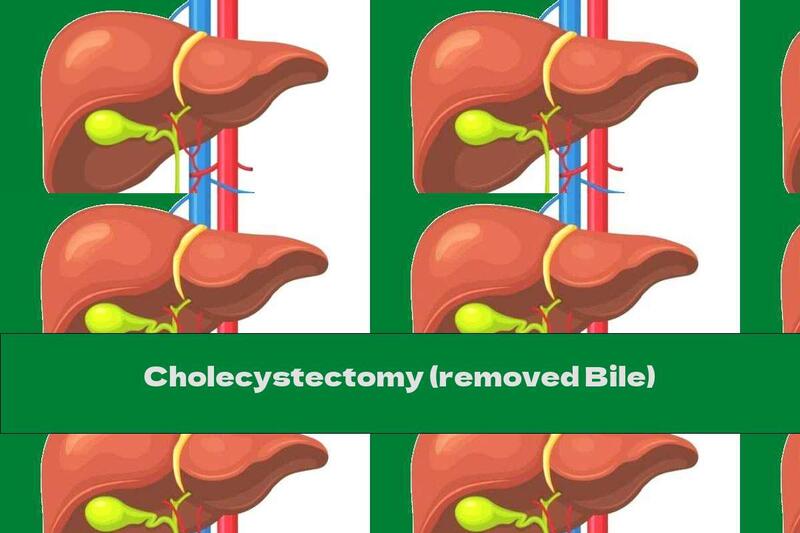
Cholecystectomy (removed Bile)
 Author: Mark Velov
Time for reading: ~3
minutes
Last Updated:
August 08, 2022
Author: Mark Velov
Time for reading: ~3
minutes
Last Updated:
August 08, 2022
CHAPTERS (Table Of Contents)
After removal of the gallbladder, it is necessary to follow a diet for life, as the body no longer has the reservoir in which the bile fluid has accumulated.
After removal of the gallbladder, lifelong adherence to a diet is required, as the body no longer has the "reservoir" in which bile has accumulated. Therefore, continuous unloading is required, ie release, which is achieved with the help of food. This means that the more often a person eats, the less stagnant bile stagnates in the bile ducts.
When bile is removed, the bile must be constantly separated from the bile ducts. Fluid retention will lead to inflammation. Therefore, people who have undergone such an intervention have to adhere to certain rules regarding nutrition, especially in terms of its frequency. It should be at least 5 times a day, as bile is released into the intestines only after eating.
In addition, after the removal of the gallbladder, the amount of enzymes in the bile that contribute to the breakdown of fats is reduced. Therefore, fats of animal origin should be excluded from the menu of people whose bile has been removed (lard, beef and lamb tallow). Vegetable and milk fats do the exact opposite - they contribute to the rapid excretion of bile.
How to eat and how to prepare meals with bile removed?
Food should be steamed, boiled or stewed. Fried foods contain substances that activate the secretion of digestive juices and irritate the lining of the gastrointestinal tract. Such intense digestion is harmful in the absence of a gallbladder.
Of course, as already mentioned, feeding should be at least 5 times a day and preferably at the same time.
What products can be consumed with bile removed?
For the preparation of soups, lightly concentrated vegetable broths are used, in which cereals are added. Main dishes include lean beef or chicken. It is recommended to eat fish (lean species) 1-2 times a week. Especially useful is sea fish, it contributes to the absorption of fat.
For breakfast and dinner it is suitable to season dairy products and foods made from cottage cheese (casserole, puddings, etc.) with skim cream.
Omelettes and soft-boiled eggs can be eaten, but not hard-boiled.
Of course, you can not do without fat, because they are actively involved in all metabolic processes in the body, but vegetable and cow's oil are recommended.
The menu of people with removed bile should include porridge (rice, oats, buckwheat, barley), as well as vegetables and sweet fruits (sour varieties are excluded). Suitable for consumption are carrots and pumpkin, which can be prepared alone or added to porridge. Watermelons and melons are useful, they are diuretics, therefore they remove toxins from the body. For dessert you can eat jam, jams, marmalades and honey.
Which foods should not be consumed during cholecystectomy?
- products that irritate the lining of the gastrointestinal tract - spices, onions, garlic, radishes, mushrooms; meat, fish and mushroom broths; sour, spicy, spicy and smoked foods; canned and marinated products, pickles;
- fatty meats, poultry and fish;
- confectionery - sweets, cakes, sweet carbonated drinks, etc .;
- beans, peas, whole grain breads and other foods high in crude fiber;
- cold products - ice cream, for example - lead to spasms of the bile ducts.
Side effects after removal of bile
In the first few weeks after medical intervention, some people experience the following postprandial ailments:
- increased gas formation;
- digestive problems;
- bloating;
- frequent bowel movements;
- diarrhea.
20% of people complain of diarrhea after removal of the organ, which usually subsides over time. The percentage of cases in which the problem has been observed for several years is low.
If you suffer from diarrhea after cholecystectomy , you pass more often than normal or vice versa - less often, the following recommendations will be useful (depending on the case):
- increase the amount of products high in dietary fiber (for example, brown rice);
- avoid foods and foods that could lead to the disorder (dairy, spicy and fatty foods);
- refrain from beverages containing caffeine (tea, coffee).
Remember that the most accurate advice and recommendations on nutrition can be obtained from a doctor familiar with your individual condition.
- Nutrition in diseases of the bile
- What to "feed" the bile
- Cholangitis
Top Nutrition Articles Today
- . Breakfast Pizza
- . The Ultimate Guide to Metataric Acid in Nutrition: Sources,...
- . 7 Foods That Stimulate The Release Of Serotonin And Dopamine
- . The Truth About Potato Chips: Health Effects and Alternative...
- . Calories In A Piece Of Bread
- . Health Benefits Of Vitamin C
- . Night Nutrition: Importance, Benefits, and Best Foods to Eat
- . Sardines - Good For Bones
- . Sushi For Beginners. How Easy It Is To Spin Sushi Rolls
- . When Is It Better To Eat Fruit?