Dark Green Vegetables Fight Anemia In The Spring
 Author: Dean Rouseberg
Time for reading: ~3
minutes
Last Updated:
August 08, 2022
Author: Dean Rouseberg
Time for reading: ~3
minutes
Last Updated:
August 08, 2022
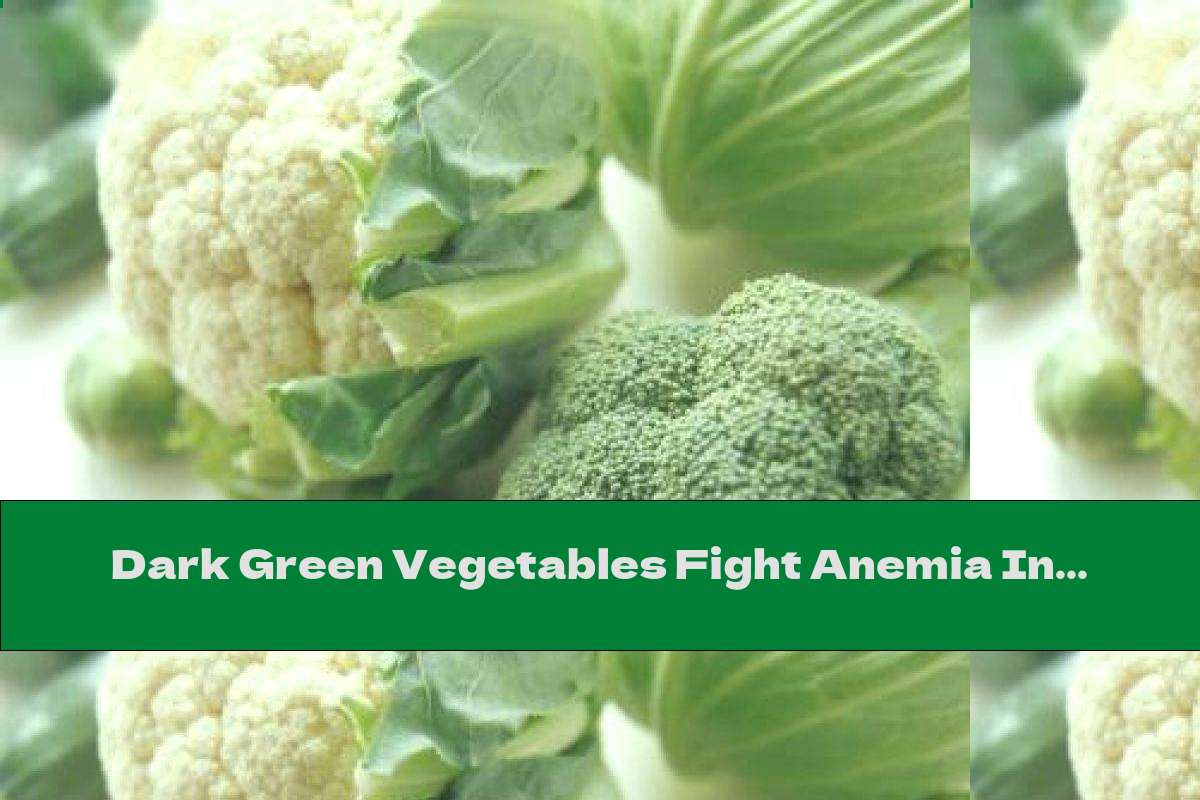
Anemia is a pathological condition in which the concentration of hemoglobin or red blood cells (red blood cells) in the blood decreases.
Anemia is a pathological condition in which the concentration of hemoglobin or red blood cells (red blood cells) in the blood decreases. Doctors explain that women are more susceptible to this condition than men. The reasons for this are the peculiarities of their sex, such as menstruation or childbirth, in which a large amount of blood can be lost.
Experts warn that a person can develop anemia at any age and does not necessarily have a concomitant disease. It is possible that the disease accompanies some physiological state - pregnancy, increased growth, breastfeeding.
Anemia can also develop during puberty or menopause, as well as various hormonal problems, autoimmune diseases, after major surgery and more. Sometimes anemia is a sign of infection or cancer.
General symptoms of anemia are associated with pale skin, palpitations, headache, weakness, and cold extremities. In addition, anemic people often become drowsy, irritable, tired. Sometimes they experience dry mouth or burning in the throat, lack of appetite. As a result, a person's ability to work physically and mentally weakens. Prolonged anemia can even lead to an increase in the mass of the heart muscle, which in turn can cause more severe heart problems.
More than 50 types of anemia are known. The most common of these is iron deficiency anemia . In this condition, the skin becomes pale and dry, the nails - brittle, and breathing and heart rate are rapid. This type of anemia is caused by a lack of iron that enters the body.
The reasons for iron deficiency can be different. The main ones are heavy menstruation in women, bleeding from the gastrointestinal tract, impaired absorption of iron in diseases of the stomach. In children, the reason for the development of this type of anemia is malnutrition. Iron deficiency anemia can also develop in infectious diseases, cancer, kidney disease and others. With severe iron deficiency anemia in a pregnant woman can lead to premature birth, premature detachment of the placenta, chronic oxygen starvation of the fetus and others.
Iron deficiency anemia is most dangerous in babies, especially if they have been premature or born prematurely. The reason is that during this period young children grow up fast and need more iron. The greatest danger exists for those children who are fed cow's milk at an early age because there is not enough iron in it. It is no coincidence that breastfeeding is increasingly recommended to continue at least until the 6th month. Iron from breast milk is absorbed twice as efficiently by the baby's body as it is from cow's milk. If it is impossible or unwilling to breastfeed, babies should be fed iron-fortified milk, pediatricians advise.
If measures are not taken and anemia is not treated in time, children walk and talk later than their peers. In addition, they are more likely to suffer from infectious diseases due to their reduced immune function.
Another type of anemia is that caused by rapid blood loss due to a deep wound, hemorrhage, or a severe ruptured birth. An adult has about 4-5 liters of blood. A healthy individual can easily lose up to one-fifth of the valuable fluid. However, the leakage of 30% of the blood can cause acute shock, in which the brain is not supplied with enough oxygen. If the blood loss is more and no emergency measures are taken, a person may die.
In order to determine the type of anemia, it is necessary to perform special tests such as hemoglobin level, serum iron, complete biochemical blood test and others.
To avoid anemia, doctors recommend eating more foods rich in iron, honey and vitamin C. These include dark green vegetables (spinach, broccoli), carrots, cheese, eggs, seafood and fish. They are rich in iron and other important minerals that help build blood plasma and hemoglobin.
It is recommended to include liver, tender beef and mutton, fish, egg yolk, dried fruits, soy products, molasses and honey in the menu.
Eat large amounts of onions, garlic, beans, peas, nuts, seeds, green leafy vegetables (without spinach) and herbs (parsley, nettle, coriander leaves and dandelion).
In order to stimulate the absorption of iron by the body, foods rich in vitamin C should also be consumed. It is good to drink a glass of orange juice when eating.
If possible, vegetables should be eaten raw or lightly cooked.
Related Articles
- The Power of Allium Vegetables: Health Benefits and Recipes
- The Nutritional Benefits of Fast Green FCF: A Complete Guide
- The Ultimate Guide to Panera Green Goddess Dressing: Benefits, Recipes, and More
- The Nutritional Benefits of Lettuce: A Guide to Including This Leafy Green in Your Diet
- The Power of Green Peas: Nutritional Benefits and Recipes
Top Nutrition Articles Today
- . Steroids in Eggs: Separating Fact from Fiction | Nutrition a...
- . 30 Grams Of Carbs
- . Are Simple Sugars The Culprits For Most Diseases
- . Understanding Acidity Regulators in Nutrition: Types, Benefi...
- . Black Chickpeas Nutrition
- . Nutrition In Urethritis (inflamed Urethra / Urethra)
- . The Power of 100% Cocoa Dark Chocolate: Benefits and Uses
- . Breastfeeding A Baby With Low Blood Sugar
- . How To Cook Caramel Cream Mousse (for Cakes And Pastries) -...
- . Flatizza: A Healthier Alternative to Traditional Pizza