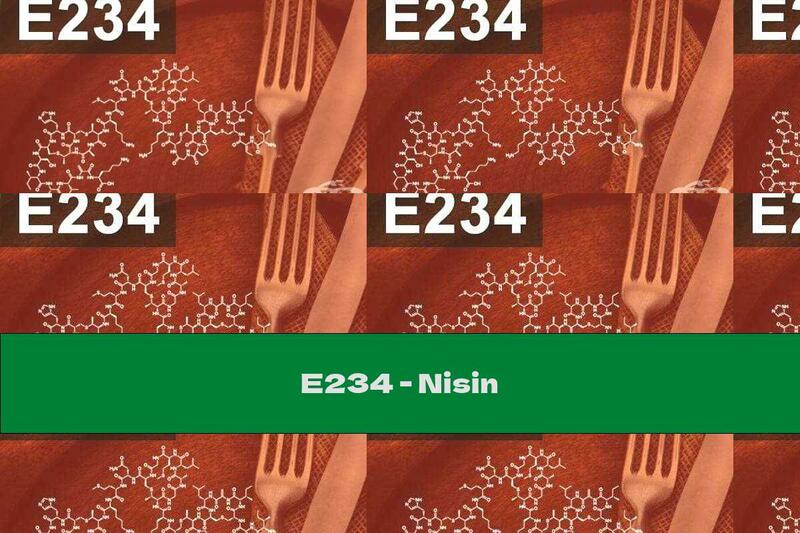
E234 - Nisin
 Author: Victoria Aly
Time for reading: ~1
minutes
Last Updated:
January 27, 2026
Author: Victoria Aly
Time for reading: ~1
minutes
Last Updated:
January 27, 2026
CHAPTERS (Table Of Contents)
Characteristics: Food supplement E 234 (or nisin) is a peptide antibiotic, a protein formed by the microorganism Streptococcus lactis. It is obtained by fermentation with the help of the bacterium Lactococc
Characteristic
Dietary supplement E 234 (or nisin) is a peptide antibiotic, a protein formed by the microorganism Streptococcus lactis. It is obtained by fermentation with the help of the bacterium Lactococcus Lactis on the basis of natural substrates (glucose, milk). Nisin dissolves well in water, which significantly expands its range of application. It is a light powder (from white to beige). The preservative contains amino acid residues that are not found in other proteins. Additive E 234 inhibits the growth of gram-positive bacteria, including such as steptococci, staphylococci and others, but is not effective in combating gram-negative bacteria, mold and yeast. Refers to low-hazard substances.
Use
Nisin is actively used in the food industry for processing dairy and meat products, in the production of cheese, butter, confectionery, canned mushrooms, green peas and other legumes. Due to its properties, the preservative E 234 reduces the time for heat treatment of the products, reduces the temperature effects, preserving more useful substances. For example, beta-carotene is completely preserved when the supplement is added, and the content of vitamin C is reduced by about 30%. In addition, E 234 is used in the transport of dairy products, in wine maturation, in sausage and cheese casings. In medicine it is used as an antibiotic.
Impact on humans
Like many antibiotics, lowland is able to kill not only harmful bacteria but also beneficial ones. For this reason, excessive consumption of products containing the additive is not recommended. The allowable daily dose of nisin for the human body is 3000 units per kilogram of body weight. The food supplement is approved for use in many countries around the world.
Top Nutrition Articles Today
- . Health Benefits And Harms Of Cocoa, How To Drink, Recipes
- . Steak Label
- . Nutrition By Blood Type: Table Of Allowed And Prohibited Foo...
- . Grapefruit - For Colds And Flu
- . Myra E: Benefits for Nutrition, Diets, and Recipes
- . The Ultimate Guide to Potassium Nitrate in Nutrition
- . How To Freeze Quince
- . The Ultimate Guide to Hickory Smoked Bacon in Nutrition and...
- . The Role of Sodium Malate in Nutrition: Benefits, Concerns,...
- . The Truth About Potato Chips: Health Effects and Alternative...