E250 In Food Protects Against Botulism, But Leads To Anemia
 Author: Karen Lennox
Time for reading: ~2
minutes
Last Updated:
August 08, 2022
Author: Karen Lennox
Time for reading: ~2
minutes
Last Updated:
August 08, 2022
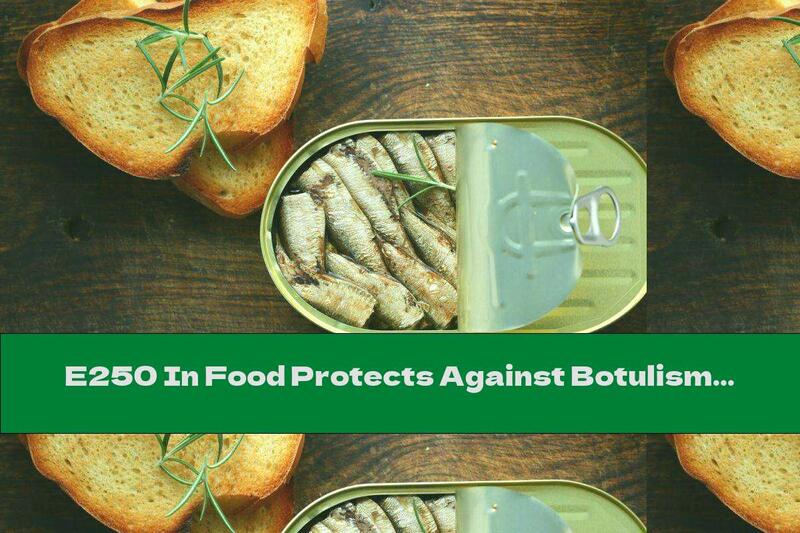
In this article, learn more about E250 In Food Protects Against Botulism, But Leads To Anemia. Code E250 on food indicates sodium nitrite - very dangerous in large doses..
Behind the E250 code on the food label is a substance that is as much appreciated as it is rejected in medical circles. This is the reason why it is approved for use as a food additive in both the European Union and the United States, but its use in food is subject to strict control over the quantities used.
E250 is the code used to denote sodium nitrite ( NaNO2 ) . In its natural form, it is a color-yellowish powder with very good solubility in water. Its designation with code E and first digit 2 indicates that in the food industry sodium nitrite is used as a preservative to extend the shelf life of treated foods and inhibit the growth of dangerous microorganisms on them.
Sodium nitrite is used in the processing of meat and fish foods, subjected to smoking, drying or canning . The substance has a proven preservative effect, destroying any pathogenic bacteria that may have gotten on meat or fish. E250 is used as a guarantor against the development of bacteria of the species Clostridium botulinum . They grow in an oxygen-free environment and excrete the deadly botulinum toxin in food , which can cause botulism.
The preservative role of E250 is complemented by its ability to inhibit the oxidation of fats in meat and fish products and to protect them from rancidity and deterioration of taste. This very useful food-preserving function of sodium nitrite is complemented by another of its beneficial effects. It is used alone in medical practice as an antidote in the treatment of cyanide poisoning and other toxins.
However, consuming high doses of sodium nitrite with food can lead to serious health problems. This is the reason why the use of E250 as a food supplement is strictly regulated.
The lethal dose of sodium nitrite in humans is about 70 mg per kilogram body weight. Any dose close to this, taken regularly with food, can provoke various health problems at any age. It has been shown that overeating E250 can lead to:
- Hyperactivity, allergic reactions and stomach problems in children;
- Methaemoglobinaemia - a condition in which the capacity of hemoglobin to carry oxygen is reduced and anemia or hypoxia can develop;
- Formation of carcinogenic products - it has been established that the heat treatment of foods containing E250 can lead to the formation of the so-called. nitrosamines. They react with DNA strands and cause irreversible damage (mutations) that can lead to cancer;
The potentially dangerous consequences of excessive sodium nitrite intake require food labels to be closely monitored by each consumer and to limit the consumption of those containing E250.
Related Articles
- Nutrition for Respiratory Health: Supporting Your Lungs with the Right Foods
- The Ultimate Guide to High Gluten Foods: Benefits, Sources, and Recipes
- The Ultimate Guide to High Gluten Foods: Effects, Benefits, and Recipes
- The Ultimate Guide to Lactic Acid in Nutrition: Benefits, Food Sources, and Recipes
- The Nutritious World of Wendy's Salads: A Healthy Fast Food Option
Top Nutrition Articles Today
- . The Relationship Between The Liver And Hemoglobin: We Unders...
- . List of Foods that Contain Carrageenan: A Guide to Avoiding...
- . 30 Grams Of Carbs
- . Foods High In Folate And B12
- . Lamb Kidneys
- . The Role of Nitrogen in Nutrition: Importance and Sources
- . The Role of K12 in Nutrition: Benefits, Sources, and Recomme...
- . High Lycopene Tomatoes
- . The Ultimate Guide to Bugs in Nutrition: Benefits, Types, an...
- . Sepsis