E355 - Adipic Acid
 Author: Karen Lennox
Time for reading: ~3
minutes
Last Updated:
January 27, 2026
Author: Karen Lennox
Time for reading: ~3
minutes
Last Updated:
January 27, 2026
CHAPTERS (Table Of Contents)
Characteristics: Adipic or hexanedioic acid is a dietary supplement that belongs to the group of antioxidants. Antioxidants are natural or synthetic substances that protect the pro
Characteristic
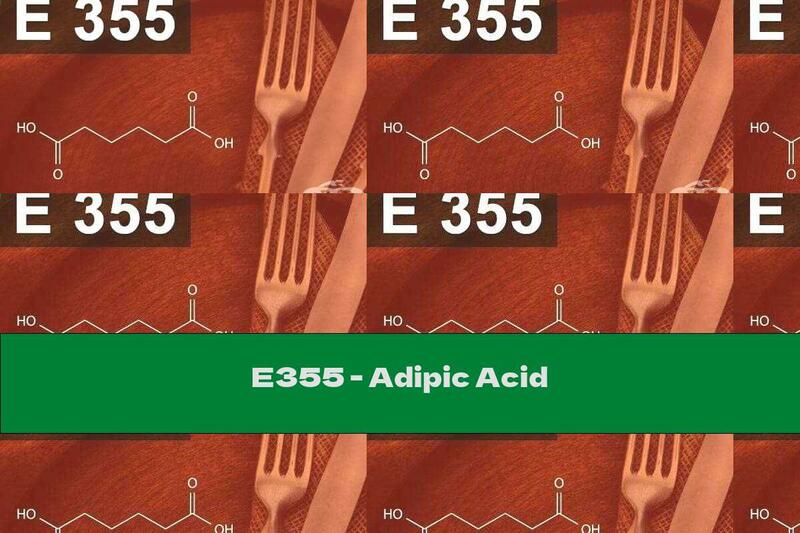
Adipic or hexanedioic acid is a dietary supplement that belongs to the group of antioxidants. Antioxidants are natural or synthetic substances that protect products from rancidity, oxidation and damage.
In appearance, E 355 is a white crystal formed by the oxidation of cyclohexane, which proceeds in two stages. The product is also obtained by the reaction of cyclohexane with nitric acid or nitrogen. Annually, 2.5 million tons of adipic acid are produced worldwide.
The status of the E 355 is unclear. It is on the list of EU-approved food supplements.
Adipic acid easily reacts with other trace elements. For example, the substance is highly soluble and crystallizes in water and in various alcohols. Under certain conditions and volumes, the substance reacts with acetic acid and hydrocarbons. The result is esters that find applications in various industries. For example, one of these essential substances is used specifically to increase the sour taste in foods.
Adipic acid is an antioxidant. The main purpose of its use is to protect cosmetic products that contain it from spoilage and oxidation. The resulting esters of adipic acid (diisopropyl adipate) are often included in creams designed to normalize the condition of the skin.
Use
Adipic acid can be used as an acidity regulator (usually added to beverages, caramel and other products to maintain the required pH), in flavored dry desserts (maximum 1 gram per kilogram), in jelly desserts (not more than 6 g / kg), in mixtures of powders for the preparation of beverages at home (10 g / kg), in fillings and additives for bakery and confectionery products (2 g / kg).
This acid is one of the main means of removing scale and excess material between ceramic tiles. Adipic acid is also used in light industry in the production of various artificial fibers (polyurethane). Adipic acid esters are part of skin care cosmetics.
Adipic acid is not a vital substance for the body. It is used only to improve the quality of food and the shelf life of the finished product.
Impact on humans
Like any overdosed product, dietary supplements can be harmful to health. This should not be denied and therefore it is necessary to use them in specific doses. Each substance affects the human body depending on its individual characteristics and the amount used. The effect of E 355 has not yet been fully studied. It has been found that adipic acid is not fully absorbed by the body: some of this substance is excreted in it and excreted in the urine and exhaled air. It is believed that a limited amount of this food supplement can be consumed.
Adipic acid is not produced in the body and is not a necessary ingredient for its functioning. The maximum allowable daily dose of acid is 5 mg / kg body weight. The maximum permitted dose of acid in water and beverages is not more than 2 mg / l.
Adipic acid enters our body along with food, as well as using certain household preparations. The field of work also affects the acid content. High concentrations of the substance in the respiratory tract can irritate the mucous membranes. Large amounts of adipic acid can enter the body in the production of polyurethane fibers. In order to avoid negative consequences for health, it is recommended to take all necessary precautionary measures in the enterprises and to observe the sanitary norms. The maximum permissible value of the substance in the air is 4 mg per 1 cubic meter.
The acid content in the body can only be found by passing appropriate tests. However, one of the signs of excess adipic acid may be unexplained (eg allergic) irritation of the mucous membranes of the eyes and respiratory system.
- E260 Acetic acid
- E210 Benzoic acid
- E200 Sorbic acid
- E120 Cochineal, Carminic acid
Related Articles
- The Ultimate Guide to Lactic Acid in Nutrition: Benefits, Food Sources, and Recipes
- The Role of Fatty Acids in Nutrition: Benefits, Sources, and Intake
- The Complete Guide to E952 (Cyclamic Acid) in Nutrition
- The Nutritional Benefits of Blubber: Omega-3 Fatty Acids and Vitamin D
- The Ultimate Guide to E330 (Citric Acid) in Nutrition
Top Nutrition Articles Today
- . How To Cook Squid Salad With Cucumbers, Olives And Onions -...
- . What Foods Contain Gluten? List Of Gluten-containing Foods
- . List of Foods that Contain Carrageenan: A Guide to Avoiding...
- . Non Protein Enzymes
- . The Nutritional Benefits of Raisins for Brain Health
- . Lycopene In Carrots
- . The Truth About Disodium Inosinate: Uses, Safety, and Altern...
- . The Role of Ice in Nutrition: Cooling, Hydration, and More
- . The 4 Day Diet: A Comprehensive Guide to Nutrition and Weigh...
- . The Ultimate Guide to Bicarbonate in Nutrition: Sources, Ben...