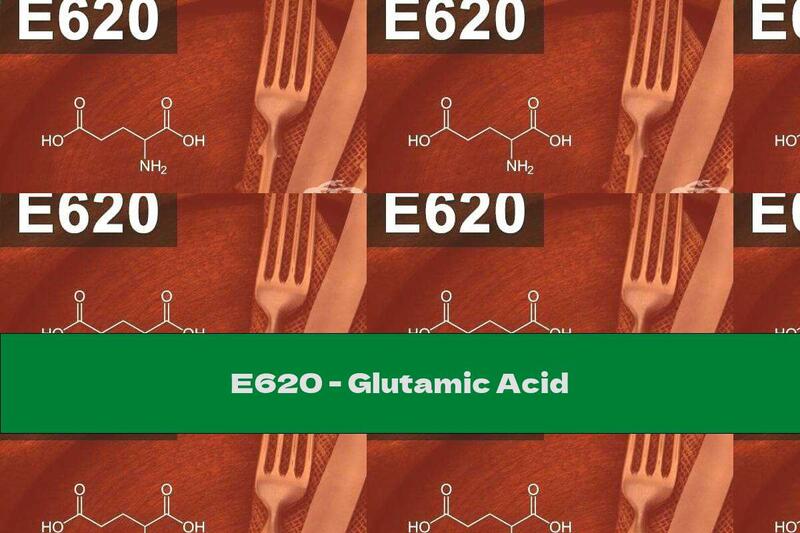
E620 - Glutamic Acid
 Author: Leticia Celentano
Time for reading: ~1
minutes
Last Updated:
August 08, 2022
Author: Leticia Celentano
Time for reading: ~1
minutes
Last Updated:
August 08, 2022
CHAPTERS (Table Of Contents)
Characteristics: Glutamic acid is either white crystals or in the form of a crystalline powder. Its taste is characteristic sour, the solubility in water is not good, and in ethanol and ether it is absolute
Characteristic
Glutamic acid is either white crystals or in the form of a crystalline powder. Its taste is characteristically sour, the solubility in water is not good, and in ethanol and ether it is absolutely insoluble. The acid is found in the composition of proteins and in blood plasma. It is obtained by microbiological synthesis.
Use
This food supplement is mainly used as a flavoring in the list of foods. In particular: broths, ready meals, semi-finished products. But more often for this purpose the additive sodium glutamate and its mixtures are used. In addition, the popular glutamic acid is widely used in pharmaceuticals. With its help they treat nervous disorders and mental illnesses. E 620 is involved in regulating metabolism, mainly protein metabolism. The addition of the substance to baby food is not recommended.
Impact on humans
The process of absorption of glutamic acid by the body proceeds in the same way as with nucleic acid. Taking the supplement leads to the development of "Chinese restaurant syndrome" in some people. This can manifest itself in general fatigue, rapid heartbeat, numbness and lack of sensitivity in the back and neck. The reason for such effects is the large amount of E 620 in spices.
According to safety standards, the maximum daily dose of glutamic acid should not exceed 120 mg per 1 kg of body weight.
Related Articles
- The Ultimate Guide to Lactic Acid in Nutrition: Benefits, Food Sources, and Recipes
- The Ultimate Guide to E620 in Nutrition: Benefits, Food Sources, and Recipes
- The Role of Fatty Acids in Nutrition: Benefits, Sources, and Intake
- The Complete Guide to E952 (Cyclamic Acid) in Nutrition
- The Nutritional Benefits of Blubber: Omega-3 Fatty Acids and Vitamin D
Top Nutrition Articles Today
- . Nutrition In Hyperopia (farsightedness)
- . The Role of Nitrogen in Nutrition: Importance and Sources
- . The Ultimate Guide to Chicken Nutrition: Importance, Benefit...
- . What To Cook With Sweet Potato
- . 5 Recipes For Potato Casserole In The Oven
- . How To Cook Lunch For School: Pizza, Salad, Raw Candy, Pear,...
- . Cooking A Festive Dinner In A Slow Cooker
- . How To Make Easy Potato Salad
- . How To Fry A Potato With A Crust
- . Nutritional Benefits of Fruit Skewers in Honey Syrup: A Heal...