Eating At Night. What Are The Risks?
 Author: Dean Rouseberg
Time for reading: ~1
minutes
Last Updated:
August 08, 2022
Author: Dean Rouseberg
Time for reading: ~1
minutes
Last Updated:
August 08, 2022
CHAPTERS (Table Of Contents)
Eating at night is referred to as night eating syndrome and can have a negative impact on health
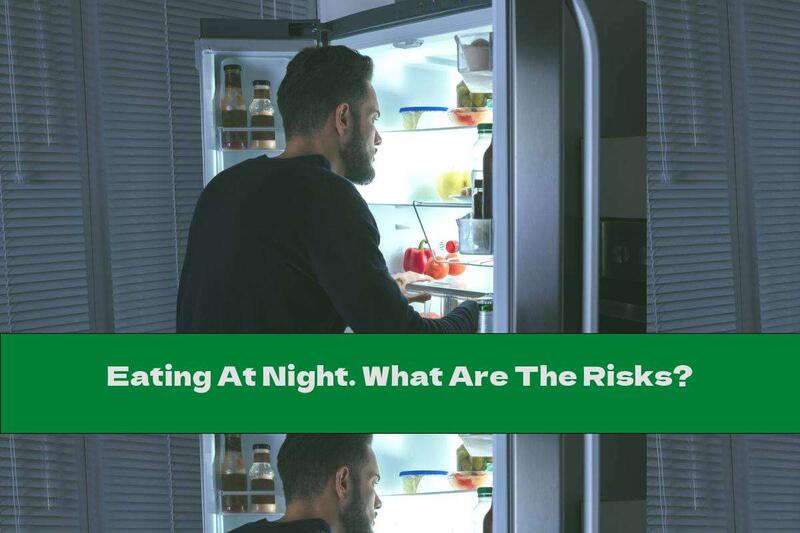
You may have woken up in the middle of the night and been brutally hungry. If this happens often, it is possible to suffer from the so-called. night eating syndrome. It was first described in a group of patients who did not feel hungry in the morning but spent the night in front of the refrigerator. They also report sleep problems. For this syndrome, it has been shown that, as with systemic overeating, there is a risk of obesity. Although you do not overeat in the evening, this food appears as extra calories, which are not compensated by higher energy expenditure.
What are the symptoms of night eating syndrome? A distinctive feature of the condition is the time during which most of the daily energy intake is obtained. People who eat mostly in the evening hardly eat during the day. Their main energy intake is between 20 hours and 6 hours in the morning.
It is not uncommon for them to get up at night for a small supportive breakfast. Very often, eating at night is accompanied by other conditions such as depression and insomnia, which significantly worsen the quality of life. It turns out that night eating syndrome is the cause of two other types of disorders - depression and insomnia.
Night eating also affects general health. It has been proven that a systematic diet at night, after 22 hours, increases the risk of obesity many times over. Being overweight is a risk factor for triggering a number of chronic diseases such as hypertension (high blood pressure), vascular accidents - heart attack and other heart diseases, type 2 diabetes and arthritis. Being overweight is also a risk factor for sleep apnea. This is a serious disease that can seriously disrupt sleep at night.
Causes of the syndrome.
Most studies in this area show that the main causes are hormonal. It has been found that people who wake up at night to eat have lower levels of melatonin (a sleep hormone) and higher levels of cortisol (a stress hormone). High levels of cortisol lead to lower levels of the hormone leptin (the hormone that suppresses hunger). As a result of this imbalance, insomnia, starvation and increased anxiety and depression occur.
Related Articles
- The Ultimate Guide to Hickory Smoked Bacon in Nutrition and Healthy Eating
- The Ultimate Guide to Nutritional Eating: Importance, Key Nutrients, Benefits, and Recipes
- The Ultimate Guide to Creating a Well-Balanced Diet Plan
- The Truth About E477 in Food: What You Need to Know
- The Nutritional Value of Potato Chips: What You Need to Know