Eggplant Lowers Cholesterol
 Author: Ivan Red Jr.
Time for reading: ~1
minutes
Last Updated:
August 08, 2022
Author: Ivan Red Jr.
Time for reading: ~1
minutes
Last Updated:
August 08, 2022
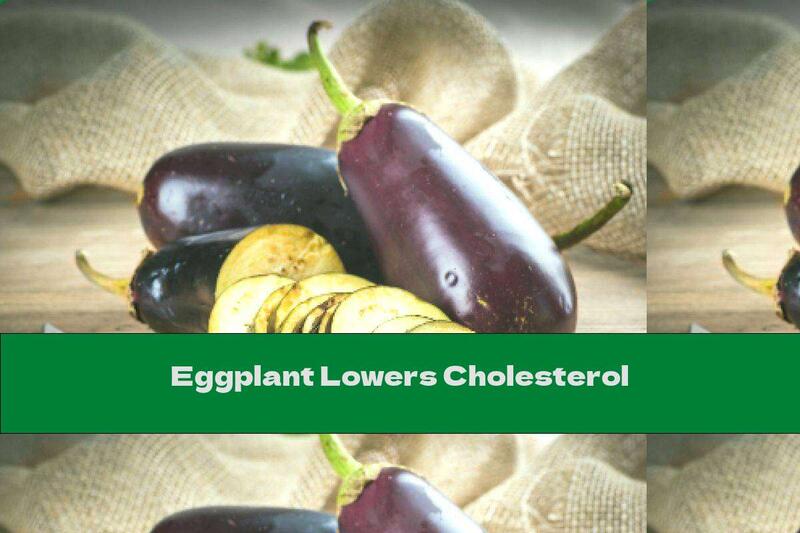
The chlorogenic acid in eggplant reduces the levels of "bad" HDL cholesterol in the blood.
The amount of one cup of raw eggplant contains 20 calories , 0.8 g of protein, 4.82 g of carbohydrates, 0.15 g of fat and 2.5 g of dietary fiber. The same amount of vegetables, also known as "blue tomatoes", satisfies 10% of the body's daily need for fiber , 5% of the daily amount of potassium, 3% vitamin C, 5% vitamin B-6, 1% iron and 2 % required daily dose of magnesium .
Eggplant also contains anthocyanins - compounds that belong to a class of naturally occurring phytochemicals known as "flavonoids". They can be found in many plant foods and in addition to providing health benefits, they are also responsible for the different colors of many fruits and vegetables.
In eggplant, anthocyanins are water-soluble pigments that give it its characteristic dark purple color.
Much of the nutritional benefits of eating eggplant are due to its skin. It is rich in fiber , potassium, magnesium and antioxidants .
According to laboratory studies, the consumption of eggplant juice leads to a significant reduction in weight and cholesterol levels . Laboratory analyzes of phenolic compounds in eggplant found that the vegetable contains a significant amount of chlorogenic acid , which is one of the most powerful free radical scavengers that can be found in plants.
It has been shown to reduce the levels of "bad" HDL cholesterol in the blood. In addition, it has antimicrobial, antiviral and anticancer properties.
It has also been found that the polyphenols in eggplant also have anti-cancer effects. Anthocyanins and chlorogenic acid function as antioxidants and anti-inflammatory compounds.
They protect the body from free radicals and in turn prevent tumor growth and the spread of cancer cells.
Related Articles
- Mercolacholesterol: Health Benefits, Recipes, and More
- The Ultimate Guide to Cholesterol in Nutrition: Types, Effects, and Recipes
- Optimizing Cholesterol Levels with Mercola's Nutrition Tips
- Understanding Cholesterol in Nutrition: Effects of Diet and Recipes for Lowering Cholesterol
- Understanding Cholesterol in Nutrition: Types, Effects, and Recipes
Top Nutrition Articles Today
- . One Meal a Day Menu: Benefits, Meal Planning, and Sample Men...
- . The Role of Silica in Vitamins: Benefits, Sources, and Recom...
- . Fructose In Strawberries
- . Nutrition In Hyperopia (farsightedness)
- . Sea Buckthorn: Health Benefits And Harms
- . The Nutritional Benefits of Eggs: A Complete Guide
- . List of Foods that Contain Carrageenan: A Guide to Avoiding...
- . Nutrition Guide for Thyroidectomy Patients: Tips for a Healt...
- . How To Cook Lunch For School: Pizza, Salad, Raw Candy, Pear,...
- . The Ultimate Guide to Chicken Nutrition: Importance, Benefit...