Feijoa
 Author: Leticia Celentano
Time for reading: ~3
minutes
Last Updated:
August 08, 2022
Author: Leticia Celentano
Time for reading: ~3
minutes
Last Updated:
August 08, 2022
CHAPTERS (Table Of Contents)
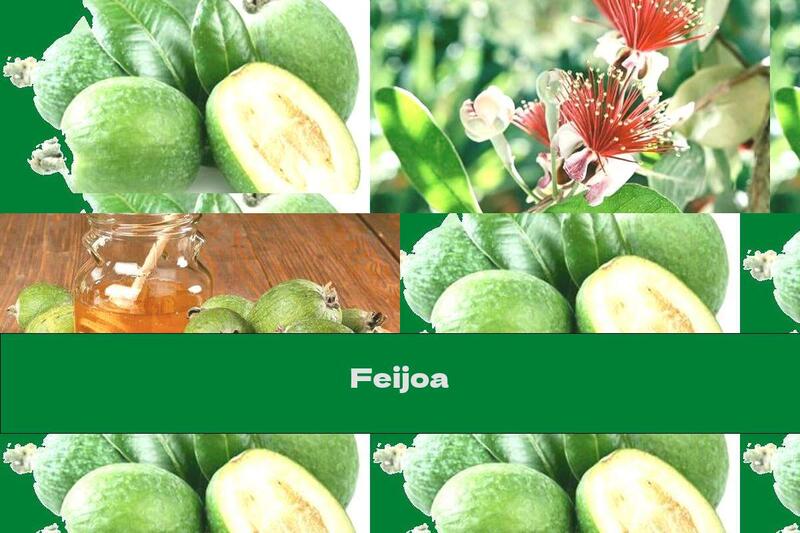
Feijoa is a green fruit native to South Africa. It tastes slightly sour and has the aroma of pineapple and strawberries.
Feijoa (iodine tree) is a large evergreen shrub or tree with green oblong fruits. He is originally from South Africa. The fruit has a diameter of 5-7 centimeters and weighs between 20 and 120 grams. The plant was first discovered in Brazil in the late 19th century during a scientific expedition and was named after its discoverer, Joan da Silva Feio.
The ripe fruits are juicy and have a slightly sour note. Feijoa bark is quite thick and tart in taste, and the inside is soft and juicy with a small amount of seeds. The whole fruit can be consumed. Some people prefer to eat only the inside, although there are many useful nutrients in the shell. Also, the bark can be dried and added to tea.
The fruit ripens from mid-October to almost the end of November. Therefore, it grows mainly in the countries of the temperate zone, where the cold weather already occurs during this period. It has been experimentally established that the plant is able to tolerate frosts down to -11 ° C.
Feijoa is picked when the fruit is not yet ripe - this allows it to be transported without being bruised. Soft fruits without visible bruises are ideal for consumption. If the bark is harder, they can be left in a ventilated room at a temperature of 20-23 degrees to mature naturally. The transparent inside is a sign that they are well ripened. The white flesh speaks of an unripe fruit, and if it is cloudy or brown, it is spoiled.
Depending on the degree of maturity, you can store feijoa in the refrigerator for 7 to 14 days. During this time it becomes sweeter. You can make jam from it, which can be consumed throughout the winter.
Composition and useful properties
Feijoa fruits contain vitamins (C, B1, B2, B3, B5, B6, PP), micro- and macroelements (iodine, calcium, potassium, sodium, magnesium, phosphorus, iron, copper, zinc, manganese), acids (malic, foil) and essential oils with the aroma of pineapple and strawberries.
The pulp of the fruit contains easily digestible proteins and fats, which makes feijoa a dietary product suitable for use as a substitute for one of the meals or as a supplement in dietary dishes.
Feijoa is the only plant in the world whose iodine content exceeds that of seafood. The element is easily dissolved in water and is therefore well absorbed by the body. The fruit is suitable for consumption by people with impaired thyroid function and those who are under mental stress. It is also used to prevent diseases such as inflammation of the gastrointestinal tract, gastritis, atherosclerosis, vitamin deficiency, hypovitaminosis, pyelonephritis, gout, basal disease and constipation.
The peel of the fruit contains the biologically active substances cachetin and leukoanthocin - powerful antioxidants that have a prophylactic effect in cancer.
Use in cooking
Feijoa fruits are widely used in cooking (stewed fruits, canned food, pastries, desserts, salads, marinades, wine, tinctures, etc.), in cosmetics and on their own.
Use in cosmetics
Cosmetic masks containing this fruit have anti-inflammatory, anti-aging and nourishing effects.
Harm and contraindications
Due to the high sugar content, ripe feijoa fruits are contraindicated for people with obesity, diabetes and individual intolerance to the product. It is also not recommended to eat by those who suffer from hyperthyroidism (thyrotoxicosis).
If you are consuming the fruit for the first time, be careful with the amount. When taking large ones, the following conditions can occur: nervous breakdowns, anxiety, fever, palpitations or decreased ability to work, and depression.
No case of allergic reactions has been identified with the use of the fruit, but if you do, it is better to stop consuming it and seek medical help. Before giving to children, consult your doctor.
Avoid the combination of feijoa and cow's milk, as it can lead to indigestion. The product must be fresh, because spoiled fruit can cause poisoning.
Top Nutrition Articles Today
- . The Role of Silica in Vitamins: Benefits, Sources, and Recom...
- . Fructose In Strawberries
- . Sea Buckthorn: Health Benefits And Harms
- . The Nutritional Benefits of Eggs: A Complete Guide
- . One Meal a Day Menu: Benefits, Meal Planning, and Sample Men...
- . List of Foods that Contain Carrageenan: A Guide to Avoiding...
- . Nutrition In Hyperopia (farsightedness)
- . Nutrition Guide for Thyroidectomy Patients: Tips for a Healt...
- . The Ultimate Guide to Chicken Nutrition: Importance, Benefit...
- . How To Whip Sour Cream With Sugar