Flaxseed Lowers Cholesterol
 Author: Karen Lennox
Time for reading: ~1
minutes
Last Updated:
August 08, 2022
Author: Karen Lennox
Time for reading: ~1
minutes
Last Updated:
August 08, 2022
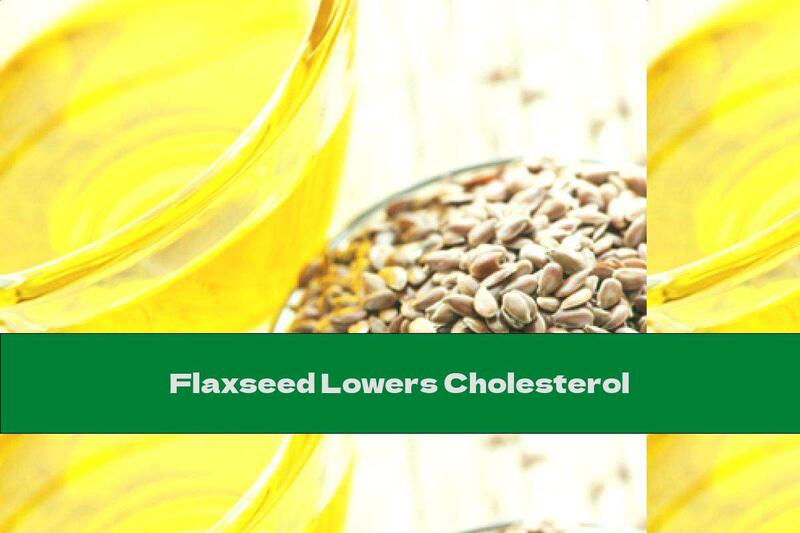
Flaxseed is considered a major source of fiber. They create a feeling of satiety and improve the function of the digestive and excretory systems.
Flaxseed is an annual herbaceous plant that is grown mainly as a fiber and oilseed crop .
Almost any part of the plant can be used for consumption. Strong and durable fibers are obtained from the stem. The seeds are processed into an oil that is rich in omega-3 and omega-6 fatty acids and digestible proteins.
The protein content of flaxseed is about 30%, and carbohydrates - about 15%.
The plant is rich in vitamin E and vitamin A, alpha-linolenic acid (ALA), fiber and lignans.
The lignans in flaxseed have anticancer and antioxidant properties. A number of studies have shown that consumption of flaxseed, even when diagnosed with cancer, prevents the tumor from metastasizing to other parts of the body.
Flaxseed contains 75 to 800 times more lignans than other plant foods .
The content of lignans has a beneficial effect on the immune system, hormonal balance and reduces the symptoms of menopause.
Omega-3 fatty acids are so-called "good" fats and help to suppress endogenous production of triglycerides, reduce the level of very low density lipoproteins (VLDL) and improve the activity of the cardiovascular system . For this reason, consumption of flaxseed has a beneficial effect on bad cholesterol (LDL).
One tablespoon of flaxseed contains about 1.8 g of omega-3 essential fatty acids.
Flaxseed is considered a major source of fiber. They create a feeling of satiety and improve the function of the digestive and excretory systems.
Mucous substances make up 10% of the weight of flaxseed. They have a beneficial effect on dry cough and inflammation of the respiratory tract.
Related Articles
- Mercolacholesterol: Health Benefits, Recipes, and More
- The Ultimate Guide to Cholesterol in Nutrition: Types, Effects, and Recipes
- Optimizing Cholesterol Levels with Mercola's Nutrition Tips
- Understanding Cholesterol in Nutrition: Effects of Diet and Recipes for Lowering Cholesterol
- Understanding Cholesterol in Nutrition: Types, Effects, and Recipes
Top Nutrition Articles Today
- . Fructose In Strawberries
- . The Role of Silica in Vitamins: Benefits, Sources, and Recom...
- . Nutrition In Hyperopia (farsightedness)
- . One Meal a Day Menu: Benefits, Meal Planning, and Sample Men...
- . Sea Buckthorn: Health Benefits And Harms
- . List of Foods that Contain Carrageenan: A Guide to Avoiding...
- . The Ultimate Guide to Chicken Nutrition: Importance, Benefit...
- . 7 Herbs for Fibroids: Managing Symptoms Naturally
- . The Nutritional Benefits of Eggs: A Complete Guide
- . How To Whip Sour Cream With Sugar