Flounder, Flounder - Useful Properties
 Author: Dean Rouseberg
Time for reading: ~3
minutes
Last Updated:
August 08, 2022
Author: Dean Rouseberg
Time for reading: ~3
minutes
Last Updated:
August 08, 2022
CHAPTERS (Table Of Contents)
There are many wonders and secrets in the underwater world, one of which is the flounder or flounder fish. It has juicy and tender flesh with a perfectly white color. There are 2 species: sea and river. Benefits and chemical composition of
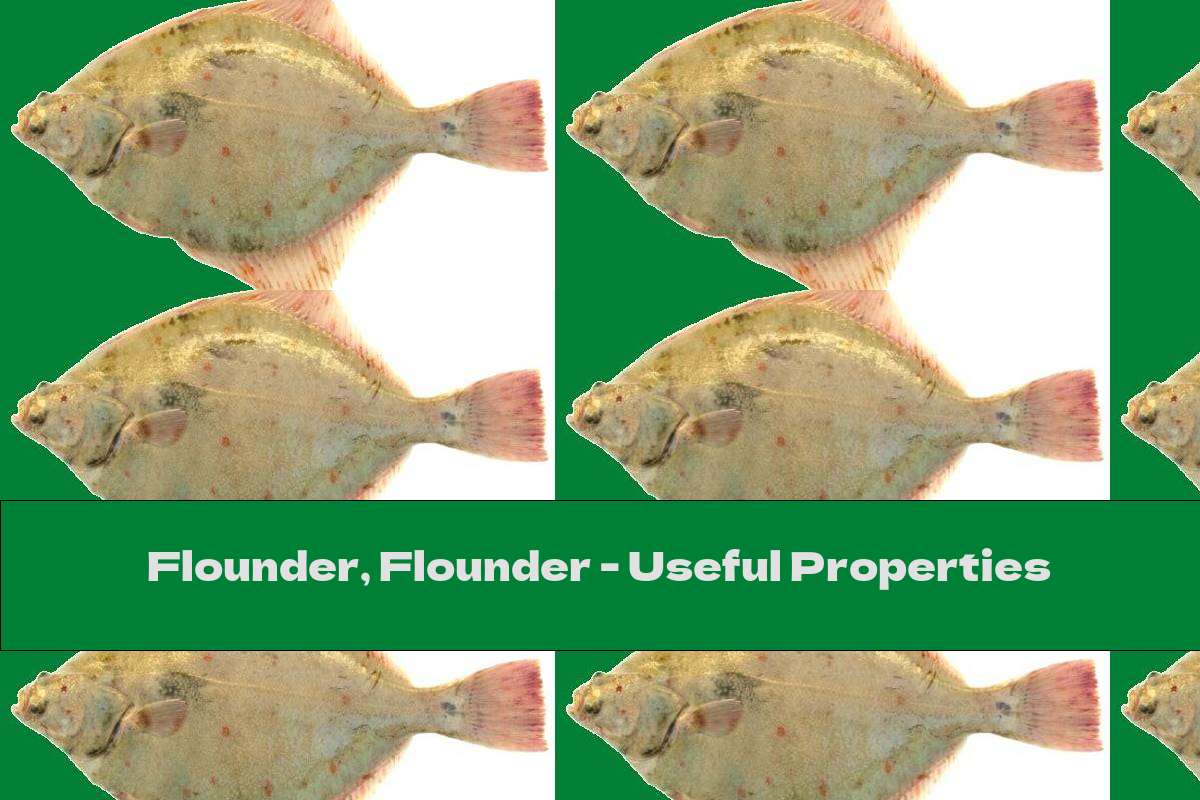
There are many wonders and secrets in the underwater world, one of which is the flounder or flounder fish. It has juicy and tender flesh with a perfectly white color. There are 2 species: sea and river. It is usually prepared fried or baked, and its nutritional profile is very impressive. Although the fish is one of the strangest looking and definitely repulsive in appearance, its meat is very tasty and tender.
Vitamins, minerals and nutritional composition
Vitamins in flounderFlounder contains many different vitamins - vitamin A, B, E, thiamine, riboflavin, nicotinic and pantothenic acids, pyridoxine.
MineralsThe content of minerals in flounder is diverse. These are:
- phosphorus salts, on which the strength of the skeleton and teeth, the health of hair, skin and nails depend;
- iodine, which is useful in diseases of the thyroid gland;
- Omega 3 fatty acids - prevent the development of cancer, contribute to the treatment of bronchitis;
- amino acids - actively affect the lowering of blood cholesterol;
- Minerals and trace elements help to increase the efficiency and immunity of the human body, protect it from harmful external influences, infections and other unpleasant factors;
Nutritional value100 grams of meat of this fish contains 70 kcal. The protein in flounder is 12.41 grams for the same amount, and the fat is less than 2 grams. This makes it a suitable dietary product, especially valuable for a healthy diet, which supplies the body with valuable substances, while not importing extra calories.
Health benefits
A good source of proteinRegardless of the different species and colors, the properties of this fish are almost the same. It contains a lot of complete proteins, and they contain a large part of amino acids with a balanced composition. Compared to animal meat, fish has several times less connective tissue, so fish protein is more easily absorbed by the body.
Helps lose weightFish is very low in calories, which makes it a great choice for people on a diet who want to lose a few pounds. Omega-3 fatty acids also stimulate weight loss and help the body's functions.
Reduces bad cholesterolYou know that high cholesterol is one of the most common conditions nowadays, which endangers the health of many people. Saturated fats raise cholesterol, which increases the risk of clogging blood vessels and making it harder for the heart to work.
Fights depressionMany studies show that eating flounder can help fight depression, due to the richness of minerals, vitamins and nutrients such as omega-3 fatty acids, which are associated with a reduced risk of depression and improve mood.
Improves the condition of the brainNumerous studies show that eating fresh fish can improve blood flow to the brain, which improves its function.
Helps fight diabetesEating fish is known to be beneficial for patients with diabetes. Researchers have also found that eating flounder can help you improve your diabetes and others to reduce your risk of developing it if you are predisposed to it. Omega-3 and nutrients in fish help the body regulate blood sugar, and in addition, its nutritional profile does not suggest an increase in blood sugar after a meal. As blood sugar levels improve, the body becomes more sensitive to insulin.
Fish is rich in omega-3You know that one of the biggest advantages of fish is the high content of omega-3 fatty acids, which are useful and have many different functions in the body - relieve the symptoms of arthritis, reduce inflammation and protect the heart. The benefits of omega-3 include taking care of the heart, fighting bad cholesterol, reducing fat.
Contraindications
There are no contraindications to roasted and boiled flounder if you are not allergic to fish. But salted, it is not suitable for heart disease and hypertension, as salt can raise blood pressure.
Related Articles
- The Role of Sodium Methyl Para-Hydroxybenzoate in Nutrition: Preservative Properties & Health Concerns
- The Role of Functional Properties in Muffins: Nutrition, Diets, and Recipes
- The Functional Properties of Muffins in Nutrition: A Comprehensive Guide
- Nutritional Benefits of Functional Properties in Muffins: A Comprehensive Guide
- Functional Properties of Muffins in Nutrition: A Complete Guide