Food Preservatives - How Do They Work?
 Author: Mark Velov
Time for reading: ~1
minutes
Last Updated:
August 08, 2022
Author: Mark Velov
Time for reading: ~1
minutes
Last Updated:
August 08, 2022
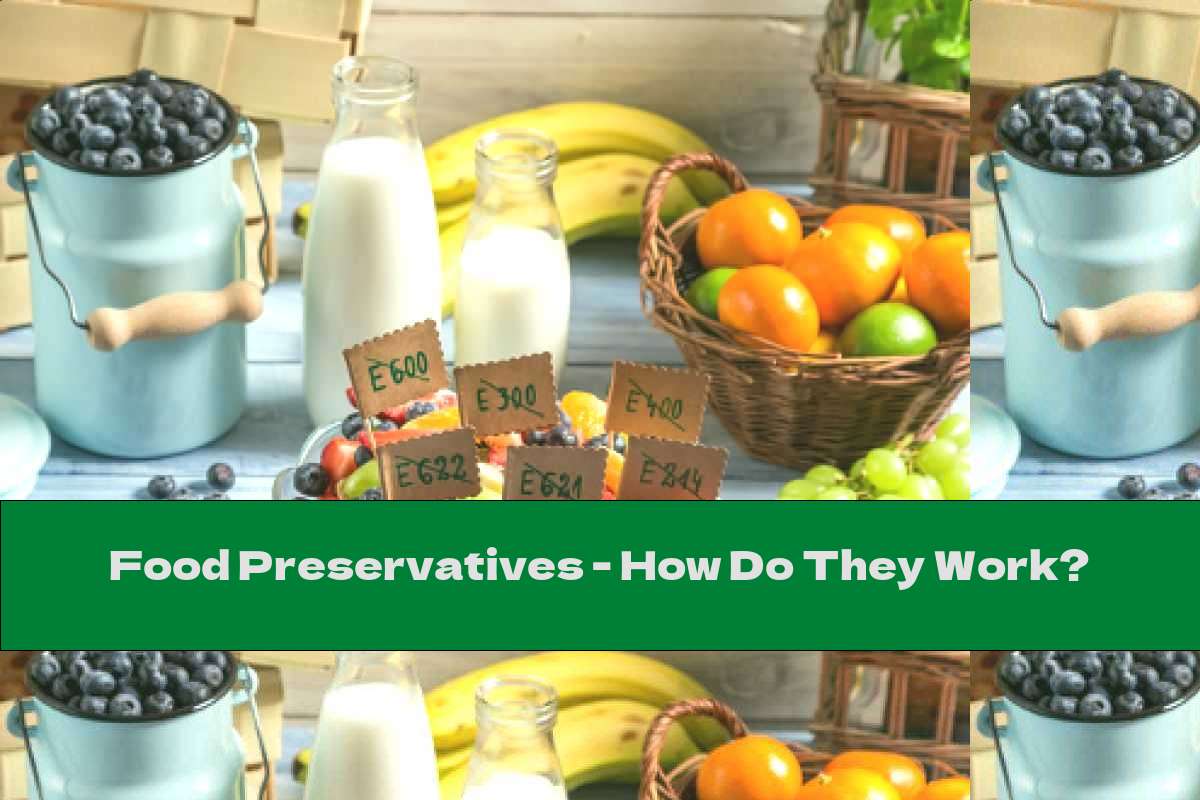
In this article, learn more about Food Preservatives - How Do They Work?. From the video we can learn more about food preservatives..
Food spoils relatively quickly. In a few days, sometimes in a few hours, the bread may become moldy, the apple slice may turn brown, and the bacteria may multiply in the mayonnaise.
However, these foods can be found in any grocery store, and their shelf life is significantly higher. This is due to the preservatives in them. What exactly are they, how do they maintain food and are they safe?
There are two main factors that spoil food - germs and oxidation . Microbes such as fungi and bacteria "attack" food and feed on the substances in it. Some of them can cause disease, such as listeria and botulism. Others just spoil the food.
Oxidation is a chemical change in food molecules. It is caused by enzymes or free radicals, which leads to fat rancidity . This is the reason for the brown color that can be observed in potatoes and apples. Canned foods can prevent both types of food from deteriorating.
Before the invention of artificial cooling, fungi and bacteria can multiply uncontrollably in food.
Thus, ways have been identified to create an unfavorable environment for microbes . For example, increasing the acidity of food "unravels" the enzymes that microbes need to survive. Some types of bacteria can actually help.
For hundreds of years people canned food, by using bacteria which form lactic acid. It turns perishable vegetables and milk into longer-lasting foods such as kimchi, sauerkraut and yogurt . These cultured foods enrich the digestive tract with beneficial bacteria.
Many synthetic preservatives are also acids - benzoic acid in salad dressings, sorbic acid in cheese and propionic acid in pasta.
We can learn more about preservatives from the video ...
Related Articles
- Nutrition for Respiratory Health: Supporting Your Lungs with the Right Foods
- The Ultimate Guide to High Gluten Foods: Benefits, Sources, and Recipes
- The Ultimate Guide to High Gluten Foods: Effects, Benefits, and Recipes
- The Ultimate Guide to Lactic Acid in Nutrition: Benefits, Food Sources, and Recipes
- The Nutritious World of Wendy's Salads: A Healthy Fast Food Option