Foods To Avoid In Diabetes (1 Part)
 Author: Karen Lennox
Time for reading: ~2
minutes
Last Updated:
August 08, 2022
Author: Karen Lennox
Time for reading: ~2
minutes
Last Updated:
August 08, 2022
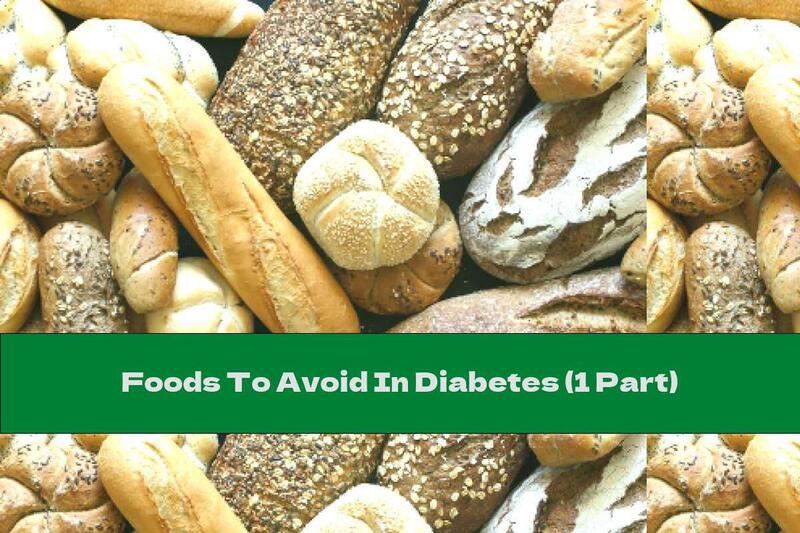
In this article, learn more about Foods To Avoid In Diabetes (1 Part). Nutrition in diabetics has a major impact on their blood sugar levels.
Nutrition in diabetics has a major impact on their blood sugar levels. Very often they are not limited to certain foods, which brings them health problems. In such cases, doctors advise not to give up favorite foods altogether, but to eat them less often and in small portions.
The recommended carbohydrate intake for diabetics should be between 45-65% of total calories. This amount can be achieved through various balanced plant diets.
However, some studies show that people can improve their blood sugar levels if their carbohydrate intake is between 5-35 percent of total calories. Some of them are based on studies in the Mediterranean, ketogenic diet or those with a higher fat content.
The intestinal microflora has a great influence on health. It is known that carbohydrates with higher fiber content do not harm intestinal bacteria, while foods with higher fat content and low carbohydrate levels can kill these microorganisms. In addition, people with diabetes have lower intestinal bacteria.
Diabetics around the world who live longer follow a so-called plant-based diet rich in wholesome foods and carbohydrates. Here are some foods that are appropriate for these patients and which are not:
Cereals
All cereals contain starch. Diabetics should avoid refined cultures of this type, no matter what diet they are prescribed. They affect blood sugar. It is good not to consume foods made entirely of white or processed flour. White rice, pasta and white flour bread, crackers, are the things that people with diabetes should reduce or eliminate completely from their menu. It has been shown that two extra servings a day of whole grains can reduce the chances of developing prediabetes and the risk of type 2 diabetes by 21%.
Cereals that are allowed are brown and wild rice, barley, quinoa, oatmeal, amaranth, millet, high fiber crops, whole grain bread.
Proteins
Protein helps in the process of building, maintaining and replacing tissues. All organs and muscles of the body are made up of proteins. It can be broken down into sugars, although they are slightly more effective than carbohydrates.
Consumption of red meat such as beef, pork and lamb increases the risk of diabetes, even when consumed in small amounts. Studies show that eating one serving of raw red meat a day increases the risk of developing type 2 diabetes by 20%. With a lower weight of bacon, for example, the risk increases by 51%. Doctors recommend that diabetics eat better processed meat than poultry, fish, low-fat dairy products, whole grains or nuts.
Eating fish or soy products such as tofu can significantly reduce the risk of diabetes. Also useful are beans, lentils, nuts, fish, seafood, eggs.
More protein foods to avoid:
- Red meat (beef, pork, lamb)
- Breaded, fried, high quality meat
- Processed meats (bacon, hot dogs)
- Ribs and other fatty cuts of meat
- Poultry with skin
- Deep fried fish
Related Articles
- Nutrition for Respiratory Health: Supporting Your Lungs with the Right Foods
- The Ultimate Guide to High Gluten Foods: Benefits, Sources, and Recipes
- The Ultimate Guide to High Gluten Foods: Effects, Benefits, and Recipes
- Nutrition and Libido: Enhance Your Sex Drive with the Right Foods
- Understanding E+631 in Nutrition: Health Implications, Common Foods, and Alternatives