Glutamic Acid Against High Blood Pressure
 Author: Mark Velov
Time for reading: ~1
minutes
Last Updated:
August 08, 2022
Author: Mark Velov
Time for reading: ~1
minutes
Last Updated:
August 08, 2022
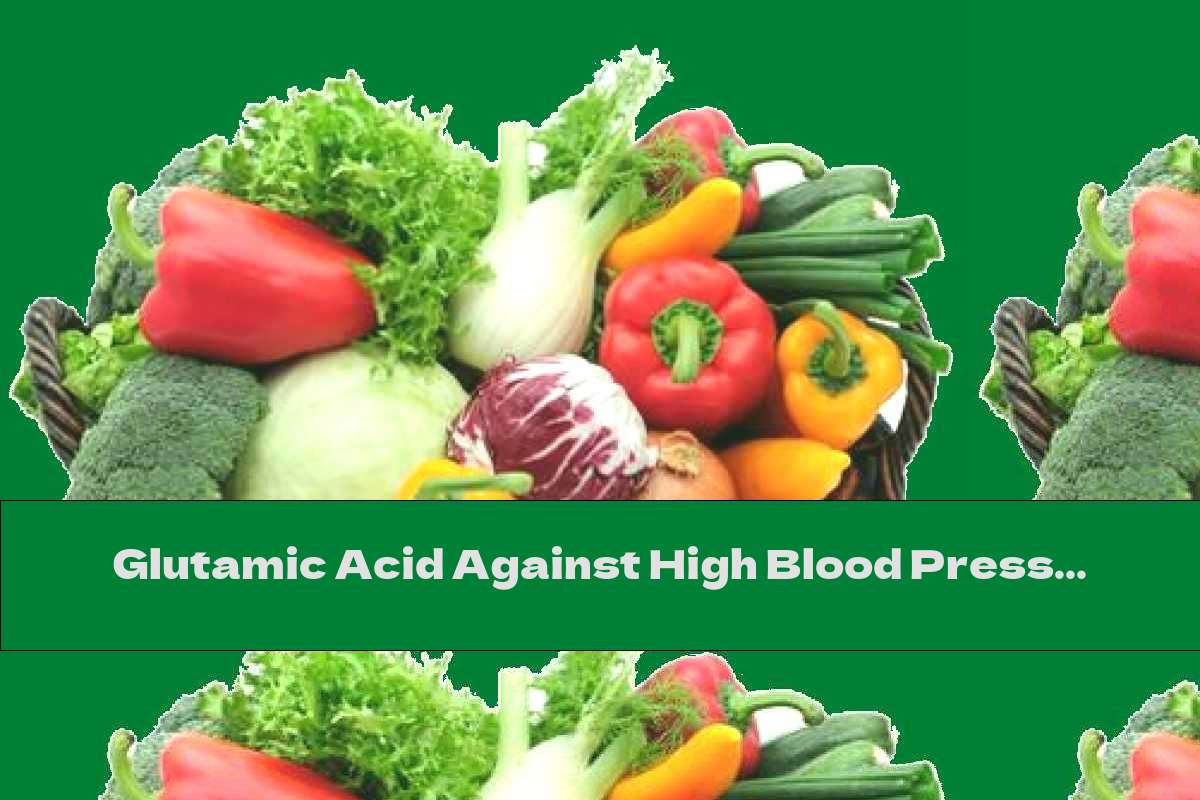
Glutamic acid, which is found in plant-based proteins, lowers blood pressure. It is necessary to include in the diet more products that contain the useful amino acid.
Glutamic acid, which is found in plant-based proteins, lowers blood pressure. Experts recommend that in the diet with a tendency to high blood pressure to include more products that contain the useful amino acid as a method of prevention for hypertension and heart disease.
4,500 people over the age of 40 from 17 cities in the United Kingdom, the United States, Japan and China participated in a detailed study by American cardiologists.
Experts found that at 5% higher content of glutamic acid in food, blood pressure drops by 1.5-3 units.
Glutamic acid is one of the most common amino acids. 23% of plant proteins contain it. It is also found in animal proteins, but in lower amounts.
"The drop in blood pressure of just 2 units may seem insignificant. However, if the result is applied to global statistics, this means that stroke mortality will be reduced by 6%. Or 178,000 people will be saved a year, "said Prof. Jeremiah Stampler, head of the team at Northwestern University in the United States.
High blood pressure is a major risk factor for developing heart disease. The risk of heart problems increases with age. There is a tendency to lower the lower age limit of people suffering from high blood pressure. It is also common in 35-year-olds.
The treatment that is taken to overcome the problem is not effective enough. There is good reason to believe that preventive measures are more effective in combating this condition. These are maintaining a normal body weight, a diet rich in fruits and vegetables, regular physical exercise.
"The benefits of plant proteins in the prevention of high blood pressure have been known before. However, this study states that this effect is due to glutamic acid, "explains Dr. Ian Brown, of King's College London, co-author.
Sources of glutamic acid are legumes, unpolished brown rice, pasta, bread and cereals, and soy tofu.
Related Articles
- The Ultimate Guide to High Gluten Foods: Benefits, Sources, and Recipes
- The Ultimate Guide to High Gluten Foods: Effects, Benefits, and Recipes
- The Ultimate Guide to Lactic Acid in Nutrition: Benefits, Food Sources, and Recipes
- The Role of Fatty Acids in Nutrition: Benefits, Sources, and Intake
- The Power of Fresh Herbs High in Vitamin K: Benefits, Recipes, and More