Green Peas - Eating, Nutrition
 Author: Maryam Ayres
Time for reading: ~5
minutes
Last Updated:
August 08, 2022
Author: Maryam Ayres
Time for reading: ~5
minutes
Last Updated:
August 08, 2022
CHAPTERS (Table Of Contents)
Useful properties of peas: Pea fruits are rich in vitamins, antioxidants and many useful minerals. A complete source of protein and fiber with a beneficial effect on digestion.
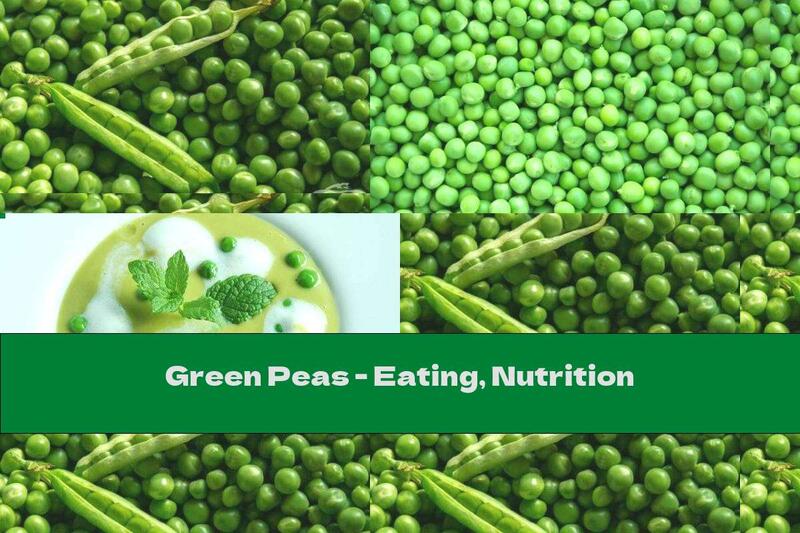
Green peas are a genus of annual herbaceous plants of the legume family. Homeland of most of its species is considered to be the European and African Mediterranean, as well as the territory of Central Asia. Archaeologists claim that pea seeds have been used by humans since the Stone Age.
Among other vegetables, this legume is characterized by the fact that it contains a large amount of protein and fiber, so it has a beneficial effect on digestion and can be a good source of protein for vegetarians and athletes.
Health benefits from eating peas
Both the peas themselves and the pods, which are suitable for consumption, contain a large amount of vitamins and minerals. In addition, this vegetable is useful for those who want to lose weight due to its low calorie content.
As for the different methods of processing peas, they have different effects on its nutritional value. Freezing only partially reduces nutrients and vitamins, while canning in vegetables leaves a small amount of nutrients.
Peas are rich in protein, vitamins, antioxidants and many useful minerals. The healing properties of this vegetable have been known since antiquity (even Hippocrates used it as an aid in the treatment of goiter, diseases of the cardiovascular system, anemia, obesity).
Green peas are useful in atherosclerosis, hypertension, diabetes, chronic gastritis, ulcers, obesity. It is known that this vegetable stops the entry of toxins and radionuclides into the body, and thanks to the large amount of substances with antioxidant properties, its regular consumption reduces the likelihood of cancer, heart attack and slows down the aging process.
Doctors and nutritionists recommend the inclusion of canned peas in the diet of people suffering from diabetes and cardiovascular disease.
This vegetable is also used in folk medicine: a decoction of the stalks and fruits of peas is used as a diuretic, which helps to remove kidney stones.
Peas are one of the richest sources of plant proteins that the body needs as a building material for muscles and bones. It also provides a long-lasting feeling of satiety, as together with dietary fiber it slows down the digestive process and increases the level of hormones that reduce appetite. In terms of protein content, green peas are often compared to meat, which is why it becomes an integral part of the diet of vegetarians and vegans.
As similar as proteins of plant and animal origin are, they are not identical, so peas cannot become a complete substitute for meat. Using this vegetable, the body does not receive the essential amino acid methionine, which is involved in a number of biochemical processes. For example, 100 grams of peas contain only 0.082 grams of methionine, and 100 grams of beef - 0.588 grams. To maintain the norm of this and other essential amino acids in the body, it is recommended to reduce meat intake and add to the diet a variety of sources of protein, such as green peas.
Vegetables are characterized by a high concentration of B vitamins, as well as vitamins C, PP, E, A, K. In addition, peas are rich in trace elements such as potassium, magnesium, phosphorus, iron, zinc and selenium. All these vitamins and nutrients often play a key role in many processes taking place in the body, and their lack can lead to serious diseases.
The positive effect of peas on the digestive system is associated with the presence of dietary fiber in its composition. They act as natural probiotics, supporting the life of beneficial bacteria and preventing the growth of pathogens in the gut. This helps prevent various gastrointestinal problems and even colon cancer. Fiber also helps relieve constipation.
The use of green peas has a beneficial effect on the human cardiovascular system. High levels of potassium, magnesium and calcium help maintain normal blood pressure. Dietary fiber helps to normalize cholesterol levels and thus reduce the risk of developing atherosclerosis. Antioxidants, along with vitamins A and E, protect cells from destruction and thus contribute to the fight against cardiovascular disease, while preventing the risk of cancer.
Use of peas in cooking
Peas have long been cooked in almost every country in the world. It is known to have been popular among the ancient Greek inhabitants. In Russia, a variety of dishes were prepared, most often consumed by the poor. In France, it was served at the table of the rich as a delicacy, while dried peas were eaten mainly by ordinary people. Nowadays, this vegetable is the basis of the menu of many crops and is used to prepare a variety of dishes regardless of the material status of the person.
In cooking, peas are used in different ways: eaten fresh, added to meat dishes, salads, canned food, soups, cereals, mashed potatoes, cutlets. Used as a filling for vegetarian dumplings, pies and pancakes.
Contraindications for Green Peas
The benefits of peas are undeniable, but at the same time there are some contraindications to its use. For example, it is not recommended for people with gout, during the exacerbation of gastrointestinal diseases, with acute nephritis and circulatory disorders.
In addition, peas contain so-called antinutrients - compounds that interfere with the absorption of nutrients. Of all the legumes, peas have the least amount of antinutrients. Along with neutralizing the beneficial minerals, they can also cause digestive problems. Particular attention should be paid to people who consume peas as a staple protein food and those who suffer from chronic malnutrition.
Among the most active antinutrients in peas are phytic acid and lectins. Phytic acid binds minerals and prevents the body from absorbing enough iron, calcium, zinc and magnesium. Lectins contribute to increased flatulence and bloating. To prevent the negative impact of peas on the body and to allow the absorption of all useful elements, it is necessary to consume green peas, especially fresh peas in moderation (120-170 grams per serving) and be soaked before cooking and consumes.
Attention!
Consumption of green peas and other legumes causes bloating in some people. For this reason, it is not recommended for the elderly to overdo their use. Also, peas contain purines.
Related Articles
- The Ultimate Guide to Hickory Smoked Bacon in Nutrition and Healthy Eating
- Fruitskewers in Honey Syrup: Nutritional Benefits and Recipes
- The Ultimate Guide to Buffer 500 in Nutrition: Benefits and Usage
- Nutritional Benefits of Fruit Skewers in Honey Syrup: A Delicious and Healthy Recipe
- Nutrition Guide: Fruitskewers in Honey Syrup - Benefits, Recipes, and More
Top Nutrition Articles Today
- . Health Benefits And Harms Of Cocoa, How To Drink, Recipes
- . Steak Label
- . Nutrition By Blood Type: Table Of Allowed And Prohibited Foo...
- . Grapefruit - For Colds And Flu
- . The Nutritional Benefits of Yellow Maize: A Versatile Grain...
- . Myra E: Benefits for Nutrition, Diets, and Recipes
- . The Ultimate Guide to Potassium Nitrate in Nutrition
- . How To Freeze Quince
- . The Ultimate Guide to Hickory Smoked Bacon in Nutrition and...
- . The Role of Sodium Malate in Nutrition: Benefits, Concerns,...