Hemorrhoids - Diet Is Directly Related To Their Appearance
 Author: Dean Rouseberg
Time for reading: ~2
minutes
Last Updated:
August 08, 2022
Author: Dean Rouseberg
Time for reading: ~2
minutes
Last Updated:
August 08, 2022
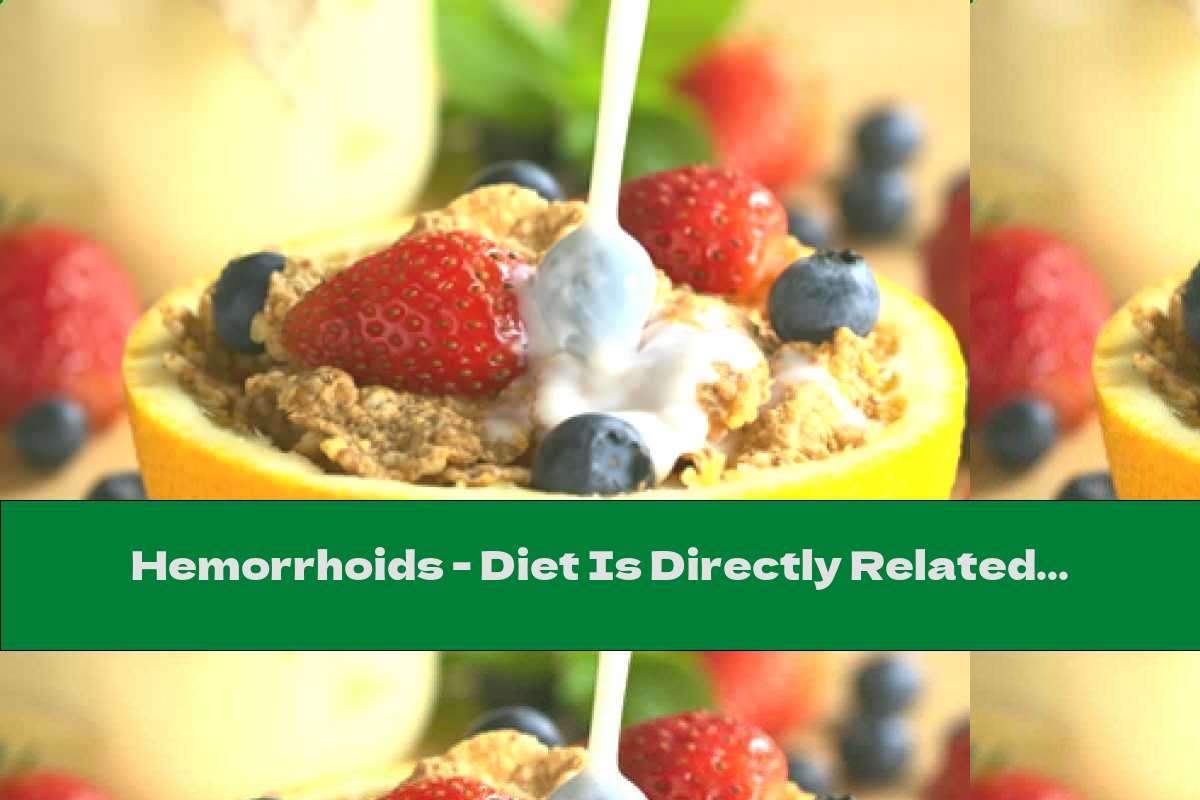
Hemorrhoids are dilated and inflamed blood vessels in the anus, and the disease is becoming more common among young people.
The problem of hemorrhoids affects a large part of the population, especially in developed countries. Both diet and physical activity, as well as certain physiological conditions, such as pregnancy, are related to their appearance. In recent decades, there has been a "rejuvenation" of the disease , which means that it is occurring in younger patients.
Hemorrhoids are dilated and inflamed blood vessels that are located inside or outside the anus , causing discomfort both during defecation and at rest. Even after the symptoms have passed, if the causes that led to their appearance are not eliminated, the probability of recurrence is increased.
The main reason for the appearance of hemorrhoids is the increased abdominal (abdominal) or pelvic pressure, which affects the blood vessels located in this area. It is observed during pregnancy, lifting heavy objects, long sitting in a sitting position (blood flow is prevented). In addition, the functionality of the connective tissue is important , as its elastic properties decrease over the years.
Factors relevant to the appearance of hemorrhoids are prolonged periods of constipation (constipation), as the stool irritates the wall of blood vessels and causes an inflammatory reaction. In addition, strains to evacuate the intestinal contents also significantly increase the pressure in the pelvic area.
In the first place, it is important to drink enough fluids, be they in the form of tea, juices or water. The recommended daily fluid intake is calculated by multiplying the body weight (in kilograms) by 30-40 ml. Usually this amount is equal to 6-8 glasses of water a day.
In terms of food, it should be rich in fiber. They are divided into two main groups - soluble and insoluble. The latter have the function of removing toxins from the inside of the intestinal wall and attracting unabsorbed food debris to the lower levels of the digestive tract. In this way, they stimulate peristalsis and thus ensure regular defecation.
Whole grains, unpeeled rice, as well as some legumes, seeds and nuts are rich in fiber. In addition, some vegetables, such as cabbage and broccoli, are significantly higher in fiber than others. The consumption of fresh fruits and vegetables is important, as some fiber is destroyed during heat treatment and the fiber content decreases accordingly.
The importance of adequate intake of vitamin C is explained by the fact that it enters the structure of collagen - a protein that is part of connective tissue. Peppers, rose hips, kiwi, cabbage and others are rich in vitamin C. It is recommended to avoid spicy foods, as well as excessive alcohol intake.
The intake of probiotics , whether in the form of supplements or from natural sources, leads to improved peristalsis, as well as ensuring the breakdown of nutrients and, accordingly, their absorption. In addition, the so-called "good bacteria" do not allow overgrowth of pathogenic bacteria that can cause diarrhea. Diarrhea itself is also a factor that leads to an increase in abdominal pressure.
Obesity (BMI> 25) is one of the reasons for the "rejuvenation" of the disease, as it is increasingly common among the younger population. Active physical activity has a beneficial effect on intestinal peristalsis, due to which the lack of sports activity has a role in the appearance of hemorrhoids.
It is important for every patient to know that even after the problem is eliminated, either through conservative therapy or after surgery, if there are no lasting changes in eating habits, the likelihood of subsequent recurrence is increased . 3764
Related Articles
- The Nutritional Value of Avocado Calories: Benefits, Diet Tips, and Recipes
- The Ultimate Guide to Diet ��� 7 for Improved Nutrition
- The Nutritional Value of Potato Chips: How They Fit Into a Healthy Diet
- Nutritional Benefits of Chowmein: A Healthy Addition to Your Diet
- The Ultimate Guide to a Healthy Diet: Benefits, Components, and Tips
Top Nutrition Articles Today
- . Nutrition In Cardiomyopathy
- . The Truth About Potato Chips: Health Effects and Alternative...
- . Sardines - Good For Bones
- . The Complete Guide to the Diabetic Diet: Key Components, Ben...
- . List of Foods that Contain Carrageenan: A Guide to Avoiding...
- . The Importance of Magnesium Chloride in Nutrition: Benefits...
- . Understanding Emulsifier E471: Functions, Health Concerns, a...
- . How To Deal With Cancer Overweight
- . The Ultimate Guide to Bolay Nutrition Calories: Balancing, M...
- . 7 Foods That Stimulate The Release Of Serotonin And Dopamine