E213 - Calcium Benzoate
 Author: Karen Lennox
Time for reading: ~1
minutes
Last Updated:
January 27, 2026
Author: Karen Lennox
Time for reading: ~1
minutes
Last Updated:
January 27, 2026
CHAPTERS (Table Of Contents)
Characteristics: Calcium benzoate is a preservative that prolongs the shelf life of food products, protecting them from infection with bacteria, viruses, yeast. From a chemical point of view, E 213 is k
Characteristic
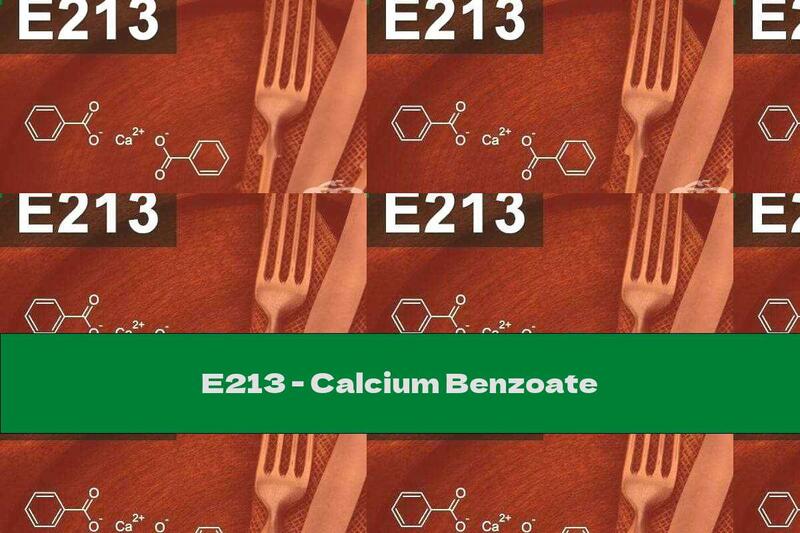
Calcium benzoate is a preservative that prolongs the shelf life of food products, preventing them from becoming infected with bacteria, viruses and yeast. From a chemical point of view, E 213 is the calcium salt of benzoic acid. By physical properties - these are white crystals in the form of powder. The substance is obtained by the reaction of benzoic acid with calcium hydroxide or carbonate. Impurities: free benzoic acid, carbonates, peroxybenzoates. The solubility of calcium benzoate in water depends on its temperature (values calculated per 100 ml of water: 2.32 g at 0 ° C; 2.72 g at 20 ° C and 8.7 g at 100 ° C).
Use
The substance is used as a food preservative in the USA, EU, New Zealand. The supplement has antimicrobial and fungicidal action. It is used mainly in soft drinks (in particular, malt), fruit and vegetable juices, purees, sauces (which do not contain dairy products), chewing gum, ice cream, fish.
Impact on humans
Calcium benzoate is absorbed in the gastrointestinal tract, where it binds to the amino acid glycine (coenzyme A acts as a mediator), forms hippuric acid and is excreted by the kidneys. This mechanism does not always work in animals, because even small amounts of benzoic acid have a highly toxic effect on their body.
The permissible daily dose of E 213 for humans is 5 mg / kg. The substance has an adverse effect: it causes symptoms of asthma, allergies, urticaria, eczema, hyperactivity, which adversely affects children because they are overexcited and distracted.
Calcium benzoate is a carcinogen. It is better to avoid eating foods that contain it, because it is directly related to your health.
- E211 Sodium benzoate
- E218 Methyl p-hydroxy benzoate
- E216 Propyl p-hydroxy benzoate
- E212 Potassium benzoate
Related Articles
- The Ultimate Guide to Calcium Carbonate in Nutrition
- The Role of Sodium Methyl Para-Hydroxybenzoate in Nutrition: Preservative Properties & Health Concerns
- Nutritional Benefits of Cow Milk: Importance of Calcium, Vitamins, and Protein
- Nutritional Benefits of Cottage Cheese: Protein, Calcium, and More
- The Ultimate Guide to Calcium Lactate in Nutrition: Benefits, Sources, and Recipes
Top Nutrition Articles Today
- . Diet After Surgery Of The Small And Large Intestine
- . The Importance of Food Labels in Nutrition: A Comprehensive...
- . Jam For Breakfast To Lose Weight? Why Not?
- . How To Reduce Appetite
- . The Role of Sodium Bicarbonate in Nutrition: Benefits and Us...
- . Diet to Lower Cholesterol and Triglycerides: A Comprehensive...
- . Fat Free
- . The Ultimate Guide to Creating a Well-Structured Diet Plan f...
- . The Nutritional Benefits of Mangostine: A Tropical Fruit for...
- . THE EATING ORDER – FOOD SEQUENCE IS IMPORTANT