How To Make Parmesan (Parmigiano-Reggiano) And Is It Useful
 Author: Alexander Bruni
Time for reading: ~5
minutes
Last Updated:
January 27, 2026
Author: Alexander Bruni
Time for reading: ~5
minutes
Last Updated:
January 27, 2026
CHAPTERS (Table Of Contents)
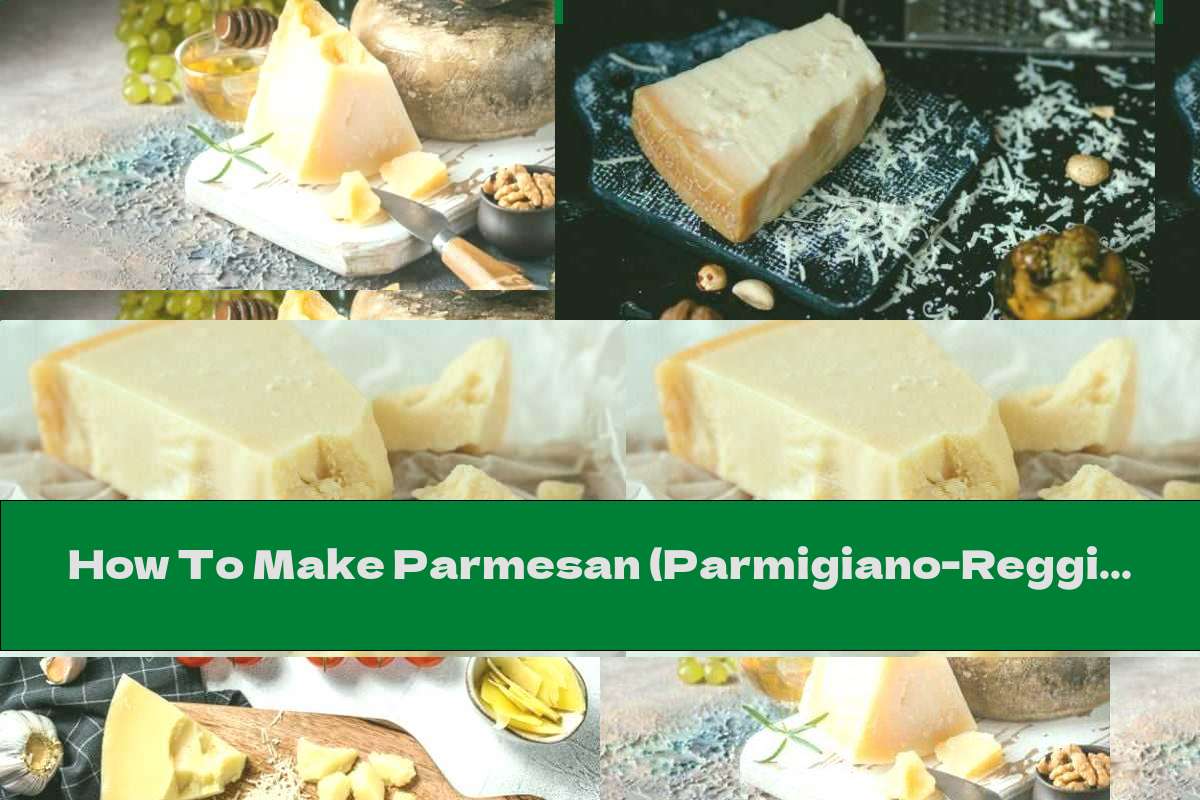
The real Parmesan is called Parmigiano-Reggiano or translated into Bulgarian Parmigiano-Reggiano. It is a hard-aged cheese with an expressively strong and sharp taste. Its flavors can range from slightly sour to nutty.
Parmesan is a traditional Italian hard cheese that undergoes a long aging process lasting an average of 2 years. There are species that have matured for 3 or even 4 years. They have an extremely sharp taste. The cheese is rich in protein and contains almost no lactose. Its consumption is important for the development of the body and keeping the body in shape. The protein content helps the development of muscles, organs, glands and every cell in the human body. We will look at the unique health benefits that Parmesan cheese offers, along with its nutritional composition and contraindications for consumption, we will also understand how to prepare the Italian dairy product.
The essence of Parmesan cheese
The real Parmesan is called "Parmigiano-Reggiano" or translated into Bulgarian " Parmigiano-Reggiano ". It is a hard-aged cheese with an expressively strong and sharp taste. Its flavors can range from slightly sour to nutty. The texture is firm and crumbly, and more mature varieties can be crunchy due to the development of calcium lactate crystals in them. The cheese has the status of "Protected Designation of Origin" in the European Union. According to this status, only cheese produced in certain Italian regions may use the name "Parmigiano-Reggiano" or "Parmesan". These are the regions of Bologna, Mantua, Modena, Parma, Reggio Emilia. In countries outside the European Union, "parmesan" is called a cheese that resembles Italian "
How to make Parmesan cheese?
Parmigiano-Reggiano is made from unpasteurized raw milk from grazing cows. In winter, farmers can add dehydrated grass and hay to animal feed. To prepare the cheese, the producers mix unpasteurized milk with a starter culture and rennet. During the aging process, a master strictly observes each piece of Parmigiano-Reggiano until it matures, ie 12 months. This check is strict and if a wheel of cheese has a minor defect, it loses its Parmigiano-Reggiano status.
Composition and useful properties of parmesan
All cheeses have certain common characteristics. Parmesan has some unique advantages due to the production process.
Cheese is easily digested by the body and is an excellent source of calcium, which in turn is a vital element that builds a healthy bone system. Parmesan contains vitamin A, important for the health of teeth, skin and body tissues. The presence of vitamin D in cheese reduces the risk of developing gestational diabetes and promotes the development of the embryo in pregnant women.
It is an ideal food supplement for children and adolescents, as it contains substances that stimulate growth. It is also good to consume by the elderly because it contains vitamin B12, and it prevents possible memory loss and fatigue. The phosphorus in the content also contributes to maintaining a healthy bone system and skin, as it maintains a natural alkaline-acid balance (pH) and improves the various biological functions of the brain. Vitamin B2, as well as the riboflavin in cheese, help to overcome nervous problems, anxiety, stress and insomnia.
1. Rich source of proteinParmesan is extremely high in protein - more than some cheeses and meats. The reason for this is partly due to the aging process and the lack of moisture in the parmesan. To be specific, parmesan contains only 30% moisture, which is much less than in other cheeses. The protein content of different types of cheese per 100 grams of product is as follows:
- Camembert - 19.8 grams of protein;
- cheddar - 24.9 grams of protein;
- mozzarella - 22.2 grams of protein;
- parmesan - 35.8 grams of protein.
Some people have problems digesting the milk protein casein. Although Parmesan contains the same protein, it is in a much easier form to digest. The reason for this is the aging process that Parmesan cheese goes through. During aging, lactic acid enzymes produced during fermentation break down casein proteins into smaller proteins. As a result, the casein in parmesan is almost "absorbed" when it enters the body.
The minimum time required for Parmigiano-Reggiano ripening is 12 months, and the process of protein degradation occurs only in the early stage of ripening. The protein in parmesan, aged for two or more years, is easier to digest.
3. Contains minimal amounts of lactoseLactose intolerance is a very common problem worldwide, with about 65% of older people having problems digesting milk sugar. Parmesan contains virtually no lactose. People who are lactose intolerant are better off avoiding all dairy products, including Parmigiano-Reggiano.
4. Source of mineralsParmesan contains important minerals that the human body needs. These are:
- calcium - 118% *
- magnesium - 11% *
- phosphorus - 69% *
- sodium - 67% *
* Percentage of the recommended daily intake.
It also contains good amounts of sulfur and potassium.
5. Source of omega-3 fatty acidsParmesan contains 190 milligrams of omega-3 fatty acids in 100 grams of product. These fatty acids have proven health benefits - lowering triglyceride levels, reducing inflammation, improving vascular function and lowering blood pressure.
6. A good source of vitamin K2Vitamin K2 improves bone and muscle health, reduces the risk of osteoarthritis. It is formed in animal foods such as meat, dairy products and eggs. It is especially high in foods produced from grazing animals. Soft Camembert cheese usually contains the most vitamin K2, but Parmesan is also a good source.
Contraindications to the consumption of Parmesan
Parmesan is widely used mainly in cooking because of its rich taste, aroma and useful properties. It is a great addition to a variety of foods and is characterized by a pleasant aroma and slightly salty taste. The benefits of consuming Parmesan are many, but its use should not be overdone.
Cheese also contains sodium, and excessive consumption can increase the risk of heart disease and high blood pressure. A 50 gram serving contains 780 milligrams of sodium, which is 32.5% of the daily dose. If you are genetically predisposed to any of these diseases, it is better to limit the intake of sodium and products that contain it in large quantities.
What is parmesan used for in cooking?
- Parmesan can be served as a table or dessert cheese.
- Sprinkle on pasta, spaghetti, lasagna, risotto or on salads (vegetables and fruits). It goes well with chicken, fish and cream soups. This exquisite cheese gives a rich aroma and a pleasant texture to the dishes.
- Parmigiano-Reggiano goes very well with fruits such as pears and figs.
- You can serve this delicacy with a glass of red wine. Grated on bruschettas or toasted bread, serve as a light appetizer.
- Italian pesto sauce is prepared with basil, olive oil and grated Parmesan cheese. A variety of sauces are prepared on the basis of this cheese.
Related Articles
- The Ultimate Guide to Food Labels in Nutrition: How to Read and Make Healthy Choices
- The Ultimate Guide to Food Labels in Nutrition: How to Read, Understand, and Make Healthy Choices
- Nutrition in Cupcake Recipes: How to Make Your Sweet Treats Healthier
- The Ultimate Guide to Food Labels in Nutrition: How to Make Informed Choices
- The Ultimate Guide to Food Labels in Nutrition: How to Read and Make Informed Choices
Top Nutrition Articles Today
- . Foods High In Folate And B12
- . Chicory: 15 Health Benefits, How To Drink, Contraindications...
- . Dishes From Neighboring Countries That We Love: Potato Panca...
- . The Ultimate Guide to Vitamin E in Nutrition: Sources, Benef...
- . What To Cook With Sweet Potato
- . The Essential Role of Copper (Cu) in Nutrition: Sources, Ben...
- . Nutritional Benefits of Pizza: Key Nutrients, Healthier Opti...
- . The Role of Samarium in Nutrition: Benefits and Food Sources
- . The Delicious and Nutritious World of Minibrownies: A Guide...
- . The Complete Guide to E339ii in Nutrition: Benefits, Regulat...