Hunger - Which Foods Are Controlled Effectively?
 Author: Dean Rouseberg
Time for reading: ~1
minutes
Last Updated:
August 08, 2022
Author: Dean Rouseberg
Time for reading: ~1
minutes
Last Updated:
August 08, 2022
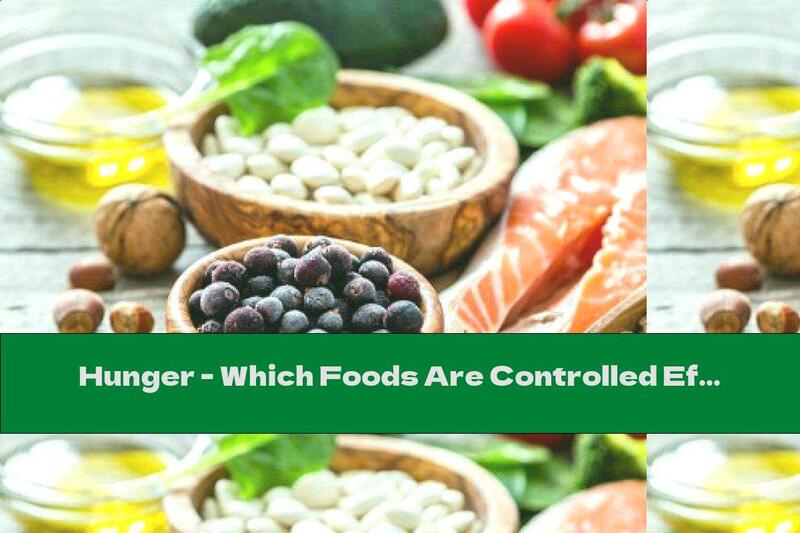
Blood sugar levels are directly related to mood and behavior. Low glucose leads to hunger, fatigue and irritability.
The feeling of hunger, even with regular food or soon after, is exhausting, unpleasant and leads to severe discomfort. Many believe that the cause is rooted in the stress of hectic and chaotic modern life, but this is not true. There is only one reason: poor nutrition, and hunger and nervousness are the body's natural reaction to low blood sugar.
Blood sugar ( glucose ) levels are fluctuating - they change constantly under the influence of diet, physical activity and often - the psycho-emotional state. They are considered optimal when they are between 70 and 110 milligrams / deciliter. Values below 70 mg / dl are considered hypoglycaemia - low blood sugar. Hypoglycaemia is characterized by fatigue, tremors, heart rhythm disturbances, anxiety, stress, automatism, confusion, irritability, loss of self-control, negative feelings and hunger.
Often leading people into conflict situations, episodes of hypoglycemia also affect the body, especially with the combined effect of hunger and decreased self-control - a sure recipe for overeating.
To avoid such conditions, it is advisable to consume foods rich in carbohydrates and low glycemic index - oats, bran and whole grains, milk, pears, apples, oranges, soy products, nuts and seeds. They should be combined with protein- rich foods - yogurt, eggs, white meat, fish, tofu. Both types of food should be accompanied by abundant amounts of water- soluble fiber - citrus fruits, sweet potatoes, beans and lentils, flaxseed and others.
The low glycemic index of foods is especially important. It reflects the potential of food to raise blood sugar. If the index is high (above 70), it means that the food is rich in free sugars, which very quickly enter the blood in large quantities and cause a sharp jump in glucose. It quickly subsides and leads to an even sharper drop in blood sugar, which again leads to hypoglycemia and starvation, even very soon after eating.
Related Articles
- Nutrition for Respiratory Health: Supporting Your Lungs with the Right Foods
- The Ultimate Guide to High Gluten Foods: Benefits, Sources, and Recipes
- The Ultimate Guide to High Gluten Foods: Effects, Benefits, and Recipes
- Nutrition and Libido: Enhance Your Sex Drive with the Right Foods
- Understanding E+631 in Nutrition: Health Implications, Common Foods, and Alternatives
Top Nutrition Articles Today
- . How To Cook Spinach Soup With Corn Flour, Parmesan And Garli...
- . Is It Filled With Carbonated Water?
- . The 123 Approach to Nutrition: Benefits, Implementation, and...
- . Water Protects Against Diabetes
- . E515: Potassium Sulphates and Potassium Bisulphates - Functi...
- . Hydrochloric Acid in Nutrition: Importance, Effects, and Sup...
- . The Role of Disodium Diphosphate in Food: Uses, Health Conce...
- . Understanding E476 in Nutrition: Benefits, Foods, Concerns,...
- . Steroids in Eggs: Separating Fact from Fiction | Nutrition a...
- . How To Cook Caramel Cream Mousse (for Cakes And Pastries) -...