Intestinal Bacteria Protect Against Obesity
 Author: Mark Velov
Time for reading: ~1
minutes
Last Updated:
August 08, 2022
Author: Mark Velov
Time for reading: ~1
minutes
Last Updated:
August 08, 2022
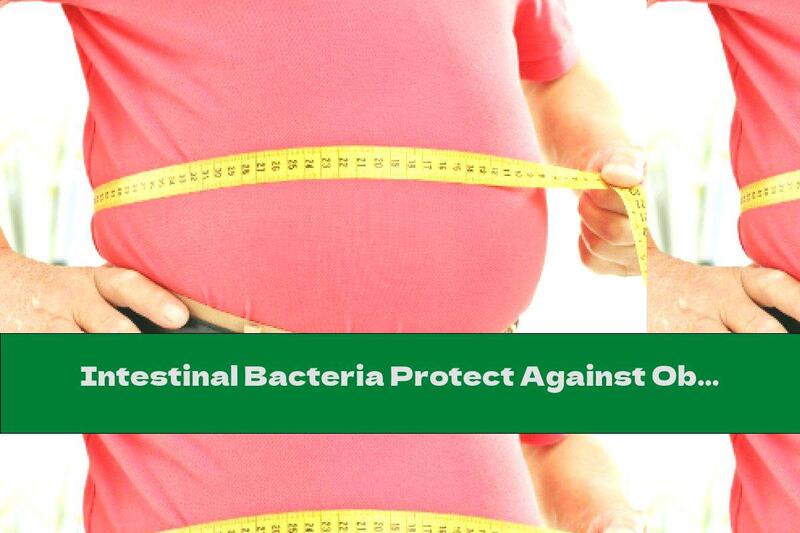
In this article, learn more about Intestinal Bacteria Protect Against Obesity. It is a normal inhabitant of the intestine.
The bacterium Akkermansia Muciniphila is one of the hundreds of species of microorganisms that make up the normal intestinal flora . In a healthy body, bacteria of this species can reach up to 5% of the total mass of intestinal microflora, which is about two kilograms.
It is not scientifically specified how the colonization of the gastrointestinal tract of this species takes place, but it is assumed that the process takes place during breastfeeding. It is not known which foods contain acermansia to be used as probiotics.
Akkermansia Muciniphila inhabits the mucous layers covering the intestinal epithelium and feeds on mucus (mucus). However, it stimulates the production of more mucus from the goblet cells of the intestinal epithelium. The thickness of the intestinal mucosa has a protective function. Mucus serves as a mechanical barrier to pathogenic microorganisms and toxic substances.
It has been found that the amount of Akkermansia Muciniphila in the intestines of overweight people and / or with type 2 diabetes is significantly reduced (tens to hundreds of times compared to the norm). The thickness of the mucous protective layer is also reduced. This leads to an increase in the rate of absorption of nutrients that more easily reach the intestinal epithelium. In this way, more calories are absorbed from food.
Researchers at the University of Louvain in Belgium are conducting an experimental study on the association of quantitative Akkermansia Muciniphila in the gut with the development of metabolic syndrome . At the end of the experiment, it was found that stimulation of Akkermansia Muciniphila in the intestine by taking appropriate prebiotics with food, there is a decrease in insulin resistance, an increase in the thickness of the intestinal mucosa and even weight loss.
Such results only support the idea that the harmonization of the intestinal microflora may be relevant to the treatment or alleviation of certain systemic diseases.
Related Articles
- The Power of E 161 B Lutein: Benefits for Eye Health, Skin Protection, and More
- The Power of E 161 B Lutein: Benefits for Eye Health, Skin Protection, and Heart Health
- Kali Sorbate: A Food Preservative for Mold, Yeast, and Bacteria
- The Role of Beta Carotene in Nutrition: Boosting Immune System, Protecting Eye Health, and More
- Sealing - No Air, No Bacteria
Top Nutrition Articles Today
- . Calcium In Lentils
- . Jam For Breakfast To Lose Weight? Why Not?
- . Diet After Surgery Of The Small And Large Intestine
- . The Power of Red Foods: Health Benefits and Nutrition Guide
- . How To Cook Squid Salad With Cucumbers, Olives And Onions -...
- . The Importance of Food Labels in Nutrition: A Comprehensive...
- . What Are The Benefits Of Salmon Caviar
- . Rc Whey Protein
- . The Ultimate Guide to Magnesium Carbonate in Nutrition: Bene...
- . Understanding Emulsifier E481: Functions, Health Impact, and...