Intestinal Microbiota And Carcinogenesis - Disturbed Intestinal Flora Leads To Cancer
 Author: Victoria Aly
Time for reading: ~3
minutes
Last Updated:
January 27, 2026
Author: Victoria Aly
Time for reading: ~3
minutes
Last Updated:
January 27, 2026
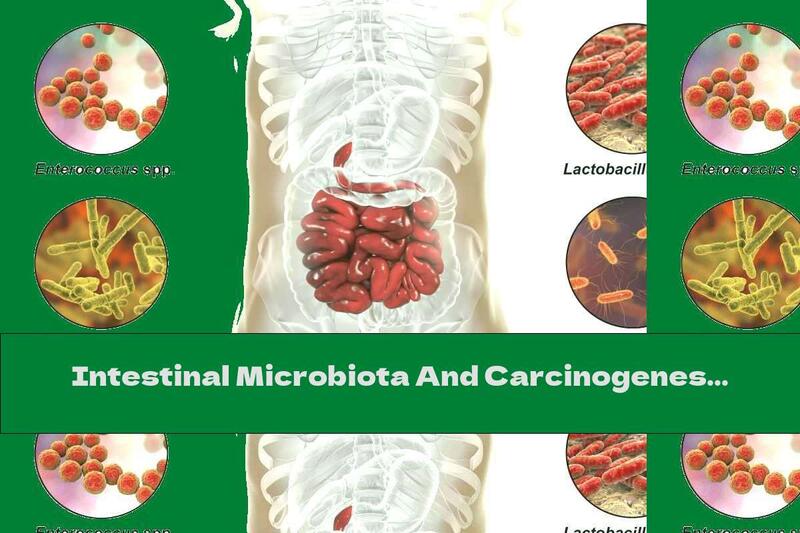
In the past we underestimated the intestinal flora, but nowadays it has been found that its violation is associated with the development of a number of pathologies, including cancer.
The term microbiota refers to the collection of microorganisms that inhabit the epidermal and mucosal barriers. The intestinal microbiota consists of several tens of trillions of microorganisms, including over 1,000 different bacterial species, the most common of which are the genera Firmicutes and Bacteroidetes .
The total mass of the human microbiota is about two kilograms. About one third of it is common to all people, but the other two thirds are individual to each person. It is believed that diet is the main factor in the development and change of the intestinal flora - only 4-5 days when changing the diet, the intestinal microbiota of a person changes completely. In this sense, it has undergone many transformations in the course of human evolution in the transition from plant-eating, to raw-eating, to heat-treated meat and other products.
Intestinal bacteria play a key role in maintaining immune and metabolic homeostasis, vitamin production and more. Disorders in the composition of this flora are referred to as dysbiosis. They are associated with the development of various pathologies, including cancer.
We believe that the human intestinal flora begins to develop from birth , but in fact, according to some studies, bacteria are also found during pregnancy. It turns out that the method of birth also has a huge impact. It has been found that in children born normally the intestinal flora initially includes a large amount of vaginal bacteria, while in those born by cesarean section the flora is more difficult to colonize and has a disturbed composition.
In most babies born normally, the intestinal flora is very similar to the mother's fecal, while in those with a caesarean section, the percentage is almost twice as small.
According to some other studies, long-term use of antibiotics increases the risk of developing neoplasia, and one of the presumed causes is disturbances in the normal microbiota. A study in the United Kingdom involving 22,000 people and lasting six years found that those who used antibiotics, including penicillins, quinolones and metronidazole, had an 8-11% higher risk of developing colorectal cancer.
The intestinal microbiota normally produces factors that protect the mucosa - e.g. short-chain fatty acids (butyrate, propionate) block histone deacetylases and have antitumor effects. However, in pathological dysbiosis, certain subpopulations can grow and produce toxins that trigger inflammation and tumorigenesis. Thus, in disturbed intestinal microflora, these factors are absent or reduced, which increases the risk of developing colorectal cancer and lymphoma.
According to some studies, some probiotics reduce antineoplastic action and reduce the risk of cancer. The same results were observed if only substances synthesized by these bacteria were administered. An example of this is the metabolite ferricrome, which is secreted by Lactobacillus casei and triggers apoptosis of tumor cells. Other studies have shown that Lactobacillus can stimulate certain immune cells (NK cells), dendritic cells or T-helpers, which in turn eliminate cancerous or precancerous cells. However, the substance that causes this effect has not yet been identified.
On the other hand, not only disruption of the normal microbiota, but also some infections can cause carcinogenesis. The first such carcinogen to be isolated is the CagA toxin from Helicobacter pylori.
Improper diet is also associated with altered microbiota and increased risk of developing intestinal tumors. A high-fat diet supports sulfate-reducing bacteria (eg Desulfovibrio vulgaris ), which transform bile acids into secondary ones (lithocholic, deoxycholic), which are associated with an increased risk of developing colorectal cancer. Conversely, high fiber intake induces the synthesis of short-chain fatty acids and has an antitumor effect.
The intestinal microbiota and its role in carcinogenesis is a modern discovery that gives us a new perspective on the pathology of this multifactorial disease. They are the first to establish the connection of the intestinal flora in various pathological conditions.
Related Articles
- How To Protect Yourself From Five Types Of Cancer: Instructions For Women
- Peanuts For The Heart, Against Stroke And Cancer: 13 Scientifically Proven Facts About The Benefits Of Peanuts
- A Popular Drink Against Cancer, Stroke, Obesity And Diabetes: 10 Useful Properties Of Green Tea
- When Does Cancer Spread To Bone Tissue?
- What To Do To Avoid Getting Cancer: TOP-8 Conditions
Top Nutrition Articles Today
- . The Impact of Acidity on Nutrition: Maintaining a Healthy pH...
- . High Flavonoid Cocoa Powder
- . How To Reduce Appetite
- . The Power of Bella: Health Benefits, Recipes, and More
- . Persimmons - Benefits And Harms To Health
- . How To Cook Stuffed Chicken With Dried Fruits, Walnuts And H...
- . Lentils - Saturate And Provide Folic Acid
- . The Role of K12 in Nutrition: Benefits, Sources, and Recomme...
- . Lifestyle Choices Impacting Weight Management: Nutrition, Ex...
- . Nutritional Benefits of Champignons: A Healthy Addition to Y...