Iodine In Food - Why Do We Need It?
 Author: Nia Rouseberg
Time for reading: ~3
minutes
Last Updated:
August 08, 2022
Author: Nia Rouseberg
Time for reading: ~3
minutes
Last Updated:
August 08, 2022
CHAPTERS (Table Of Contents)
In this article, learn more about Iodine In Food - Why Do We Need It?. Which foods can get enough iodine?.
Iodine is a mineral that is vital for the proper functioning of the thyroid gland, and it has one of the leading roles in the work of the whole organism. Metabolism of the whole body, bone health, immune response and even the development and condition of the central nervous system depend on it. With its participation, thyroid-stimulating hormone (TSH) is converted into triiodothyronine (T3) and thyroxine (T4). Nearly four-fifths of the iodine in our body is found in the thyroid gland. The rest is contained in the blood, muscles, ovaries in women ...
Although iodine deficiency as a population problem was solved with salt iodization decades ago, billions of people around the world suffer from it. More women are affected, which is why it is recommended to test thyroid hormones for prophylactic purposes at the age of 50-55 years.
The recommended amount of iodine that we should take with our diet during the day after the age of 14 is 150 micrograms for both sexes. The need for it increases during pregnancy and lactation, respectively at 220 and 290 micrograms.
Besides iodized salt, the best source of the mineral is seafood. Iodine is also found in other foods, but its amount depends a lot on how rich the soil was, where the plant products come from or the cattle are fed.
With which products how much iodine can we get?
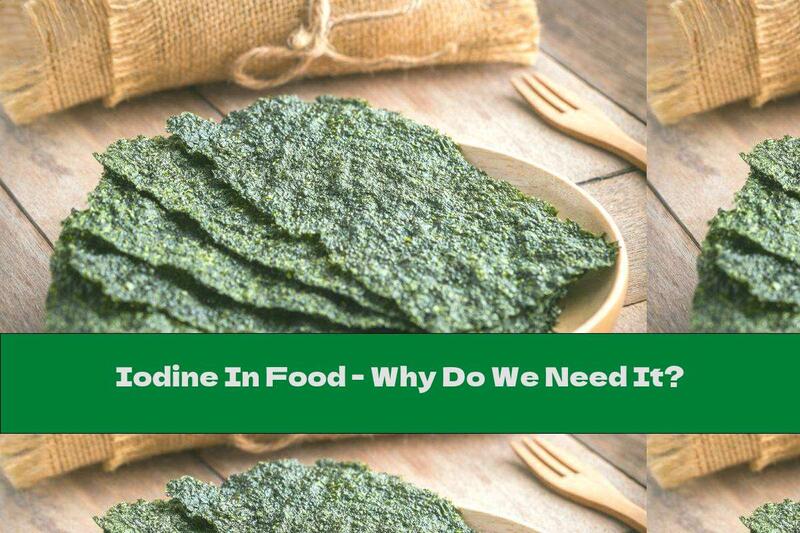
For example, 1 gram of seaweed contains from 16 to 2982 micrograms of iodine. A gram and a half of iodized salt provides 71 micrograms of iodine, which is equivalent to approximately half of the daily requirement.
Approximately 100 micrograms can be obtained from 100 grams of roasted cod . From one egg - 24 micrograms. Iodine is found in milk, fresh and sour, and in dairy products in varying amounts. A glass of milk can have 56-88 micrograms. The harder the cheese, the lower the iodine in it. White cheese has more iodine than yellow cheese.
Iodine is also found in shrimp, tuna, prunes, and some mineral-rich baked goods.
The mineral is often present in our food not in "pure form", but in the form of potassium or sodium iodide.
Iodine is one of those minerals that is a "double-edged sword"
Both its deficiency and high doses are unfavorable for our body. For example, the maximum high dose that can be taken per day is 1100 micrograms in adults and no more than 200-300 micrograms per day in children under 8 years of age, which should be consulted by a specialist.
Excessive doses of iodine can also lead to thyroid problems - thyroid dysfunction, goiter, thyroiditis and even cancer.
For example, in the presence of an autoimmune disease, such as Hashimoto's thyroiditis , even with hypothyroidism, iodine intake is not recommended. Therefore, the intake of dietary supplements rich in iodine should be agreed with the follow-up specialist in case of proven thyroid disease.
Interacts with drugs
It should also be known that dietary supplements containing iodine interact with some drugs. Such are the drugs for hyperthyroidism; angiotensin-converting enzyme (ACE) inhibitors, diuretics containing potassium iodide, warfarin and other blood-thinning drugs, amiodarone.
In case of excessive iodine intake, the following symptoms are described: burning in the mouth, throat and stomach, fever, abdominal pain, nausea, vomiting, diarrhea, weak pulse, coma. These cases are rare and are due to mineral poisoning.
Why is iodine deficiency a problem?
Such a deficiency occurs when taking iodine below 100 micrograms. The body then responds with elevated TSH levels. Hypothyroidism develops with iodine below 10-20 micrograms per day and obvious swelling of the goiter in the area of the thyroid gland.
Iodine deficiency is fatal in pregnancy because it adversely affects the development of the embryo and fetus and affects the mental, physical and neurological development of the unborn child. Iodine deficiency in children affects their intellectual development.
oav
As signs of iodine deficiency were observed: unexplained fatigue, tendency to depression, hair loss, weak hair, dry skin, unexplained weight gain, chills, constipation. Some complain of sore throat, discomfort when swallowing and breathing.
What else is iodine used for?
Sodium iodide is used to clean wounds; iodine water is used for rinsing in inflammation of the oral cavity after chemotherapy; benefits of iodine shower as a drug to relieve the symptoms of vaginitis have been reported. Potassium iodide helps to reduce the accumulation of radioactive iodine in the thyroid gland after radiation exposure.
In any case, the iodine contained in food can be good for health as part of a varied balanced diet.
Related Articles
- Nutrition for Respiratory Health: Supporting Your Lungs with the Right Foods
- The Ultimate Guide to High Gluten Foods: Benefits, Sources, and Recipes
- The Ultimate Guide to High Gluten Foods: Effects, Benefits, and Recipes
- The Ultimate Guide to Lactic Acid in Nutrition: Benefits, Food Sources, and Recipes
- The Nutritious World of Wendy's Salads: A Healthy Fast Food Option
Top Nutrition Articles Today
- . 30 Grams Of Carbs
- . Steroids in Eggs: Separating Fact from Fiction | Nutrition a...
- . Black Chickpeas Nutrition
- . Understanding Acidity Regulators in Nutrition: Types, Benefi...
- . Nutrition In Urethritis (inflamed Urethra / Urethra)
- . The Power of 100% Cocoa Dark Chocolate: Benefits and Uses
- . Are Simple Sugars The Culprits For Most Diseases
- . Ligament Vitamins: Signs Of Deficiency And Daily Value
- . Breastfeeding A Baby With Low Blood Sugar
- . How To Cook Caramel Cream Mousse (for Cakes And Pastries) -...