Is It Useful To Eat Duck Meat
 Author: Leticia Celentano
Time for reading: ~4
minutes
Last Updated:
August 08, 2022
Author: Leticia Celentano
Time for reading: ~4
minutes
Last Updated:
August 08, 2022
CHAPTERS (Table Of Contents)
Duck meat is an excellent source of protein, B vitamins and other important nutrients. It is rich in fat, mostly healthy unsaturated. It is good for a person's overall health.
Duck , although often associated with high fat content, is very rich in nutrients. It is an excellent source of protein and healthy unsaturated fats, as well as trace elements, including selenium, iron and niacin. Duck meat is extremely fragrant, has a rich taste of meat. Most cooking methods involve preparing the duck, which releases most of the fat. Rendered duck fat can be used as a healthier alternative to butter or other animal fats used in cooking. There are two main varieties of ducks raised for consumption: Peking and Moscow.
Nutritional composition of duck meat
Duck meat provides high quality protein with a variety of essential and non-essential amino acids. It is extremely rich in selenium (32% of the daily norm) and phosphorus (20% of what is needed for the day). It is also a good source of zinc, iron, copper; smaller amounts of potassium, magnesium, manganese, calcium and sodium. Small amount of vitamin C, B vitamins, high content of niacin and B12. Like other B vitamins, niacin plays an important role in the conversion of carbohydrates into glucose and is an important trace element for fat and protein metabolism. B12 is essential for nerve function, red blood cell formation and DNA synthesis.
100 grams contain 25-28% of the required daily dose of B2 (riboflavin), B1 (thiamine), 13% vitamin B6 and 7% B12. The composition of the product includes small amounts of salts of folic acid and vitamins A, E, K (from 2 to 5% of the recommended daily dose).
Although this meat is rich in cholesterol, it also contains fatty acids, along with omega-3 and omega-6, which are good for heart health. The amount of total fat in duck varies depending on whether it is consumed with or without the skin. 100 grams of the product contains 65 mg of choline (vitamin B4) and 8.4 mg of betaine. These two substances are important for the formation of the cell membrane, lipid metabolism, nerve impulses. Tests show that duck fat is rich in oleic acid, which protects the cardiovascular system. Contains enzymes that regulate metabolism and help cleanse the body of carcinogens.
Nutritional value per serving (85 grams) of roasted turkey breast without skin:
- 119 calories;
- 2 grams of fat;
- 89 grams of sodium;
- 0 grams of carbohydrates;
- 0 grams of fiber;
- 0 grams of sugar;
- 23.5 grams of protein.
Useful properties of duck meat
Source of protein
Duck meat contains animal protein. Provides some of the beneficial nutrients common in red meat (such as iron) and less saturated fat.
Strengthens the immune systemDuck meat is a good source of selenium - an important antioxidant that can help prevent cell damage and fight inflammation. Two important factors for maintaining the immune system.
Maintains a healthy thyroid glandConsumption of adequate amounts of selenium is important for thyroid health. A portion of 85 grams of duck meat provides over 50% of the daily requirement of selenium.
Protects bonesSome studies have shown that consumption of animal protein, including duck, can improve bone density and strength - as long as calcium intake is also sufficient.
Reduces the risk of heart diseaseOily fish is considered a major source of omega-3 fatty acids, but duck also contains these heart-healthy fats in adequate amounts. Eating duck and other poultry has potential health benefits that protect against the risk of cardiovascular disease. Duck provides approximately as much iron as red meat and significantly more than chicken.
Substitute for butter and other animal fatsDuck fat is no healthier than olive oil and other fats that are liquid at room temperature. It contains a high percentage of unsaturated fats and more saturated than olive oil. It does not contain all the useful polyphenols that are in extra virgin olive oil. In terms of saturated fats, duck fat is healthier than butter, lard or beef tallow and can be used as a substitute. Unlike butter, duck fat has a more pronounced taste than animal fat.
Is it harmful to eat duck meat?
There are no known manifestations of allergy or intolerance associated with the consumption of duck. People who are allergic to meat can get the same reaction when eating duck meat.
How are duck meat and fat cooked and stored?
Many chefs prefer to serve the duck mussels (degree of readiness between alangle and medium roast), but it is recommended to cook to an internal temperature of 75 degrees, as all poultry is prepared.
To make duck fat, melt it and strain it through cheesecloth to filter out any particles that may have separated from the meat. Allow it to cool and then store it in an airtight container in the refrigerator for up to 6 months or in the freezer for up to a year.
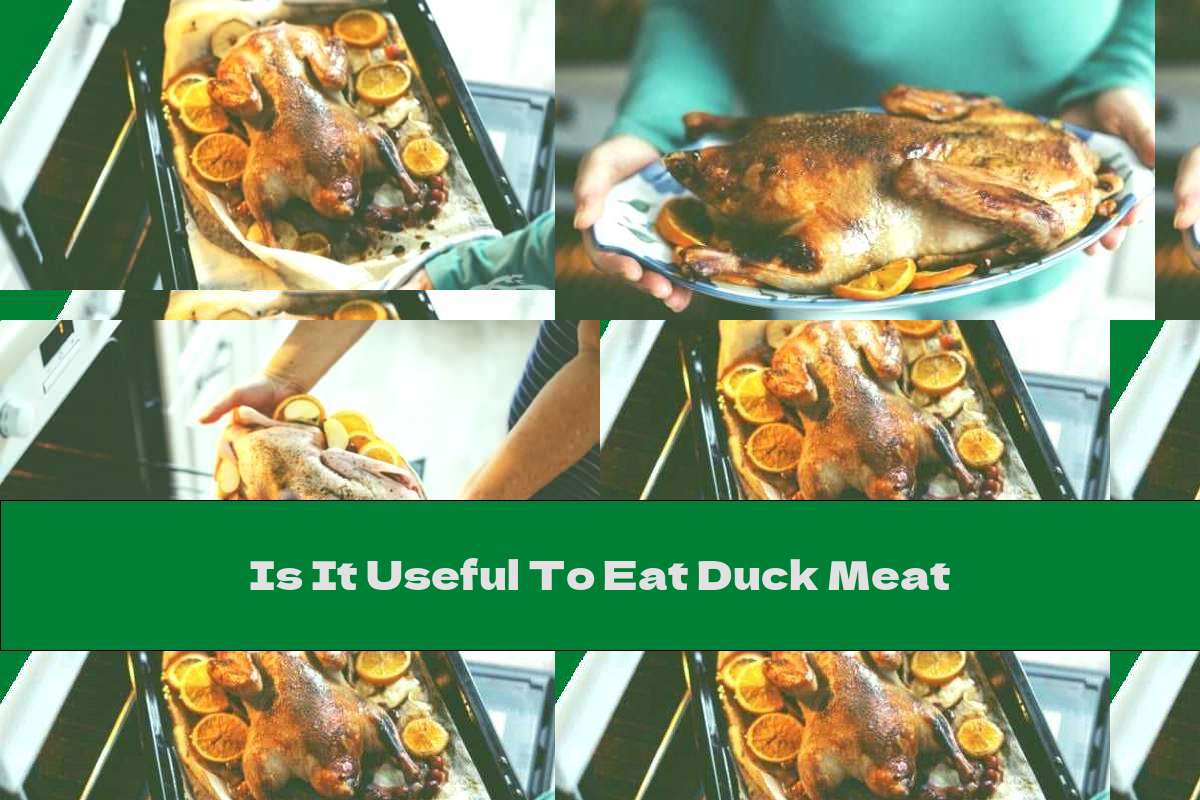
There are countless ways to prepare duck: roasted whole duck, roasted duck breast, cooked slowly in its own fat duck leg, duck sausage, duck bacon and others. Use melted duck fat to make fried or baked potatoes. Keep in mind that some parts of the duck are healthier than others. Duck liver from a fattened duck, known as duck liver, is much less healthy than duck breasts or legs.
Duck meat combines very well with fruits and vegetables that have a natural sweetness, such as cherries, pomegranates and apricots, as well as pumpkins and sweet potatoes. The duck combines perfectly with a number of spicy products.
- Duck egg
Related Articles
- The Role of Meat in Nutrition: Types, Diets, and Cooking Methods
- The Nutritional Benefits of Wild Boar: A Lean and Protein-Rich Meat
- The Ultimate Guide to Vegetarian Meatloaf: Benefits, Recipes, and More
- Nutritional Benefits of Wild Boar Meat: A Lean Protein Source
- The Ultimate Guide to Lean Meat: Benefits, Recipes, and Tips
Top Nutrition Articles Today
- . One Meal a Day Menu: Benefits, Meal Planning, and Sample Men...
- . Nutrition In Cardiomyopathy
- . Sardines - Good For Bones
- . The Importance of Magnesium Chloride in Nutrition: Benefits...
- . 4 phases of digestion
- . Understanding Emulsifier E471: Functions, Health Concerns, a...
- . List of Foods that Contain Carrageenan: A Guide to Avoiding...
- . Steak Label
- . The Ultimate Guide to Bolay Nutrition Calories: Balancing, M...
- . The Power of 100% Cocoa Dark Chocolate: Benefits and Uses