Jalapeno Hot Peppers - Useful Properties And Contraindications
 Author: Ivan Red Jr.
Time for reading: ~7
minutes
Last Updated:
August 08, 2022
Author: Ivan Red Jr.
Time for reading: ~7
minutes
Last Updated:
August 08, 2022
CHAPTERS (Table Of Contents)
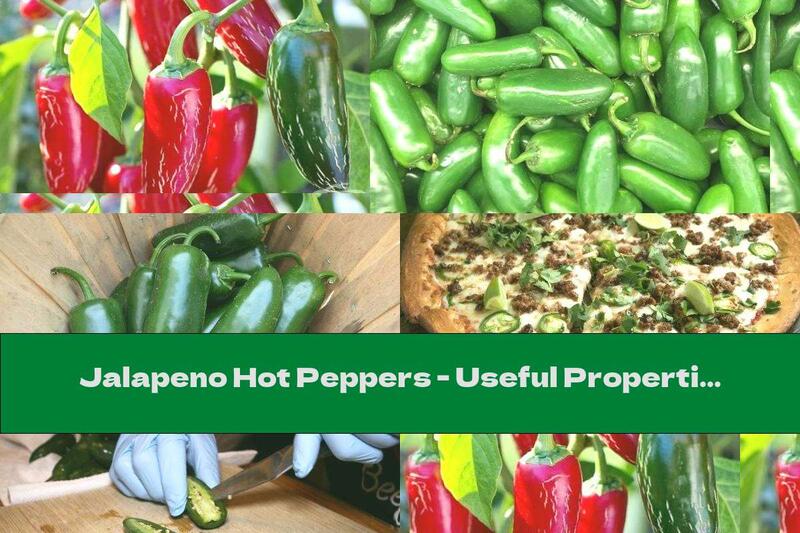
Jalapeno are a variety of spicy hot peppers. They are small, green or red in color and moderately hot. They are rich in capsaicin - an alkaloid that gives them their characteristic spicy quality and is responsible for many of their health benefits.
Jalapeno are a variety of spicy hot peppers . They are small to medium in size, green or red in color and moderately hot. They originate from Mexico and are an integral part of Mexican cuisine. Today they are widespread in other parts of the world. They are rich in an alkaloid called capsaicin, which gives them their characteristic spicy quality. Capsaicin is vital for health. It has been proven that for this reason, moderate consumption of hot peppers helps to:
- regulation of heartburn;
- acceleration of metabolic processes;
- successful overcoming of excess weight;
- destruction of carcinogenic cells;
- lowering cholesterol levels.
The important alkaloid is a valuable ingredient that is key to many cosmetic and pharmaceutical products. Various gels, ointments and medicines are prepared from Jalapeno because of their warming and anti-inflammatory action. In addition, they are part of preparations for skin allergies and others. They are used in cooking, used fresh, dried, marinated for the preparation of various dishes.
In this article we will look at the composition, the benefits of eating hot peppers Jalapeno and possible side effects.
Nutritional composition of Jalapeno peppers
Jalapenos are rich in minerals and vitamins - vitamin C, vitamin A, vitamin E, vitamin K, flavonoids - beta-carotene, lutein, alpha-carotene. All of them in turn protect the body from the adverse effects of free radicals caused by stress and disease. One raw hot pepper contains the following nutrients:
- 4 calories
- 0.4 grams of fiber
- Vitamin C - 10% of the daily requirement *
- Vitamin B6 - 4% *
- Vitamin A - 2% *
- Vitamin K - 2% *
- Folate - 2% *
- Manganese - 2% *
Like most fruits and vegetables, hot peppers are a good source of fiber. One small pepper provides 2% of the daily requirement for a person consuming 2000 calories a day. Jalapeno also contains large amounts of vitamin C and B6. Vitamin C is an antioxidant that fights free radical damage and keeps skin healthy and firm, while vitamin B6 is an important nutrient involved in over 140 reactions in the body.
Useful properties of jalapeno peppers
Consumption of hot peppers protects against joint problems, improves blood circulation, physical activity, prevents gastrointestinal disorders and has a positive effect on the lungs.
1. Help lose weightStudies have found that capsaicin and other similar compounds in hot peppers, called capsaicinoids, can boost metabolism by 4-5% per day, potentially helping to lose weight more easily. Capsaicinoid supplements reduce belly fat and appetite. Another plus is the low calorie content of vegetables. All these factors explain why regular consumption of hot peppers is associated with a significantly reduced risk of overweight and obesity.
2. Fight cancerCapsaicin has strong anti-cancer properties and is able to kill over 40 types of cancer cells without harming healthy cells. Capsaicin fights cancer by:
- stopping the growth and division of cancer cells;
- slowing the formation of new blood vessels around cancerous tumors;
- preventing the spread of cancer to other areas of the body.
There are studies that have found that eating hot peppers regularly is associated with a higher risk of developing cancer. However, not all studies claim this. Quantity also seems to matter. High doses of capsaicin slow the spread of cancer, while low doses can promote the spread. More research is needed to determine how capsaicin and hot peppers affect the risk of cancer in humans.
3. They have an analgesic effectCapsaicin is an effective analgesic when applied topically as an ointment to the skin. Soothes pain by temporarily blocking pain receptors in the area where it is applied. Burning may be felt at first, followed by tingling and pain relief. Capsaicin lotions and patches are often used to relieve pain caused by the shingles virus, diabetic neuropathic pain, and chronic muscle and joint pain.
A study of elderly people with rheumatoid arthritis found that pain was reduced by 57% after applying a capsaicin cream to the joints.
Capsaicin can also be used as a nasal spray to relieve migraine pain. Although capsaicin-containing lotions and sprays may be effective in treating pain, it is not clear whether eating Jalapeno or applying it to the skin will have the same effect.
4. Prevent stomach ulcersGastric ulcers can be caused by a number of factors, including high levels of stomach acid, H. pylori in the stomach, low blood flow to the stomach, taking too many painkillers, drinking alcohol, smoking and stress. Although spicy foods such as hot jalapeno peppers are commonly thought to cause or worsen stomach ulcers, research shows that this is not the case. Capsaicin in hot peppers can actually protect the stomach from developing ulcers by reducing stomach inflammation in people who have H. pylori in their stomach and even helping to eliminate the infection. However, it is not clear whether the amount of capsaicin in Jalapeno peppers is large enough to have this effect.
Chili peppers can also help reduce stomach damage caused by excessive use of painkillers and alcohol, as well as possibly preventing the formation of ulcers in the beginning.
5. Fight infectionsSpices and herbs have long been used in cooking to help prevent spoilage and food poisoning.
The compounds found in spicy hot peppers are especially powerful in slowing the growth of common food bacteria and yeasts. Chili pepper extracts can even stop the production of toxins by the bacteria that cause cholera, potentially reducing the impact of this deadly foodborne illness.
In addition to food poisoning, new research suggests that capsaicin may help prevent other types of infections, such as strep throat, bacterial caries and chlamydia. It is important to note that in all these studies, chili pepper extracts were used, not whole peppers. Another important thing is that they are held in test tubes, not with humans.
6. Support a healthy heartSome of the biggest risk factors for heart disease include diabetes, high cholesterol and high blood pressure. Capsaicin can help reduce the effects of these factors and keep the heart healthy.
Eating 5 grams of hot peppers before eating foods high in carbohydrates has been shown to help stabilize blood sugar and prevent a sharp rise in blood sugar after a meal.
How to add Jalapeno to the diet?
Jalapeno can be eaten raw, cooked, smoked (chipotle hot peppers), dried and even powdered. Studies show that there is almost no loss of capsaicinoids during the drying process. Only moderately reduces its content when smoked or marinated, so they can be useful for consumption in all its forms.
Jalapeno peppers can be added to the diet as follows:
- raw in salads, salsas, chutneys or guacamole;
- in spicy chili sauces;
- for garnish on pizza;
- for cooking in main dishes;
- marinated as a spice;
- smoked (chipotle hot peppers);
- in confusion;
- in baking dishes;
- in cornbread;
- to meat dishes, cheese or pilaf.
Capsaicinoid consumption is very high (between 25-200 milligrams per day) in countries such as India, Thailand and Mexico, where cooking with chili is more common, while in the United States it consumes about 1.5 milligrams of capsaicinoids per day.
Studies show that people who regularly eat hot peppers have a 12% reduced risk of death, even when controlling other factors, so it can be very helpful for people to add more spicy peppers to their diet.
The more spicy the pepper, the healthier the capsaicin it contains. The latest research shows the health benefits of less spicy capsaicinoid compounds.
Possible side effects and risks from the consumption of Jalapeno hot peppers
Despite all the benefits of jalapeno peppers, they must be used with great care, as they are contraindicated in certain conditions. Not recommended for consumption by pregnant women, nursing mothers, people suffering from ulcers, gastritis or other stomach problems.
The most common side effect after consumption is a temporary burning sensation in the mouth. Depending on the spiciness of the chili peppers, this reaction can vary from mild to severe. For people with low tolerance to spicy foods, there are several precautions that can reduce reactions after eating Jalapeno:
- Choose smooth red peppers without small brown scars, as the scars are a sign that the peppers are more spicy.
- Use gloves when choosing peppers to prevent the transfer of spicy ingredients to other sensitive areas of the body, such as the eyes.
- Remove the white membranes inside the Jalapeno peppers before cooking with them, as the membranes have the highest concentration of capsaicin.
- If the burning sensation becomes too strong, drinking whole cow's milk can help temporarily reduce the pain.
A study found that capsaicin can worsen heartburn, so people suffering from reflux should avoid eating Jalapeno.
People with irritable bowel syndrome should also be avoided so as not to experience unpleasant symptoms after eating, especially if they are not a regular food in their diet. Common side effects are abdominal pain, burning, cramps and diarrhea.
In addition, dried peppers and spices can be contaminated with aflatoxin - a type of mold that grows under certain foods and conditions.
Related Articles
- The Role of Sodium Methyl Para-Hydroxybenzoate in Nutrition: Preservative Properties & Health Concerns
- The Role of Functional Properties in Muffins: Nutrition, Diets, and Recipes
- The Functional Properties of Muffins in Nutrition: A Comprehensive Guide
- Nutritional Benefits of Functional Properties in Muffins: A Comprehensive Guide
- Functional Properties of Muffins in Nutrition: A Complete Guide
Top Nutrition Articles Today
- . The Role of Nitrogen in Nutrition: Importance and Sources
- . Nutrition In Hyperopia (farsightedness)
- . What To Cook With Sweet Potato
- . How To Cook Lunch For School: Pizza, Salad, Raw Candy, Pear,...
- . 5 Recipes For Potato Casserole In The Oven
- . Cooking A Festive Dinner In A Slow Cooker
- . How To Fry A Potato With A Crust
- . How To Make Easy Potato Salad
- . Understanding Cholesterol in Nutrition: Impact, Types, and R...
- . Nutritional Benefits of Fruit Skewers in Honey Syrup: A Heal...