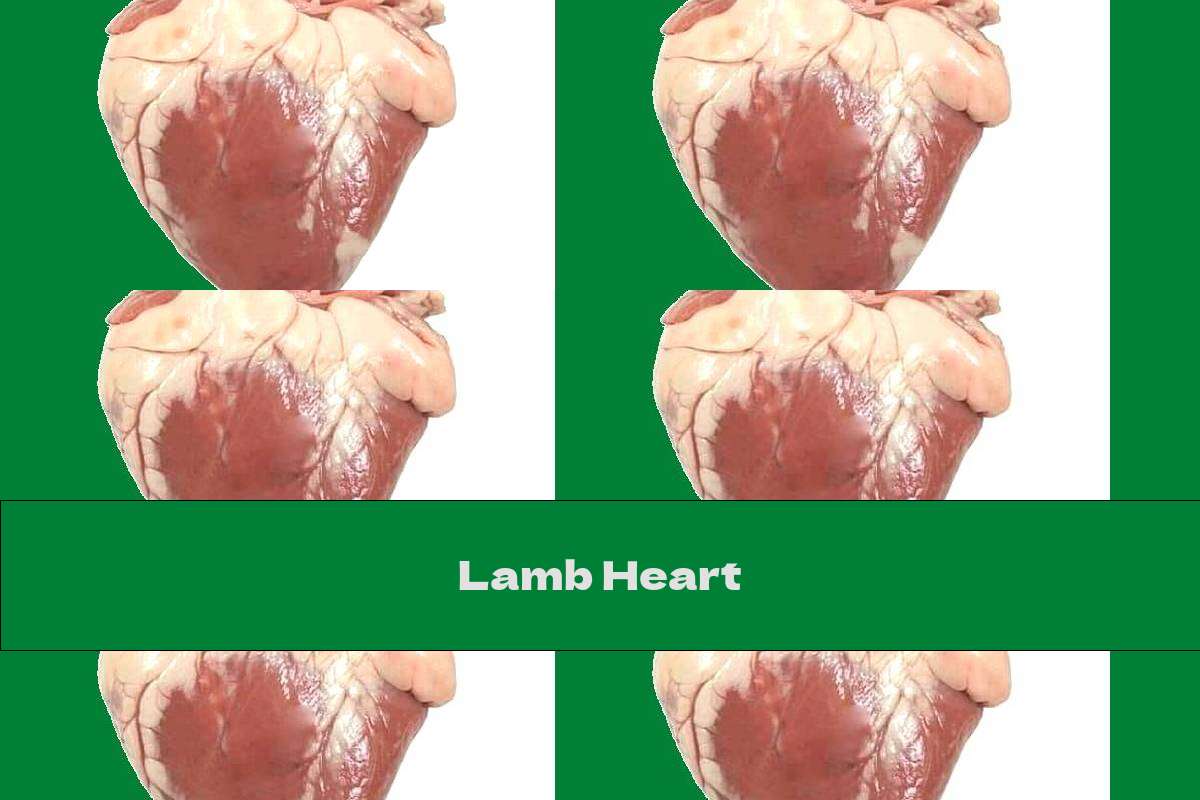
Lamb Heart
 Author: Mark Velov
Time for reading: ~1
minutes
Last Updated:
August 08, 2022
Author: Mark Velov
Time for reading: ~1
minutes
Last Updated:
August 08, 2022
CHAPTERS (Table Of Contents)
The lamb heart contains the following: - vitamins: B1 (thiamine): 0.3 mg (10-20%), B12 (cobalamin): 10.25 mcg (205-512.5%), B2 (riboflavin): 0.7 mg (14-35%) ), B5 (pantothenic acid): 2.63 mg (0.
Lamb heart is a popular by-product that is commercially available in chilled or frozen form. The quality product has the smell of fresh meat, there are no stains and deposits on it. The heart of young animals is the most delicious and useful. In terms of valuable properties for the body, it is not inferior to either lamb or pork.
Composition of the lamb heart
The lamb heart contains:
- vitamins: B1 (thiamine): 0.3 mg (10-20%), B12 (cobalamin): 10.25 mcg (205-512.5%), B2 (riboflavin): 0.7 mg (14-35%), B5 (pantothenic acid): 2.63 mg (0.1-0.3%), vitamin B6 (pyridoxine): 0.39 mg (7.8-19.5%), vitamin B9 (folic acid): 2 μg (0.4-1%), vitamin C: 1 mg (0.7-1.3%) ), vitamin PP: 4 mg (8-20%), vitamin PP (niacin equivalent)
- minerals: iron, iodine, potassium, calcium, manganese, magnesium, copper, sodium, selenium, phosphorus, zinc.
Useful properties
The benefits for humans from the consumption of the by-product are due to the concentration of health-important substances in the composition, which we have already listed. Here is what some of the components do:
- Iron, potassium, magnesium - essential elements that are involved in the processes of hematopoiesis, purification of blood vessels and increase hemoglobin. They are needed for prevention against cardiovascular diseases.
- The high nutritional value, low caloric content and zero carbohydrate content make the lamb's heart a recommended product during healing diets and diets for weight loss.
- The chemical composition of the by-product combines a set of useful properties and a high concentration of protein. Lamb heart is recommended for consumption during pregnancy, in case of high cholesterol, in case of muscle insufficiency.
Use in cooking
Lamb offal is traditionally boiled, stewed or fried in vegetable oil. It goes well with cooked cereals and vegetables. Before cooking, it is recommended to soak in water for 2-3 hours to separate the blood.
Related Articles
- Nutritional Benefits of Beef Heart: A Complete Guide
- The Nutritional Benefits of Beefheart: A Complete Guide
- Nutritional Benefits of Ox Heart: A Lean Protein Source
- The Power of Calcium Lactate: Benefits for Bone, Muscle, and Heart Health
- The Health Benefits of Boiled Cod: Nutrients, Heart Health, and Recipes
Top Nutrition Articles Today
- . The Power of Mushrooms: Nutritional Benefits and Delicious R...
- . Lychee - A Small Fruit, But Useful And Tasty
- . Which Oil Is More Useful: Olive Or Coconut
- . How To Cook Tacos With Fish Halibut And Vegetables - Recipe
- . How To Deal With Cancer Overweight
- . The Health Benefits of Potato Chips: How to Enjoy Them in a...
- . The Importance of Supplements in a Healthy Diet - A Comprehe...
- . Simple Diet Plan
- . How To Cook Stewed Cabbage With Beans, Mushrooms And Prunes...
- . Carbs to Sugar Conversion Chart: Monitoring Carb and Sugar I...