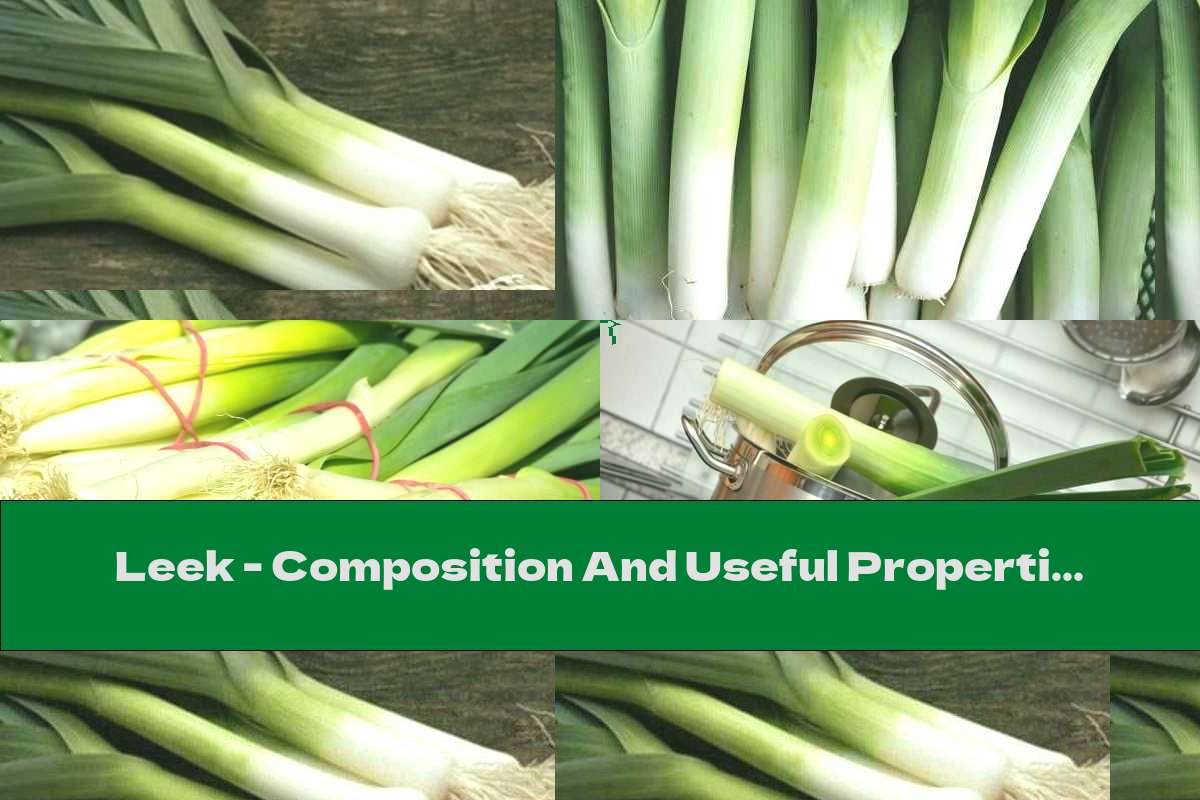
Leek - Composition And Useful Properties
 Author: Leticia Celentano
Time for reading: ~4
minutes
Last Updated:
August 08, 2022
Author: Leticia Celentano
Time for reading: ~4
minutes
Last Updated:
August 08, 2022
CHAPTERS (Table Of Contents)
Leek consists mainly of water. It is low in calories and quickly satisfies hunger. Rich source of vitamins and minerals.
Leek is a green bulbous plant (allium) from the onion, shallot and garlic family. A type of onion that is 90% water. It contains carbohydrates, proteins, as well as sugar, starch, organic acids and dietary fiber. It is rich in vitamins C, E, B1, B2, PP and carotene, and the minerals present are potassium, calcium, magnesium, manganese, iron, nickel, phosphorus and sodium. Despite its low energy value, it quickly satisfies hunger. Leek looks like a big green onion, but it has a much softer, somewhat sweet taste and a creamy texture after cooking.
This vegetable is a rich source of nutrients and beneficial compounds that improve digestion, help lose weight, reduce inflammation and fight heart disease and cancer. For these and many more health benefits of eating leeks, read the full article.
Health benefits
1. Rich source of nutrientsLeek is a vegetable with high nutrient density - it contains few calories and is rich in vitamins and minerals. In a serving of 100 grams of cooked leeks there are only 31 calories.
Vegetables are a particularly rich source of provitamin A carotenoids, including beta carotene. The body converts carotenoids into vitamin A, which is important for vision, immune function, reproduction and the connection between cells.
It is also a good source of vitamin K1, which is needed for blood clotting and heart health.
Meanwhile, wild leeks are especially rich in vitamin C, which supports the immune system, tissue repair, iron absorption and collagen production. Leek contains about 2 times more vitamin C than the same amount of oranges.
Leek is also a good source of manganese, which can help reduce the symptoms of premenstrual syndrome (PMS) and promote thyroid health. Moreover, vegetables provide small amounts of honey, vitamin B6, iron and folate.
2. Loaded with useful plant compounds
Leek is a rich source of antioxidants, especially polyphenols and sulfur compounds. Antioxidants fight oxidation in the body, which damages cells and contributes to diseases such as diabetes, cancer and heart disease.
Vegetables are especially rich in kaempferol, a polyphenolic antioxidant that is thought to protect against heart disease and some cancers. Leek is a great source of allicin, the same beneficial sulfur compound that gives garlic its antimicrobial, cholesterol-lowering and potential anti-cancer properties.
Wild leeks are rich in thiosulfates, a sulfur compound needed for blood clotting and is also thought to protect against some cancers.
3. It can reduce inflammation and promote heart healthSeveral studies have linked bulbous plants (alliums) with a lower risk of heart disease and stroke.
This vegetable contains several beneficial compounds that are believed to reduce inflammation and keep the heart healthy. For example, kaempferol in leeks has anti-inflammatory properties. Foods rich in this compound are associated with a lower risk of heart attacks or death due to heart disease. In addition, leeks are a good source of allicin and other thiosulfates - sulfur compounds that can benefit heart health by lowering cholesterol, blood pressure and blood clots.
4. Helps to lose weightLike most vegetables, leeks are also suitable for weight loss. It has only 31 calories per 100 grams of cooked product. It is also a very good source of water and fiber, which can prevent hunger, stimulate the feeling of fullness and help to eat less food. It also provides soluble fiber that forms a gel in the gut, making them particularly effective in reducing hunger and appetite.
Numerous studies have linked vegetable-rich diets to losing weight or maintaining a healthy weight. Adding leeks or leeks to your diet will increase your overall vegetable intake, which will help maintain a normal weight.
5. Protects against some cancers
Leek is especially rich in compounds that fight cancer. For example, kaempferol in vegetables is associated with a lower risk of chronic diseases, especially cancer. The sulfur compound allicin, which is also found in leeks, has similar anti-cancer properties.
Studies show that regular consumption of bulbs, including leeks, can reduce the risk of developing stomach cancer by up to 46%.
6. Improves digestionThis is partly because leeks are a source of soluble fiber, including prebiotics, which keep the gut healthy. These bacteria produce short-chain fatty acids such as acetate, propionate and butyrate, which can reduce inflammation and strengthen gut health. Studies show that a diet rich in prebiotics can help the body absorb important nutrients and in turn improve overall health.
7. Other benefitsSulfur compounds in bulbs effectively lower blood sugar levels. The same sulfur compounds can protect the brain from age-related diseases and mental decline by promoting brain activity.
Fights infections. Kaempferol in leeks protects against bacteria, viral and yeast infections.
Leek has a diuretic effect, which is associated with the presence of potassium salts in the composition. The plant improves the activity of the liver and bile, increases appetite. Recommended for rheumatism, atherosclerosis, fatigue, metabolic disorders, obesity, gout, kidney stones.
The healing properties of this type of onion have been known since the distant past, when the product was recommended for use by people suffering from gout, rheumatism, scurvy, kidney stones, obesity, mental and physical overload.
Leek is a good blood purifier, it is also useful for the respiratory system, it is used for medicinal purposes in acute diseases of the nasopharynx.
Clinical studies show that leeks increase the secretory function of the gland of the digestive tract, improve liver function, increase appetite, have antisclerotic properties.
Use in cooking
All varieties of vegetables have a characteristic subtle, delicate and delicate taste. The plant is used to make pies, vegetable and meat casserole, soups, sauces, stews, salads, stewed in cream and butter in combination with other vegetables. Used in raw, dried, fresh-frozen, canned, cooked, stewed, baked and marinated form. It can be served as a standalone dish or as a side dish.
Contraindications
Leek is contraindicated in inflammatory diseases of the stomach and duodenum.
- Onion juice
- Benefits and harms of red onions
- Old onion (onion) - composition and useful properties
- Green onions (feather) - composition and health benefits
Related Articles
- The Role of Sodium Methyl Para-Hydroxybenzoate in Nutrition: Preservative Properties & Health Concerns
- The Role of Functional Properties in Muffins: Nutrition, Diets, and Recipes
- The Functional Properties of Muffins in Nutrition: A Comprehensive Guide
- Nutritional Benefits of Functional Properties in Muffins: A Comprehensive Guide
- Functional Properties of Muffins in Nutrition: A Complete Guide