Meningitis
 Author: Maryam Ayres
Time for reading: ~1
minutes
Last Updated:
August 08, 2022
Author: Maryam Ayres
Time for reading: ~1
minutes
Last Updated:
August 08, 2022
CHAPTERS (Table Of Contents)
In the presence of meningitis, feeding should be at least 6 times a day and in small portions (up to 400 grams per intake).
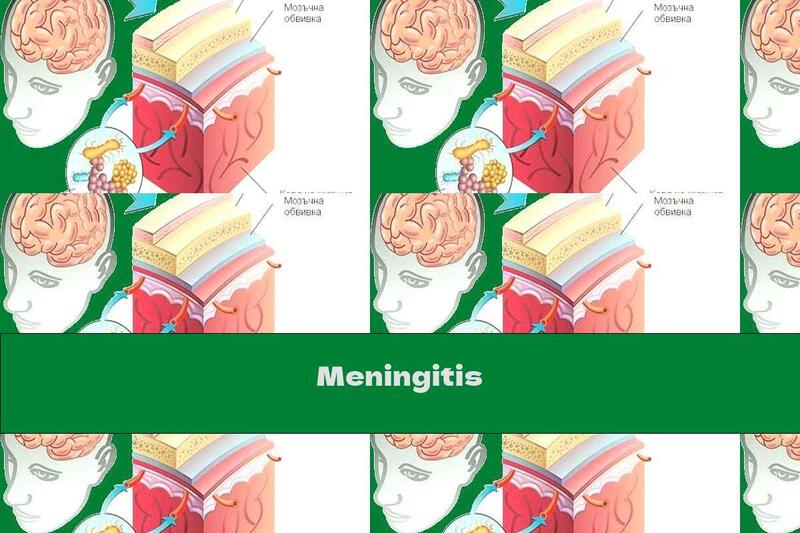
Meningitis is an inflammation of the lining of the spinal cord and brain that is caused by a bacterial or viral infection. The risk group includes children, adolescents and the elderly.
In the presence of such a health problem, the diet should be at least 6 times a day and in small portions (up to 400 grams per intake).
The purpose of the diet is:
- to eliminate the intoxication of the body, which is the result of toxins that cause the disease and the breakdown products of proteins;
- to maintain the metabolism of water-salt, protein and vitamin balance in the body. Easily digestible products and foods should be included in the menu.
Depending on the stage of the disease and the complexity of its course, different therapeutic diets are applied.
The products allowed for consumption are:
- lean meat, steamed or mashed (beef, rabbit, turkey, boiled tongue, lean ham, liver pate and meat);
- boiled fish or steamed fish dishes;
- rohki eggs, omelette for steam or soufflé;
- dairy products (sour milk products, cottage cheese, kefir, non-sour cream in dishes, soft grated cheese);
- easily digestible milk fats (cream, butter, sour cream);
- products with coarse cellulose (grated fruits and vegetables);
- fluids (up to 2.5 liters per day) - contribute to improving metabolism and the removal of toxins from the body. You can drink weak tea with milk and lemon, a decoction of wheat bran or rose hips, compotes, table mineral water;
- no broth;
- natural sweet and sour fruit juices diluted with water;
- dried wheat bread, biscuits, rusks, non-fat dough products;
- very well boiled porridge, boiled noodles and noodles, baked puddings, meatballs from cereals;
Harmful foods for meningitis
Limit consumption to:- animal fats that can lead to metabolic acidosis (pork, goose, duck), smoked products, canned food;
- easily digestible carbohydrates (sweet drinks, jelly, honey, jam, etc.), which are able to cause fermentation processes in the intestine, allergic reactions and inflammation;
- table salt (up to 10 grams per day), except in cases of diarrhea, vomiting and heavy sweating.
- fresh wheat bread, butter and puff pastry, pancakes, coarse rye bread;
- fatty fish, also salted, smoked, dried, canned;
- whole milk and ice cream;
- buckwheat, barley porridge, legumes;
- coarse fiber vegetables (cucumbers, turnips, radishes, peppers);
- marinated mushrooms;
- hard fruits and berries with hard seeds (red currants, raspberries, gooseberries, dates, figs);
- spicy and greasy sauces, pepper, mustard, horseradish.
Top Nutrition Articles Today
- . Health Benefits And Harms Of Cocoa, How To Drink, Recipes
- . Steak Label
- . The Nutritional Benefits of Yellow Maize: A Versatile Grain...
- . Nutrition By Blood Type: Table Of Allowed And Prohibited Foo...
- . Herbs for Fibroids: Natural Remedies and Recipes for Fibroid...
- . List of Foods that Contain Carrageenan: A Guide to Avoiding...
- . Subway Footlong Calories Chicken
- . Nutrition For Edema: Diagnosis Of The Body And The Preparati...
- . The Ultimate Guide to Hickory Smoked Bacon in Nutrition and...
- . Persimmons - Benefits And Harms To Health