Nettle - Composition, Useful Properties And Side Effects
 Author: Nia Rouseberg
Time for reading: ~4
minutes
Last Updated:
August 08, 2022
Author: Nia Rouseberg
Time for reading: ~4
minutes
Last Updated:
August 08, 2022
CHAPTERS (Table Of Contents)
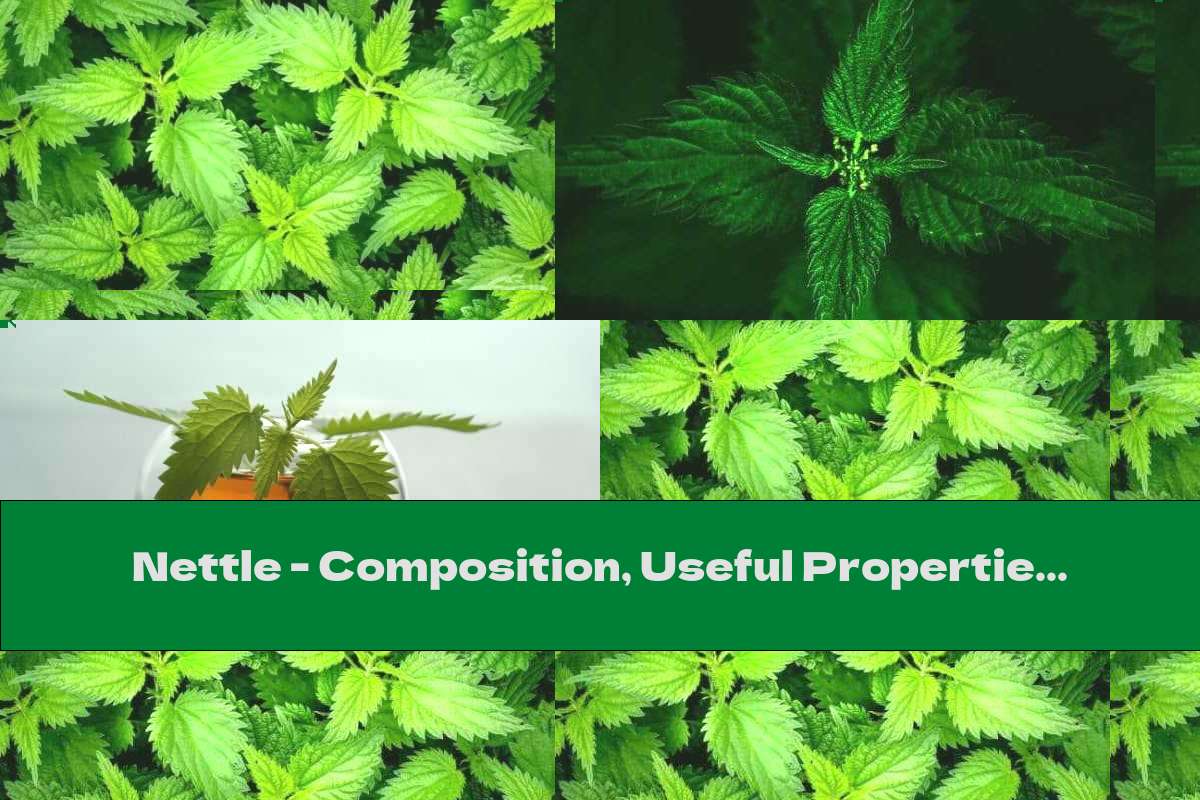
Nettle is an extremely useful plant for the body, it has a number of healing properties. It is used as a diuretic, tonic, laxative, expectorant, anticonvulsant, wound healing agent.
The ancient Egyptians used nettle to treat arthritis and lower back pain, while Roman troops rubbed it on themselves to keep their bodies warm.
The leaves of the plant can cause a temporary burning sensation on contact. There are hairs on them, which when touched cause itching, redness and swelling of the skin.
Once the nettle has been treated as an additive or its leaves have been dried, frozen or cooked, it can be safely consumed. The plant is associated with many health benefits.
Nutritional value of nettle
Nettle leaves and roots provide a wide variety of nutrients, including:
- Vitamins - A, B1, B2, B3, B5, B6, B9, C, E, K, H, B4;
- Minerals - calcium, iron, magnesium, phosphorus, potassium, chlorine and sodium;
- Fats - linoleic acid, linolenic acid, palmitic acid, stearic and oleic acid;
- Amino acids - all essential;
- Polyphenols - kaempferol, quercetin, caffeic acid, coumarins and other flavonoids;
- Pigments - beta-carotene, lutein, luteoxanthin and other carotenoids.
-
Trace elements: iron, manganese, copper, selenium, zinc
Moreover, many of these nutrients act as antioxidants in the human body. Antioxidants are molecules that protect cells from free radical damage. Damage caused by free radicals is linked to aging, cancer and other diseases.
Useful properties of nettle
Nettle is an extremely useful plant for the body, it has a number of healing properties. It is used as a diuretic, tonic, laxative, expectorant, anticonvulsant, wound healing agent and as a source of vitamins.
In folk medicine it is used for various types of bleeding, hemorrhoids, kidney and gallstones, shortness of breath, liver and bile duct diseases, edema, constipation, heart disease, tuberculosis, bronchial asthma, bronchitis, allergies. Externally, the plant is used to heal open wounds, to stop bleeding, to treat skin diseases, to heal and grow hair.
Nettle is a kind of natural concentrate of vitamins. Ascorbic acid in it is twice as much as in lemons and blackcurrants; the carotene content is higher than that of sea buckthorn, carrot and sorrel; 20 leaves of the plant are enough to get the necessary daily amount of vitamin A for the body. In addition, the product is rich in vitamins K, E and B and trace elements: iron, magnesium, copper, calcium and others. The leaves contain flavonoids, tannins, tannins, phytoncides, organic acids, chlorophyll, glycosides and others. This rich set of biologically active elements explains the wide range of general strengthening and therapeutic and prophylactic properties of nettle.It helps to restore vital organs and the normal functioning of the body as a whole. It contains silicon and organic acids, which are the reason why this plant increases the body's resistance to many bacteria, toxins, harmful radiation effects, strengthens the immune system, provides a high degree of protection of the body against oxygen deficiency. Improving the course of all energy processes, it stimulates carbohydrate and protein metabolism, so it is often recommended in chronic diseases, when the body's resistance drops significantly.
Vitamin K gives the plant strong hemostatic properties, increases blood clotting and has anti-inflammatory effects. The leaves contain chlorophyll in pure form, which has a strong tonic and stimulating effect: increases the tone of the stomach, uterus, cardiovascular system, respiratory area, stimulates granulation and epithelialization of damaged tissue, which is due to the wound-healing properties of nettle.
The plant contains secretin, which normalizes metabolism, activates the formation of insulin and thus reduces the amount of sugar in the blood, and this is necessary for people suffering from diabetes.
It is also widely used in cosmetics: against dandruff, hair loss; to strengthen and grow hair.
How is nettle consumed?
Nettle is easily added to the diet. It can be purchased from many health food stores, but can also be grown at home. Dried or frozen leaves, capsules, tinctures and creams are available. Herbal creams are often used to relieve the symptoms of osteoarthritis.
Dried leaves and flowers can be soaked to make herbal tea, while nettle leaves, stems and roots can be cooked and added to soups, stews, smoothies and fries. Eating fresh leaves should be avoided as they can cause irritation.
Contraindications to nettle
Consumption of dried or cooked nettles is generally safe. It is unlikely to cause side effects in some people. However, care must be taken with the fresh leaves of the plant, as they can damage the skin. The small hot hairs on the leaves can inject an array of chemicals, such as acetylcholine, histamine, serotonin, leukotrienes, formic acid. These compounds can cause rashes, swelling, hives and itching.
In rare cases, some people may experience a severe allergic reaction that can be life-threatening.
These chemicals are reduced when processing the leaves, which means that when eating dried or cooked nettle there is no risk of irritation in the mouth or stomach.
Pregnant women should avoid consuming the green plant because it can cause uterine contractions and increase the risk of miscarriage. It is also contraindicated for people suffering from thrombophlebitis.
If you are taking medicines for blood thinning, blood pressure, diabetes or diuretics and lithium, be sure to consult a doctor before consuming nettles. The plant can interact with these drugs. For example, the potential diuretic effect of nettle may increase the effects of diuretics and increase the risk of dehydration.
Related Articles
- The Role of Sodium Methyl Para-Hydroxybenzoate in Nutrition: Preservative Properties & Health Concerns
- The Ultimate Guide to High Gluten Foods: Effects, Benefits, and Recipes
- The Role of Functional Properties in Muffins: Nutrition, Diets, and Recipes
- The Functional Properties of Muffins in Nutrition: A Comprehensive Guide
- The Role of E400 in Nutrition: Benefits, Recipes, and Health Considerations
Top Nutrition Articles Today
- . Breakfast Pizza
- . Night Nutrition: Importance, Benefits, and Best Foods to Eat
- . The Ultimate Guide to Metataric Acid in Nutrition: Sources,...
- . Calories In A Piece Of Bread
- . Health Benefits Of Vitamin C
- . Sushi For Beginners. How Easy It Is To Spin Sushi Rolls
- . How To Cook Spicy Green Tea With Turmeric, Lemon Juice And G...
- . The Essential Guide to Nutrients in Nutrition: Importance an...
- . When Is It Better To Eat Fruit?
- . How To Cook Mini Sandwiches With Cherry Filling - Recipe