Now Is The Time To Work On Immunity
 Author: Dean Rouseberg
Time for reading: ~3
minutes
Last Updated:
August 08, 2022
Author: Dean Rouseberg
Time for reading: ~3
minutes
Last Updated:
August 08, 2022
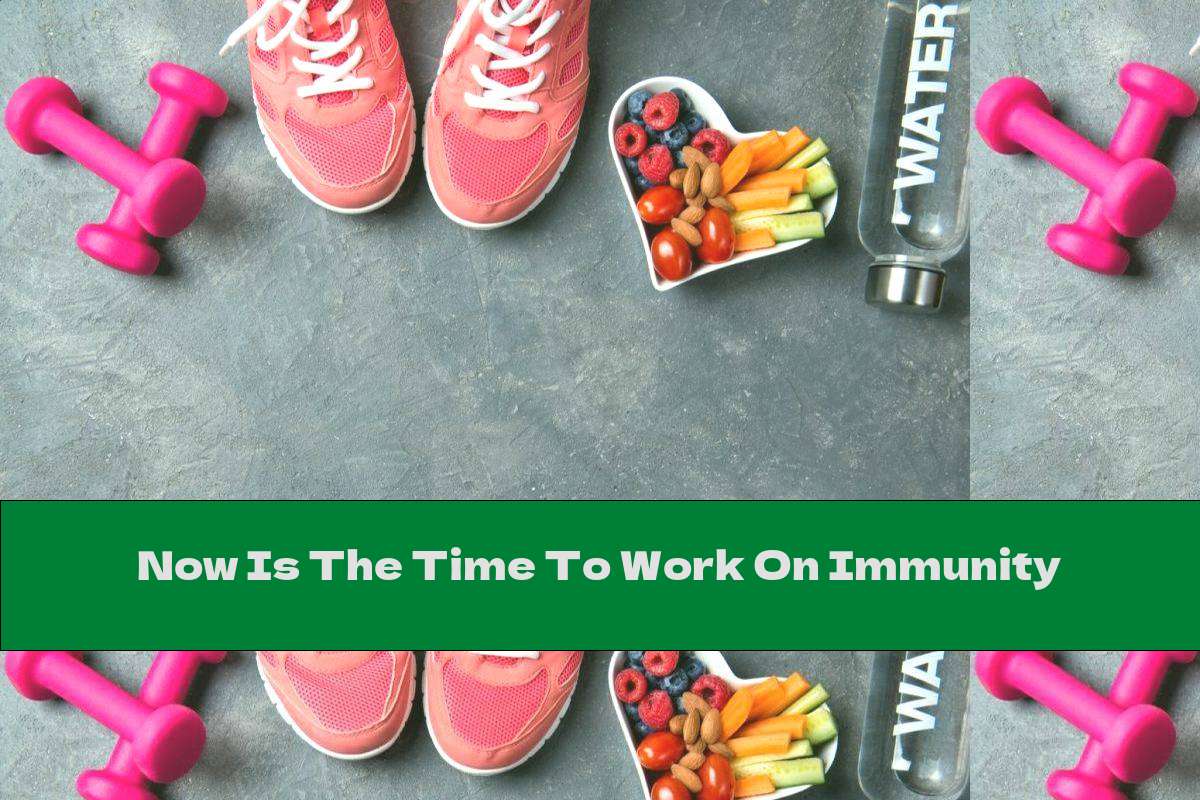
Whether or not there will be a second wave of COVID-19 in the autumn-winter period, now is the time to work on good immunity
The development of the epidemic with the new coronavirus is still a cause for concern. Some process researchers predict a severe increase in patients during the autumn-winter period, while others predict complex moments when COVID-19 "stands" side by side with the seasonal flu and the period-specific respiratory viruses. Whatever happens, there is no better time than summer to work on good immunity.
Sleep
As unexpected as it is, sleep comes first. It is important for immunity. In particular, the stages of slow sleep are associated with increased function of T-lymphocytes, which help fight any infection: bacteria, fungi, viruses. Lack of melatonin is thought to worsen the course of many viral infections, and some experts have linked the severe course of viral illness in the elderly to the fact that melatonin levels decrease with age.
With prolonged lack of sleep, immune cells begin to produce worse protective cytokines. In addition, the formation of antibodies to infectious pathogens is slowed down.
Therefore, for strong immunity we need to sleep as much as a person needs according to his individual norm. The need for sleep is determined genetically and can vary from 4 to 12 hours in different people. On average, to feel good, an adult should sleep 7-8 hours.
Contrary to popular belief, bedtime is not so important. It is believed that the "most useful" sleep is from 22 hours to midnight, because at this time, the body produces the maximum amount of sleep hormone melatonin.
But scientists say that's not entirely true. Each person has their own peaks in melatonin production and this depends on the individual's need for sleep (sleep duration) and chronotype ("owl", "lark", intermediate type). Therefore, we must choose the time to go to bed, focusing on our biorhythms.
Nutrition
In the summer heat, many people give up animal products and temporarily become vegetarians. This year, however, this is not desirable to happen. Many protective factors of immunity have a peptide (protein) nature, therefore, on our table should be dairy products, lean meat, poultry, sea fish.
Summer is also a great time to replenish the body's reserves of vitamins. Fresh vegetables and fruits are now everywhere, and they remain a major supplier of micronutrients, catalysts for important processes in the immune system. The role of vitamins E, A, zinc, iron and others in strengthening immunity has been proven. As for vitamin C (ascorbic acid), which has recently been debated for its benefits, most researchers tend to argue that vitamin C is necessary for the stable functioning of the immune system. And as for the harm of high doses - any drug can become a poison if not properly dosed.
The good news is that it is impossible to overdo it with ascorbic acid if we eat fresh vegetables and fruits such as blackcurrants, strawberries, cherries, green onions.
Vitamin D
Vitamin D, which is produced in the body under the action of sunlight, is extremely important for strong immunity. But maintaining its norm throughout the year is extremely difficult. Outside the warm season almost all people have more or less pronounced deficiency of vitamin D . Fortunately, in any pharmacy you can find an aqueous solution of vitamin D, which is easier to absorb and does not depend on food intake. However, it is best to get the sun vitamin naturally.
Motion
We all know that moderate physical activity helps maintain immunity. However, excessive stress can also undermine the body's defenses. Every sport is a kind of stress for the body. Therefore, light loads, at a moderate pace, are a good option as prevention.
The more advanced know very well that the types of exercises - cardio and strength training, are equally useful for immunity. They have different biochemical tasks, but both types must be present in daily training.
Related Articles
- Nighttime Nutrition: Importance, Bedtime Snacks, Effects, and Tips
- The Ultimate Guide to Nutrition Conferences: Importance, Networking, and Trends
- The Health Benefits of Kissing: Boost Immunity, Reduce Stress, Burn Calories
- Boost Your Immunity with Nutrition: Key Nutrients, Foods, Recipes & Supplements
- The Health Benefits of Kissing: Boost Immunity, Reduce Stress, Burn Calories