Nutrition In Cirrhosis
 Author: Leticia Celentano
Time for reading: ~2
minutes
Last Updated:
August 08, 2022
Author: Leticia Celentano
Time for reading: ~2
minutes
Last Updated:
August 08, 2022
CHAPTERS (Table Of Contents)
In this article, learn more about Nutrition In Cirrhosis. Nutrition in cirrhosis.
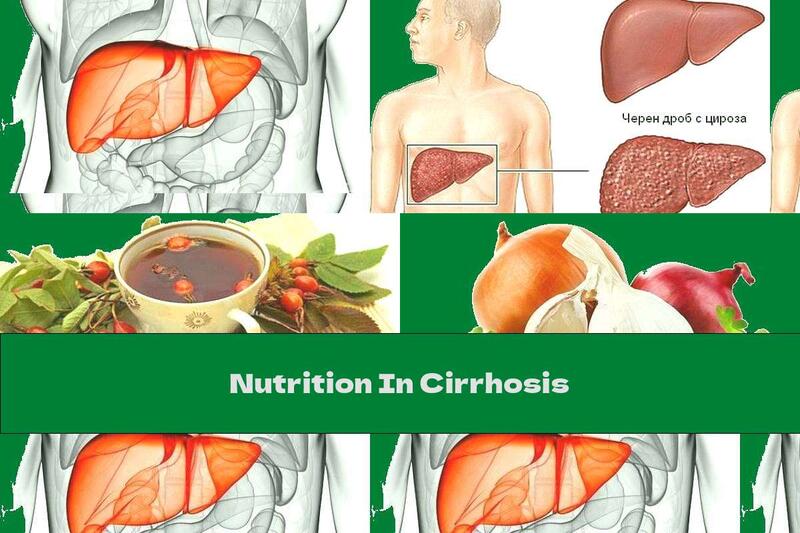
Cirrhosis is a severe stage of liver disease in which the tissues of the organ are replaced by fibrous formations. After the death of hepatocytes (liver cells), the liver gradually stops performing its functions.
The disease most often occurs after the age of 30, mainly in men.
The reasons :
- chronic alcoholism;
- diabetes;
- problems with the cardiovascular system;
- impaired metabolism;
- and other.
The symptoms depend on the stage of cirrhosis :
- asthenic syndrome;
- yellowing of the skin;
- redness of the palms of the hands;
- itchy skin;
- fever and nausea;
- rapid satiety with small amounts of food and rapid weight loss;
- susceptibility to colds;
- enlarged liver, rough and uneven surface of the organ.
Useful foods for cirrhosis
- When choosing a suitable diet it is necessary to take into account the type of cirrhosis and the capacity of the liver.
- In decompensated cirrhosis, higher protein intake is recommended. It is good that the fat per day does not exceed 85 grams, half of which should be dairy and the other half - vegetable.
- Bakery products should be the most varied, but dried. It is good to make them from high quality flour. The pastries should not be made of butter dough. You can eat pasta stuffed with boiled fish or meat, with cottage cheese and apples.
- Of the soups, vegetables and cereals, also dairy with pasta and fruit, vegetarian options are preferable. It is important that the vegetables are not fried, but only boiled.
- The most suitable sauces for garnishes are dairy and cream.
- Dill, parsley and vanilla are allowed to use, they will give the dishes not only flavor, but also make them more useful.
- The meat should be lean, without tendons and skins. Suitable: turkey, young lamb without fat, beef , chicken, rabbit. All of them, as well as fish, sarma and meatballs, are steamed.
- Eggs should be boiled or omelets should be made from them, but no more than one yolk should be eaten per day.
- Suitable side dishes and salads are vegetables and peas. They can be served raw or cooked. The sauerkraut should not be sour and the onion should be boiled. Season salads with vegetable fats.
- Dairy and sour milk products should not be sour and should be low in fat. Skim cottage cheese and various soft cheeses, as well as puddings from them, are also among the dishes suitable for consumption.
- Porridges prepared with equal parts of milk and water are useful. From cereals it is good to bet on rice, semolina, oatmeal, pasta.
- Of the fruits to prefer non-sour varieties, sweets are the better choice, and they should be eaten raw, dried or crushed with sugar.
- Of the sweets suitable are: honey, kisses, sugar, jam, jams and various jellies.
- Among the drinks useful leaders are: tea (with or without milk), various fruit and vegetable juices, rosehip decoction, compotes, sour.
- As for fats, use refined butter and vegetable oil .
Dangerous and harmful foods in cirrhosis
Exclude from the menu :
- fresh and rye breads;
- butter, puff pastry and fried dough;
- smoked meat and fish products;
- broths: meat, mushroom, fish;
- bacon;
- fatty meats and fish, liver, brain, heart;
- fatty poultry (goose and duck);
- sausages and canned food;
- spicy and salty cheeses;
- high-fat dairy products (for example: liquid and sour cream);
- cooking fat;
- fried and hard-boiled eggs;
- green onions and garlic;
- mustard;
- sorrel, horseradish, spinach, radishes and turnips;
- chocolate, ice cream, cream cakes;
- cold drinks, coffee, cocoa, alcohol.
Avoid the consumption of fruits and vegetables rich in cellulose, as well as sour varieties.
Related Articles
- The Ultimate Guide to Hickory Smoked Bacon in Nutrition and Healthy Eating
- Fruitskewers in Honey Syrup: Nutritional Benefits and Recipes
- The Ultimate Guide to Buffer 500 in Nutrition: Benefits and Usage
- Nutritional Benefits of Fruit Skewers in Honey Syrup: A Delicious and Healthy Recipe
- Nutrition Guide: Fruitskewers in Honey Syrup - Benefits, Recipes, and More